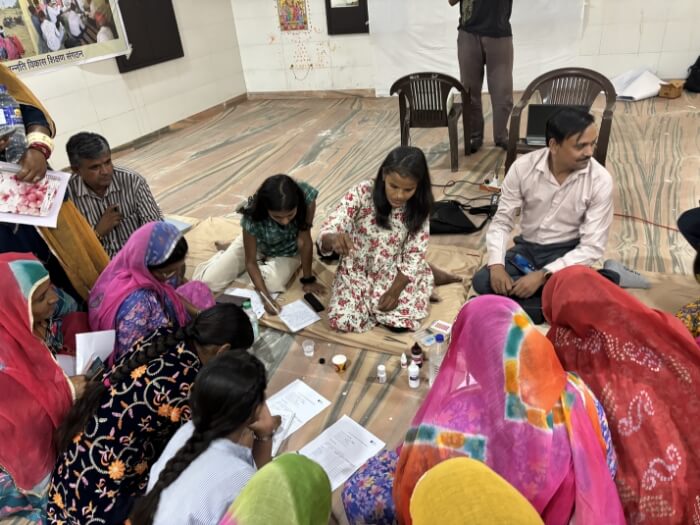
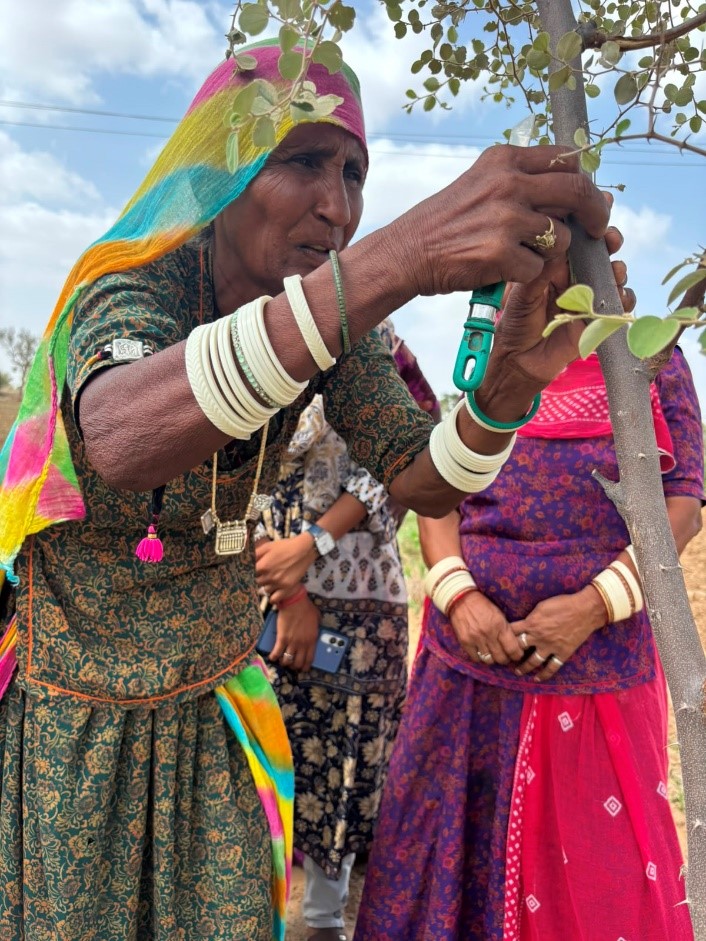
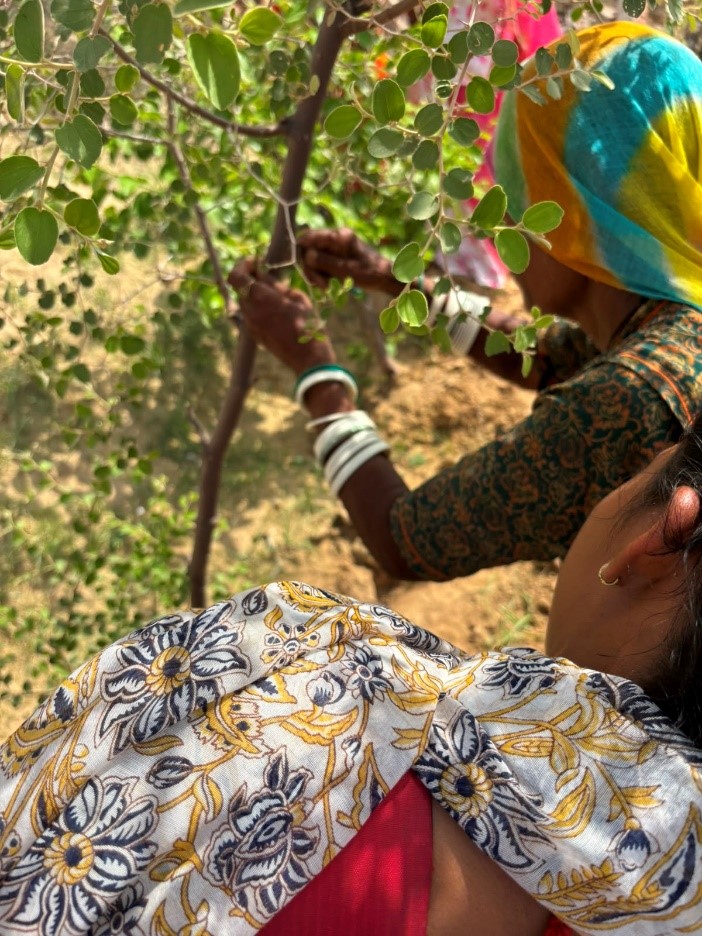
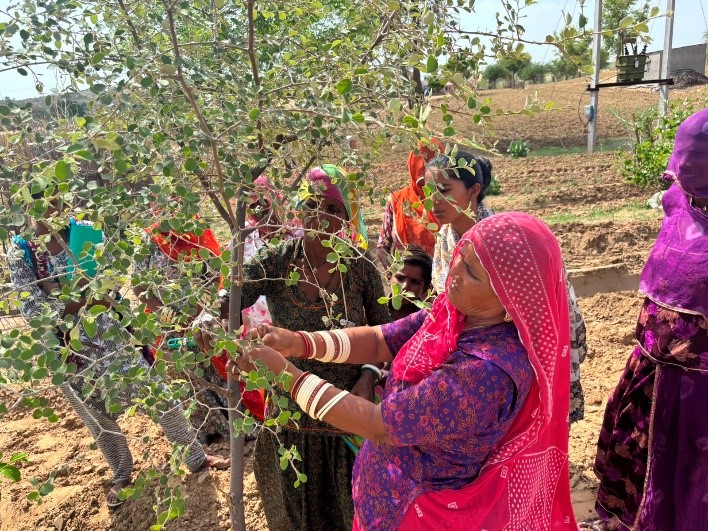
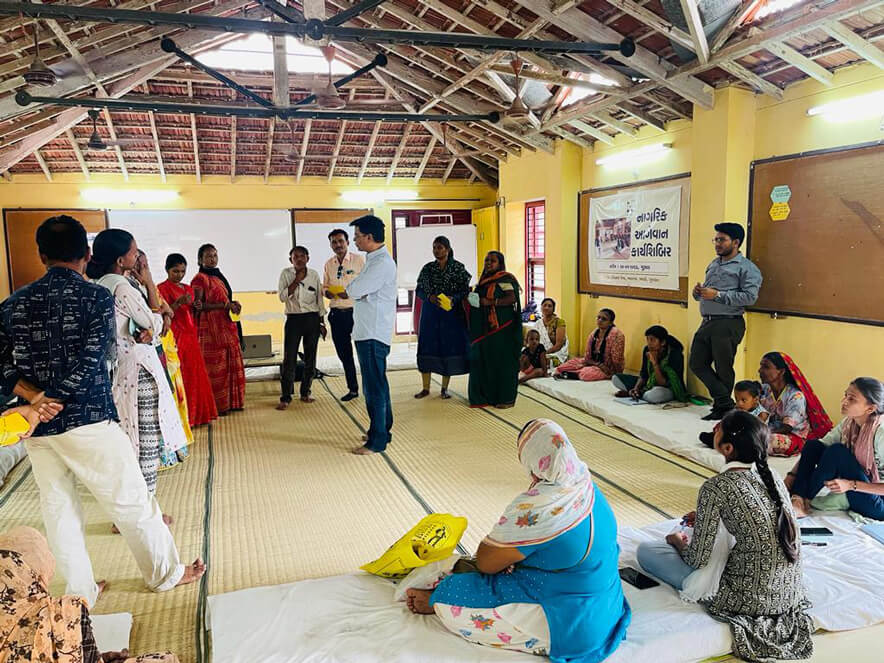
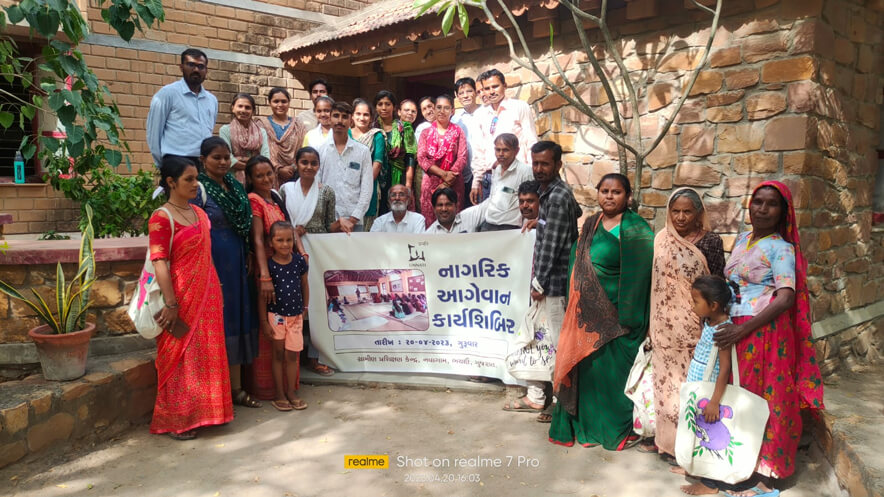
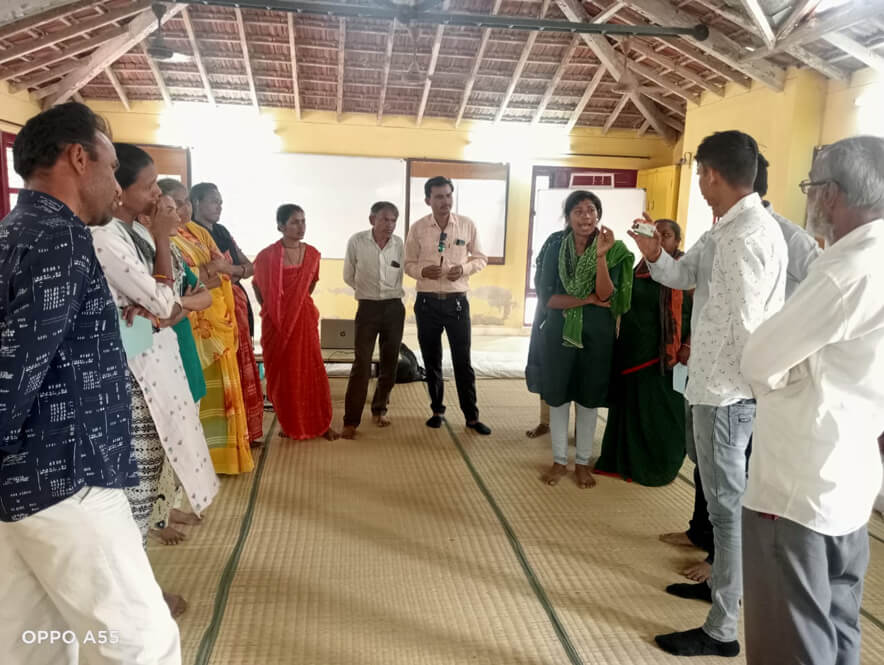
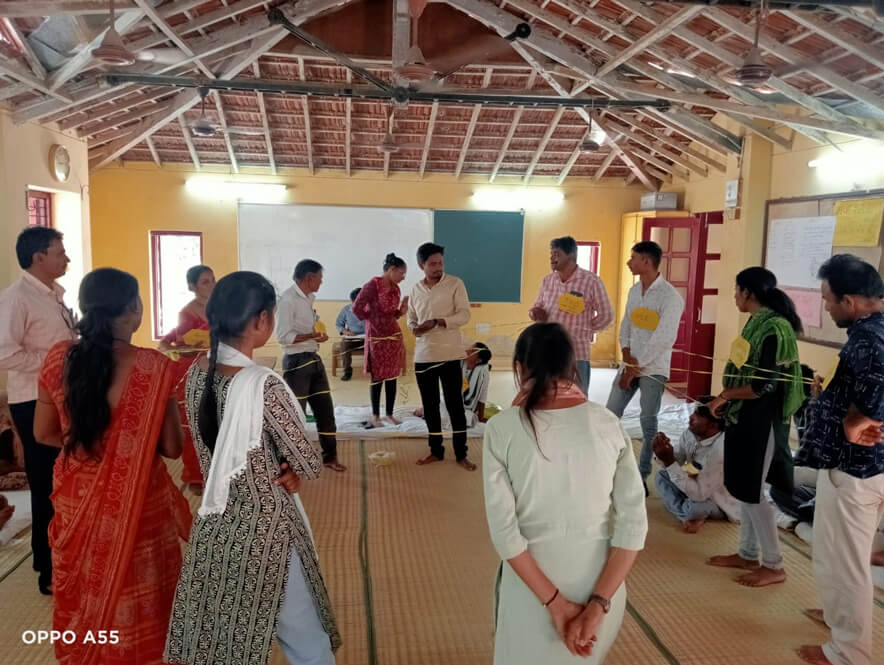
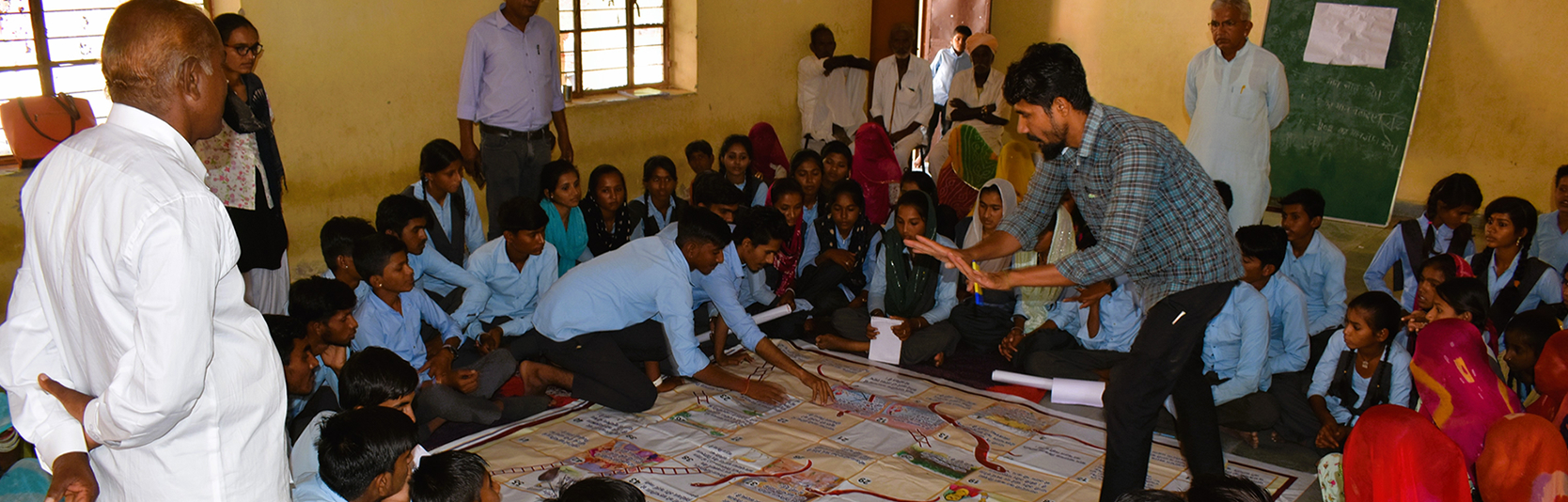
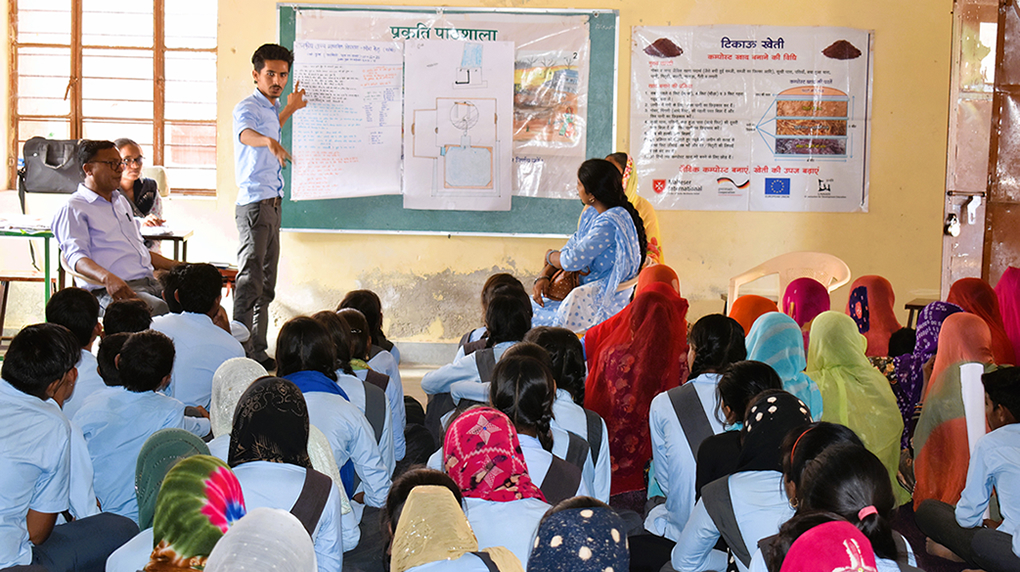
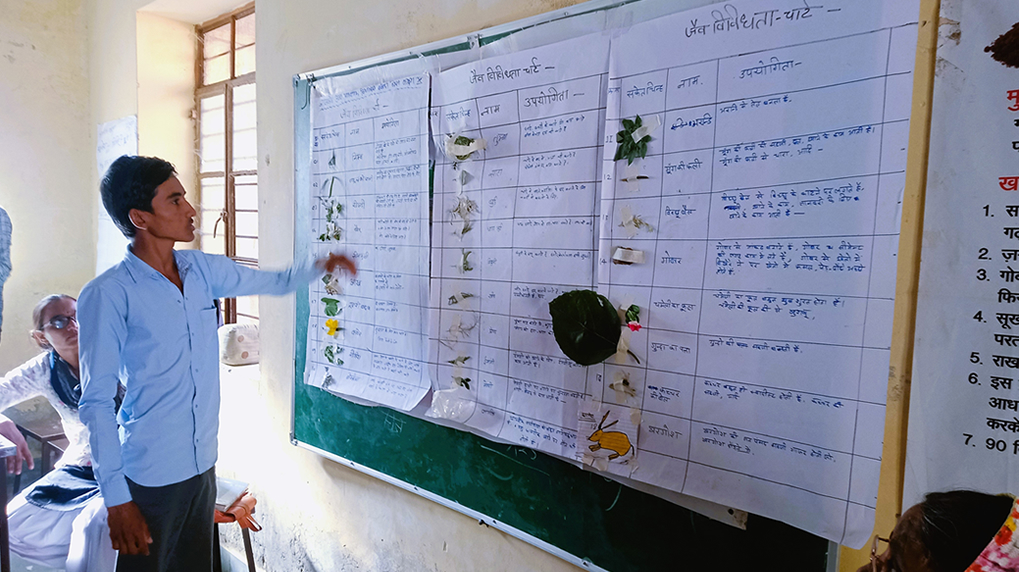
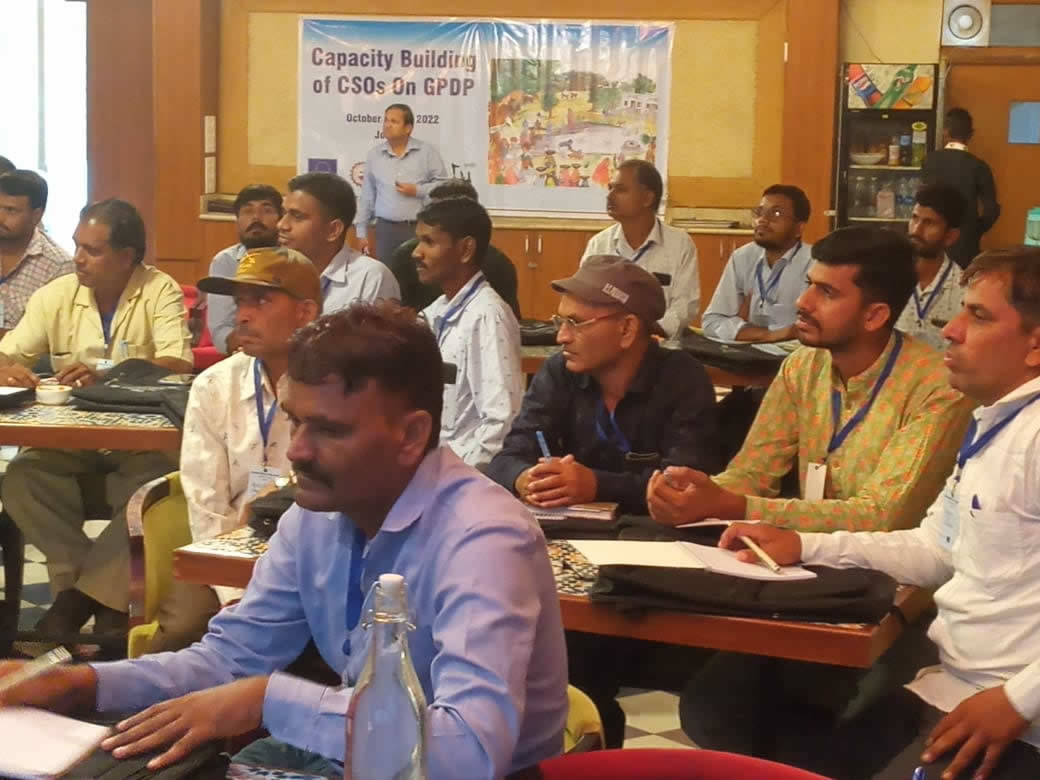
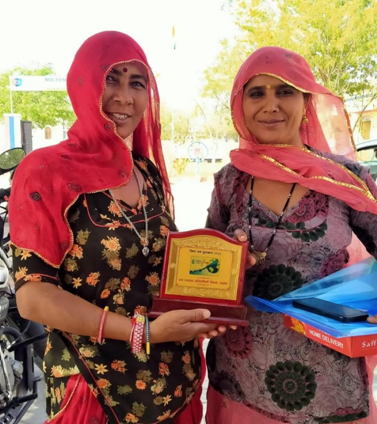
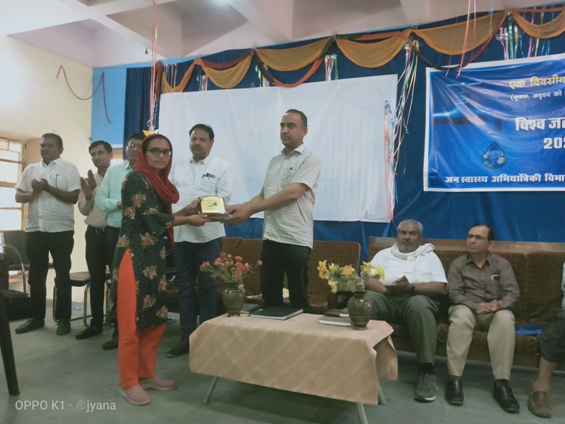
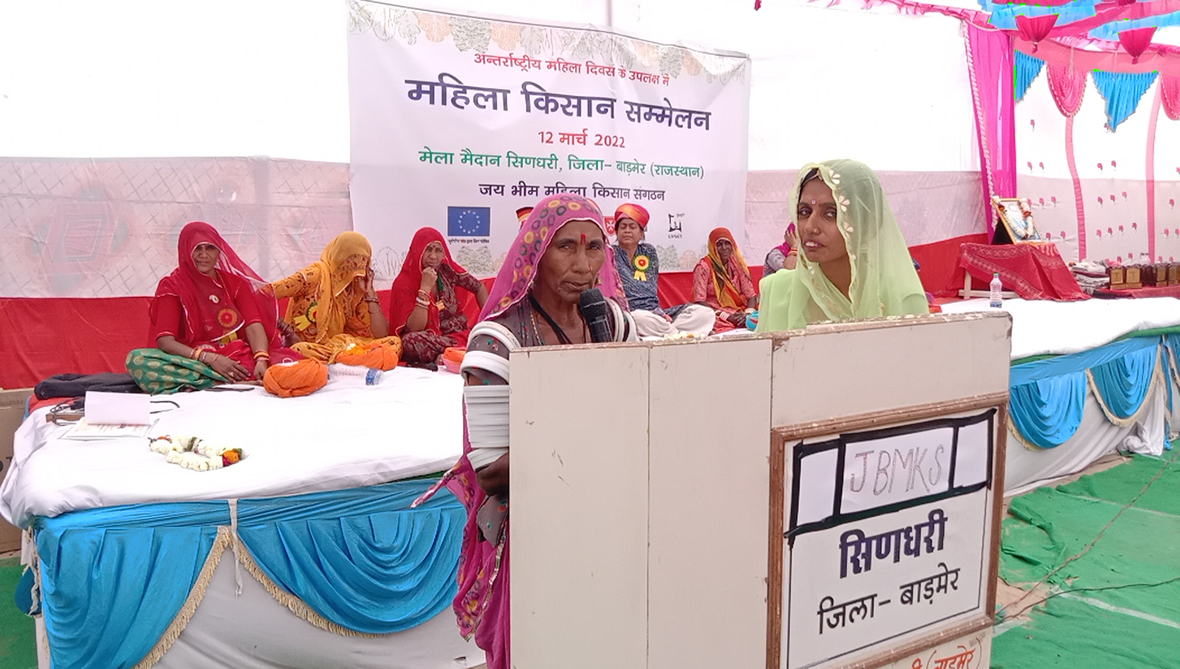
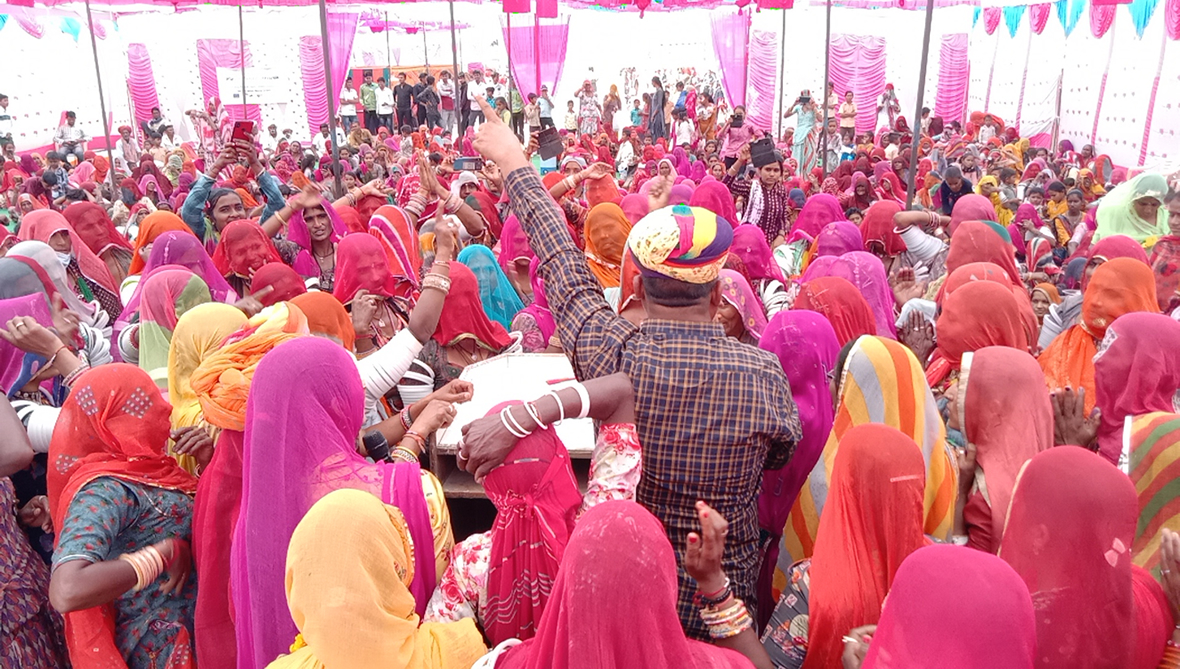
Training of Jal Saheli Members on Water Quality and Water Testing in Sam Block of Jaisalmer
Date: 8–9 October 2026, Jaisalmer
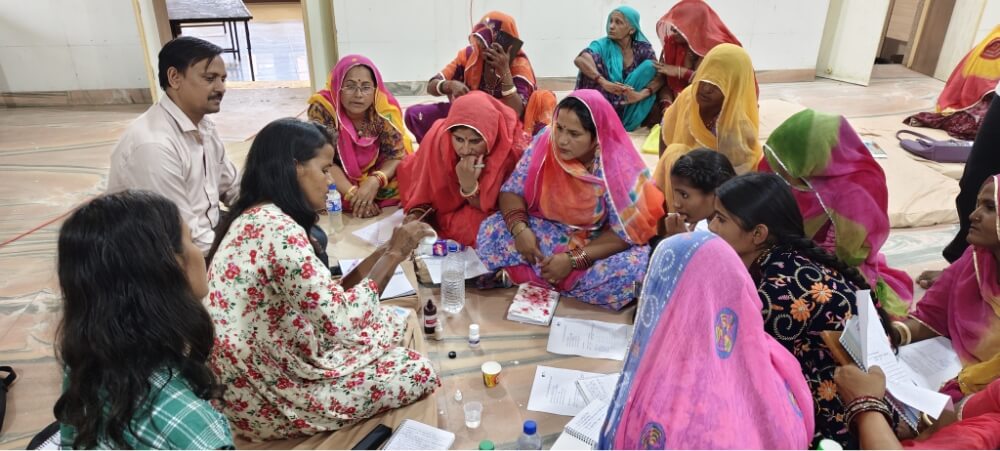
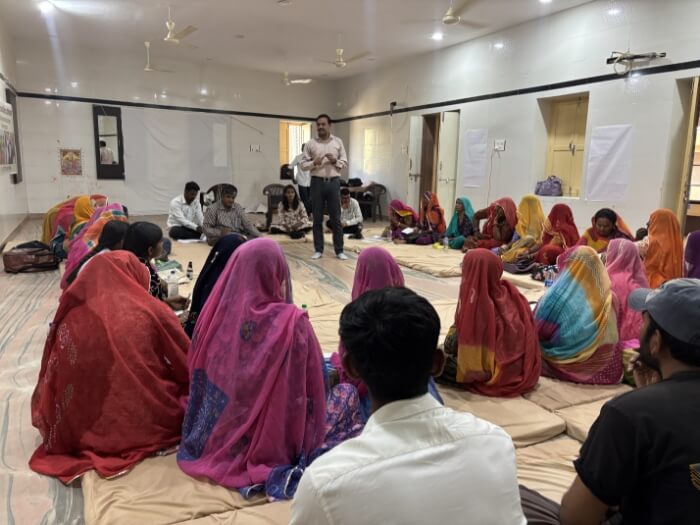
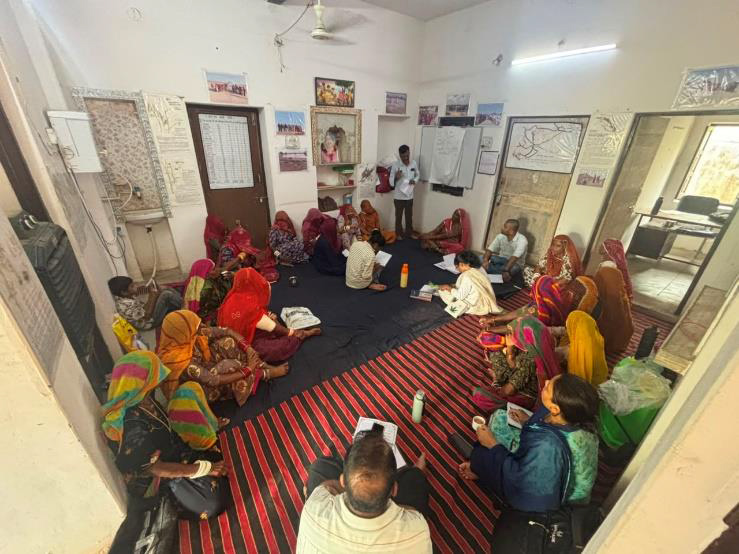
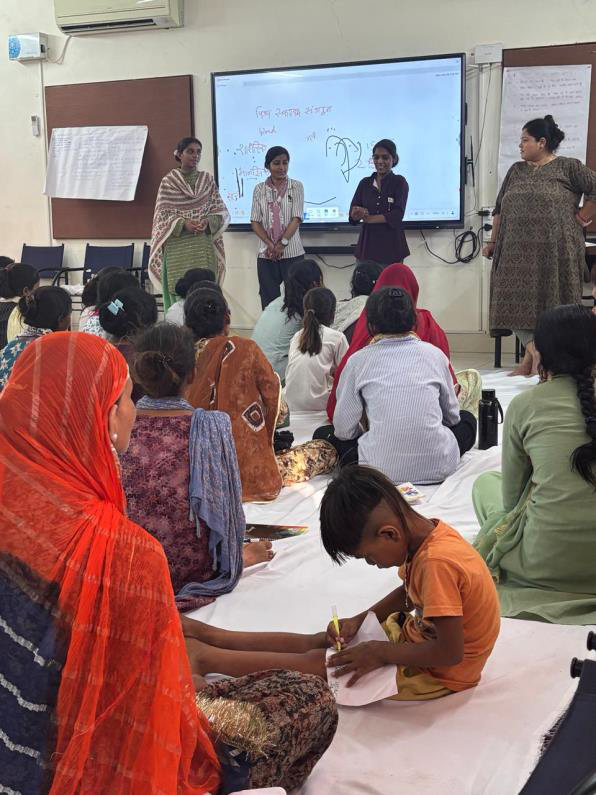
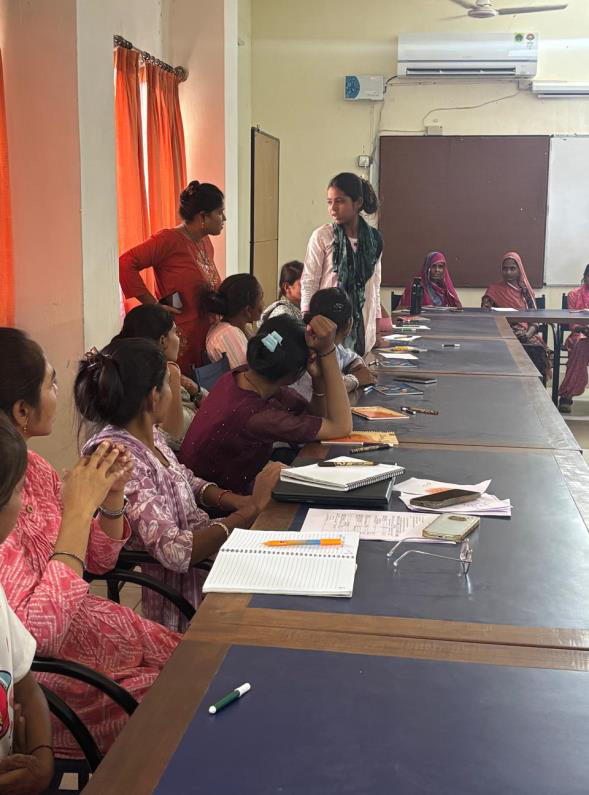
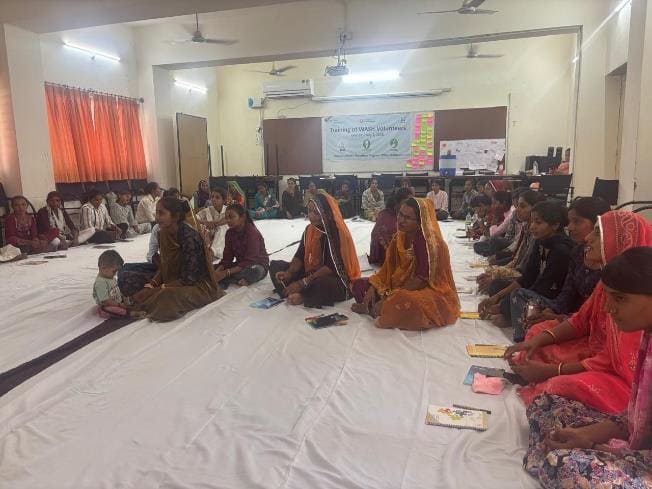
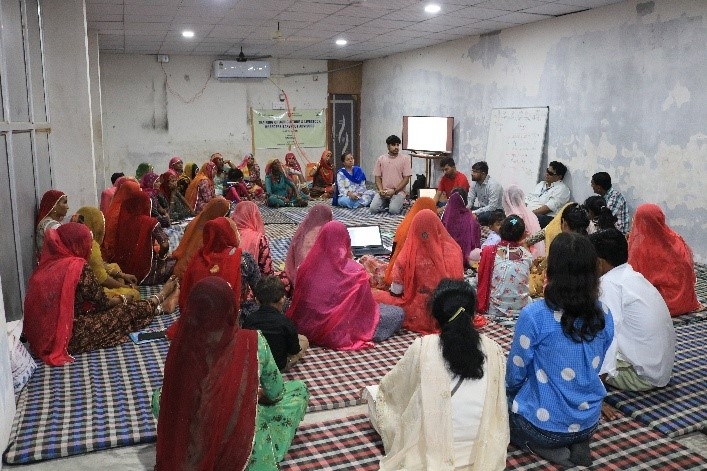
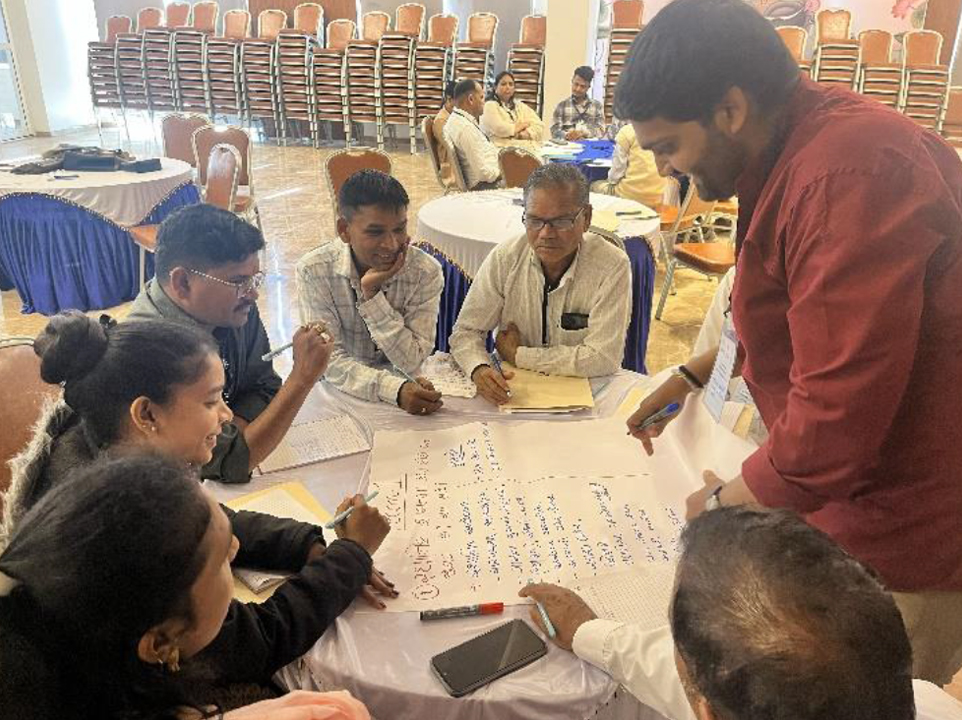
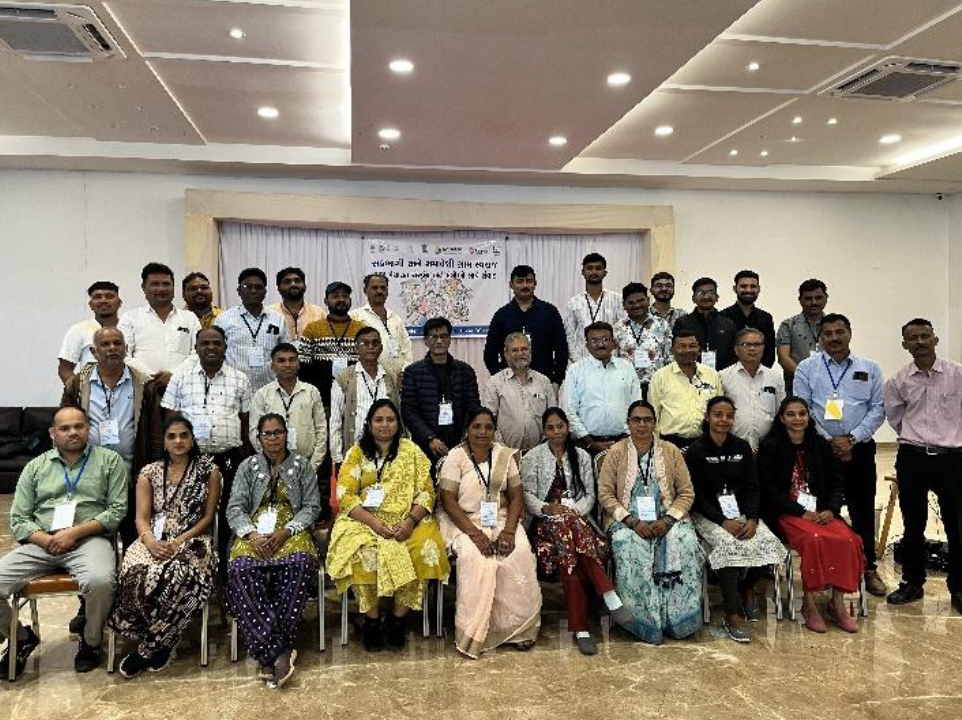
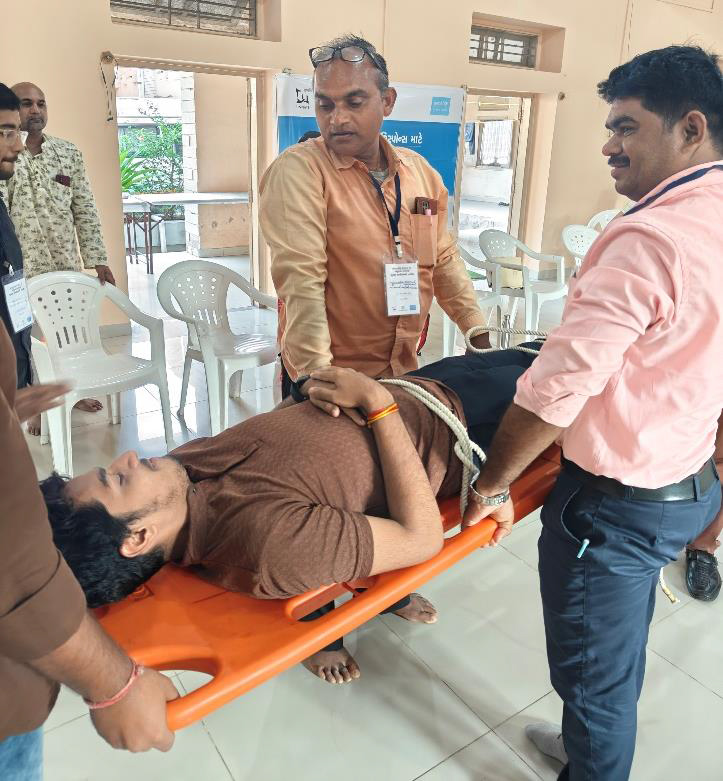
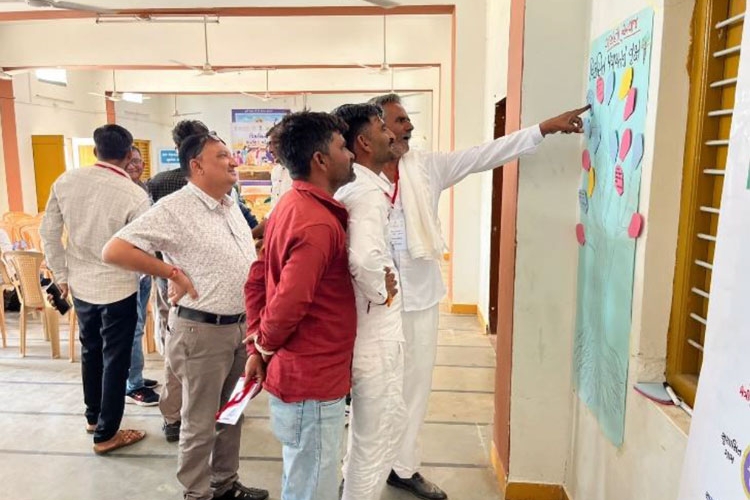
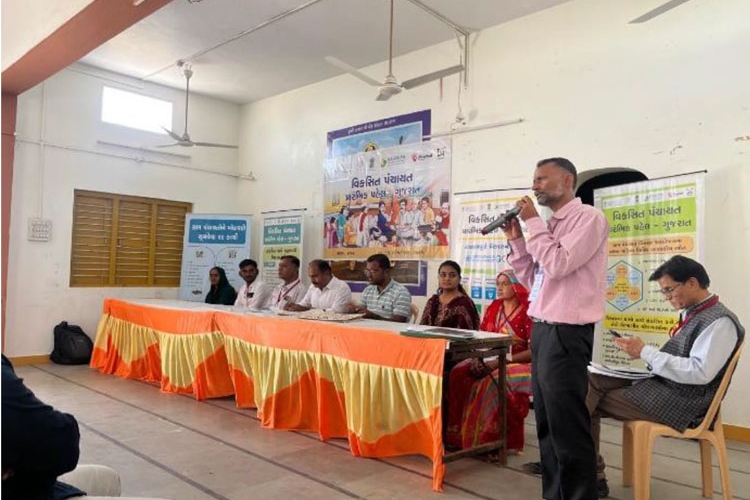
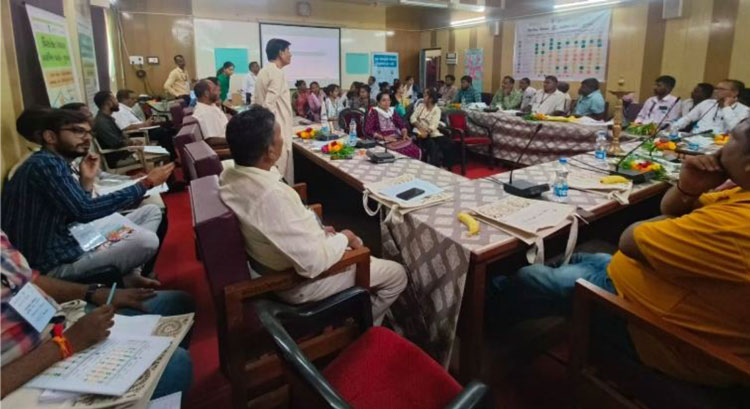
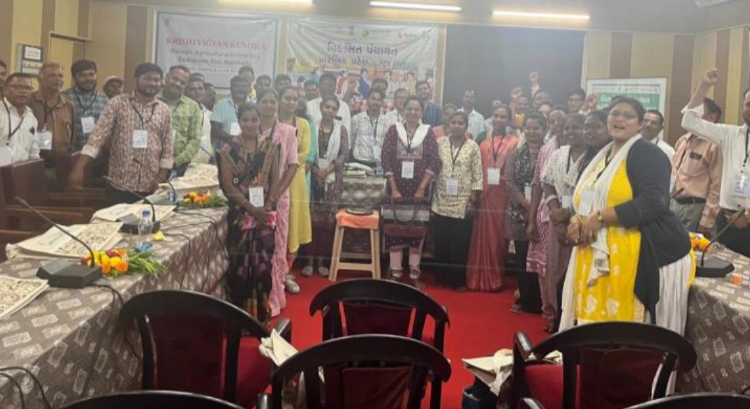
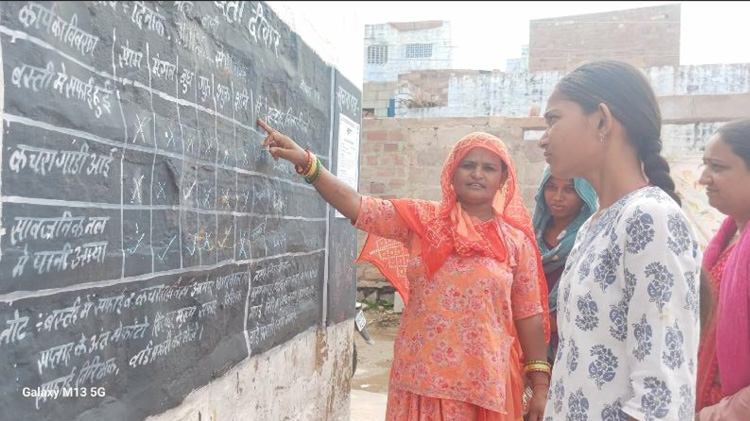
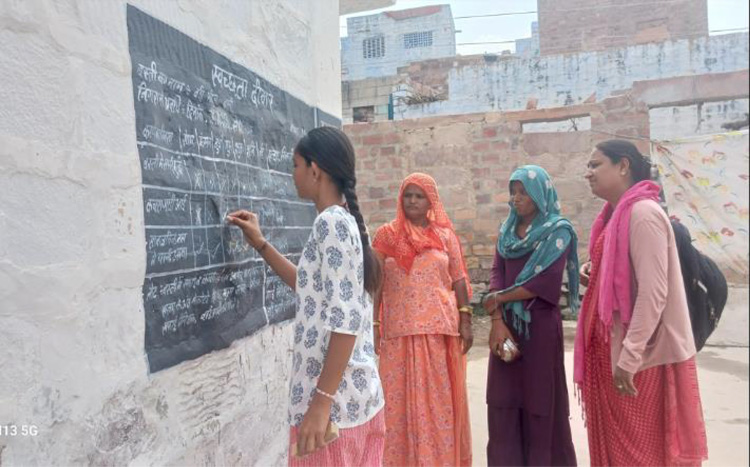
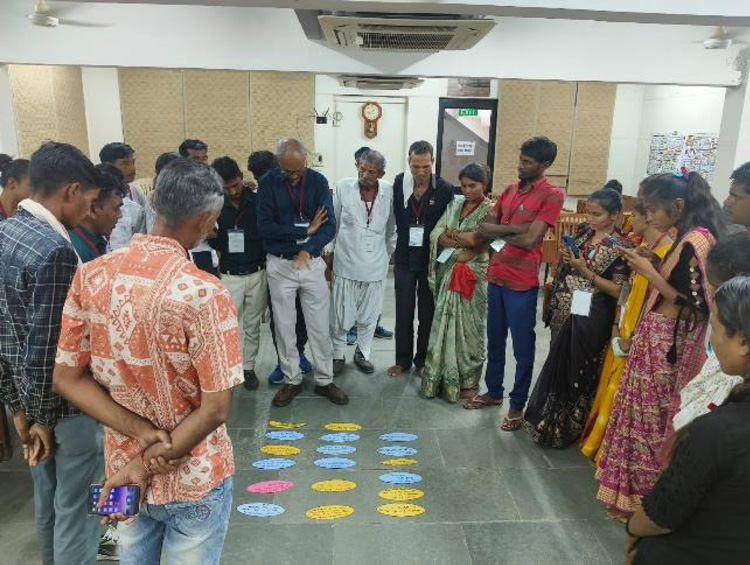
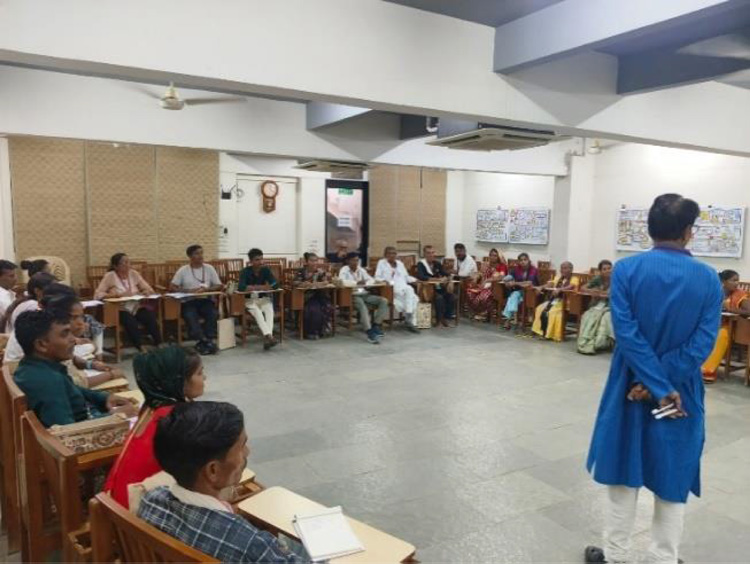
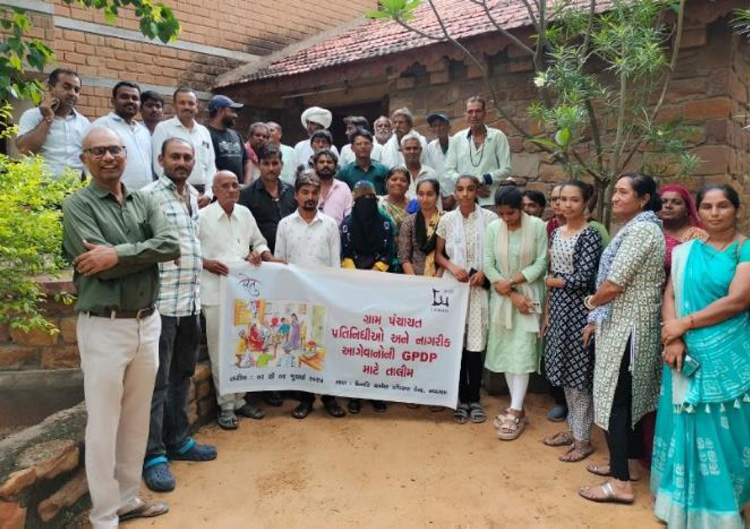
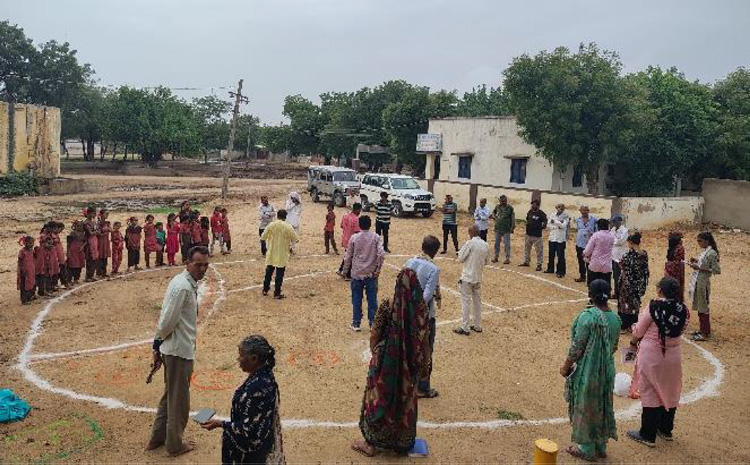
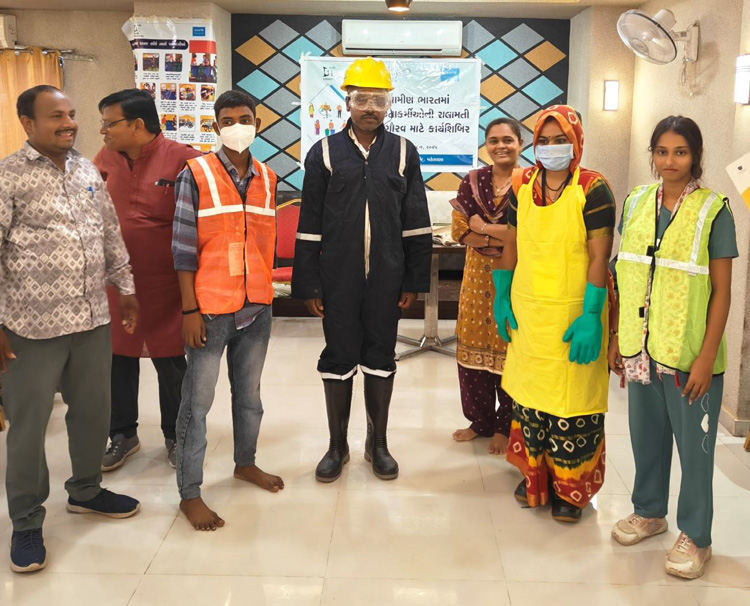
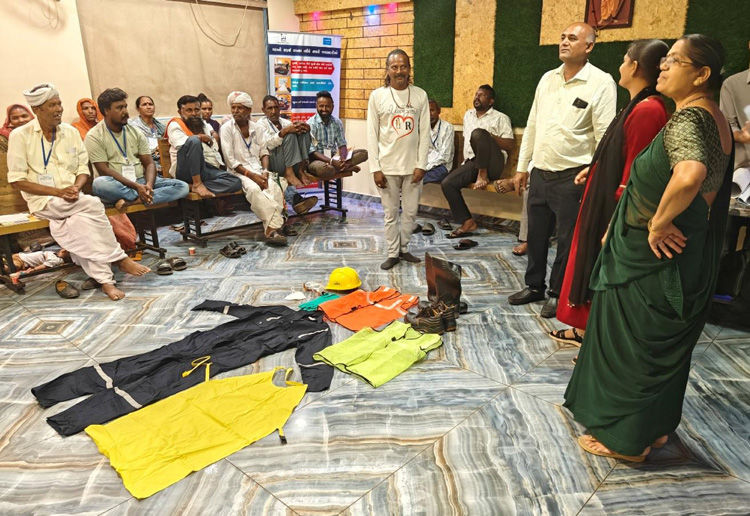
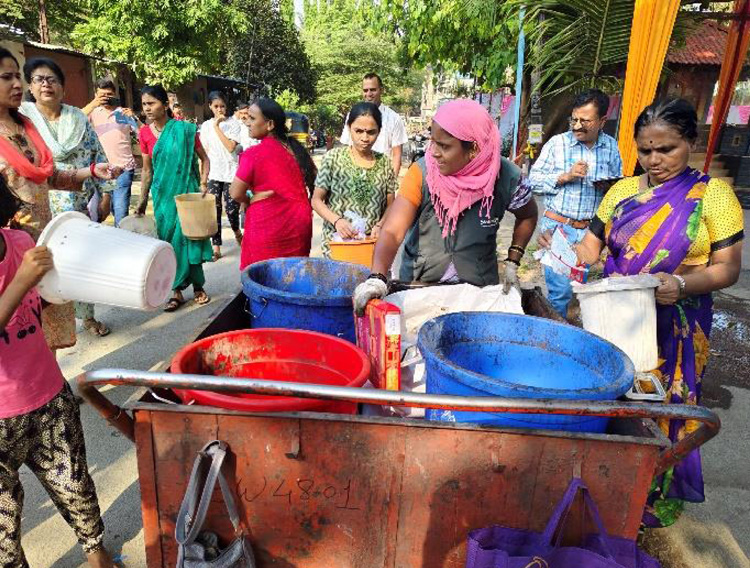
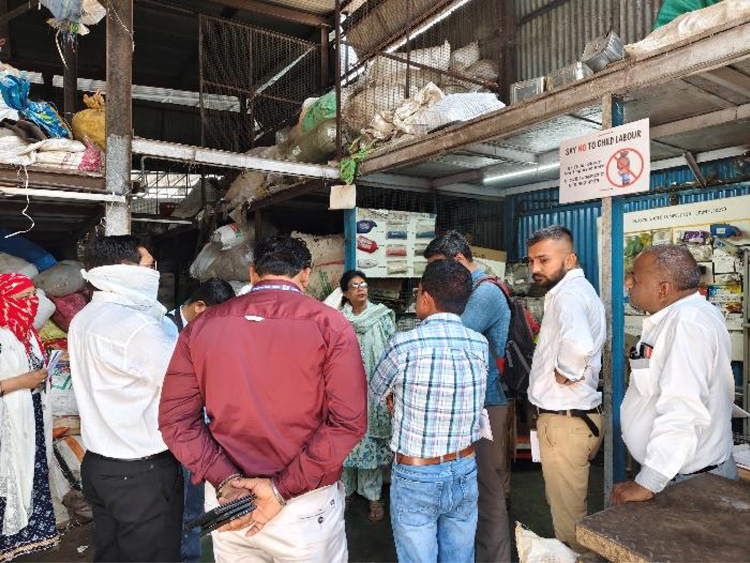
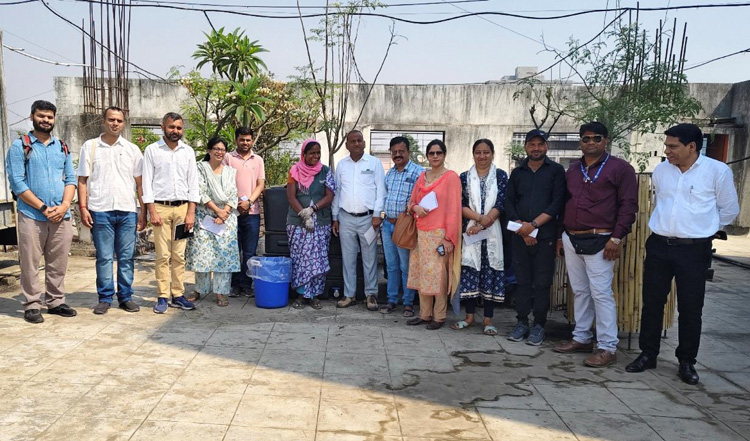
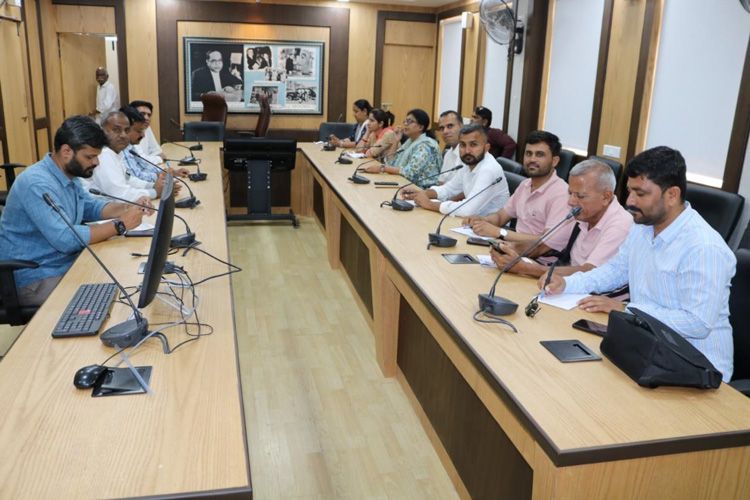
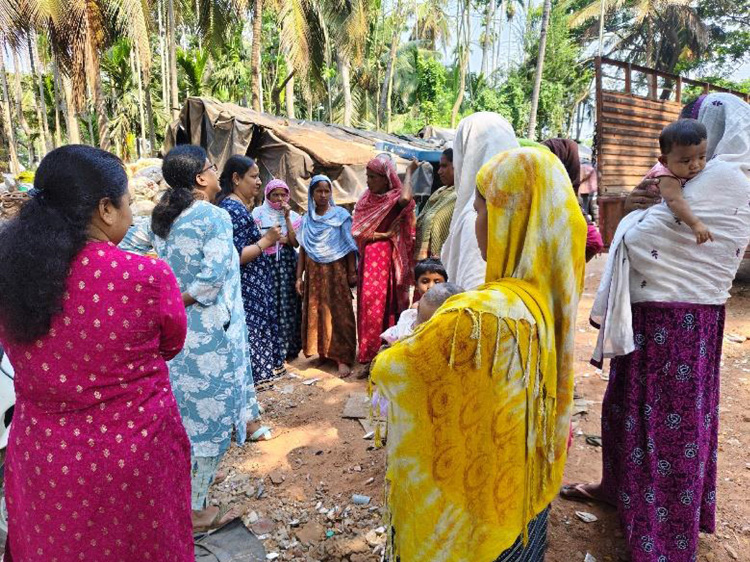
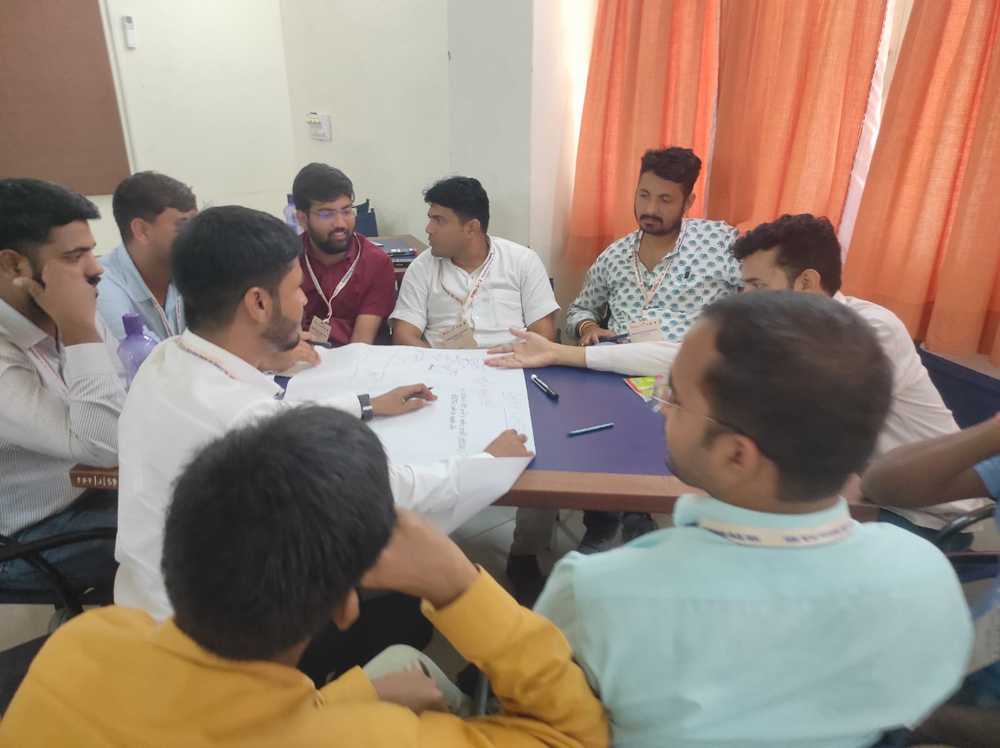
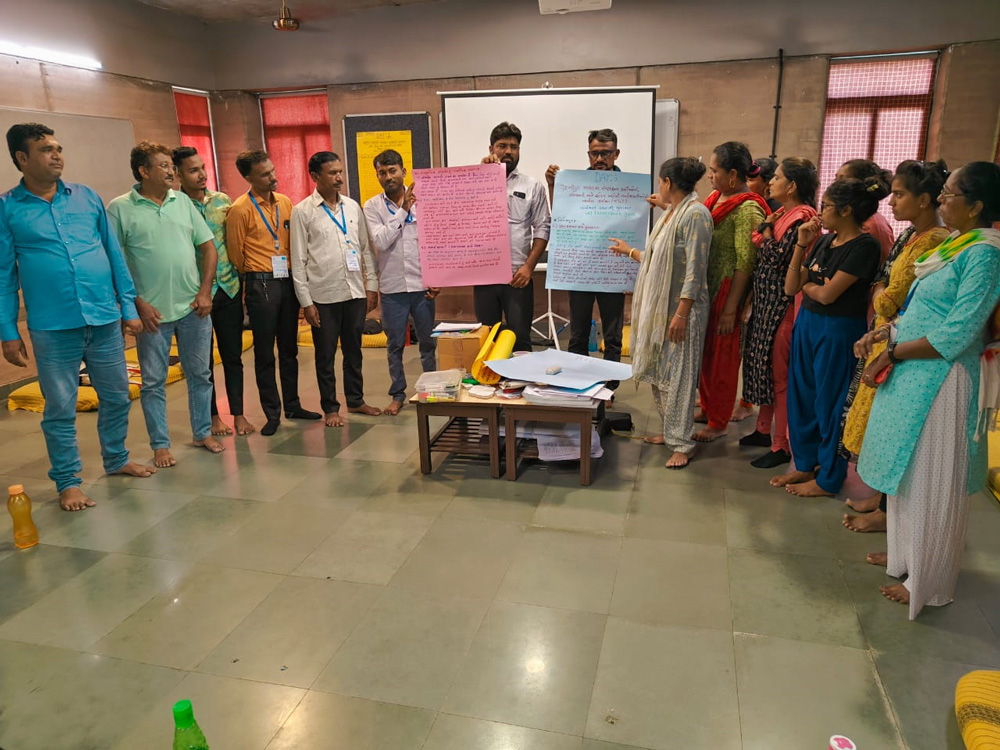
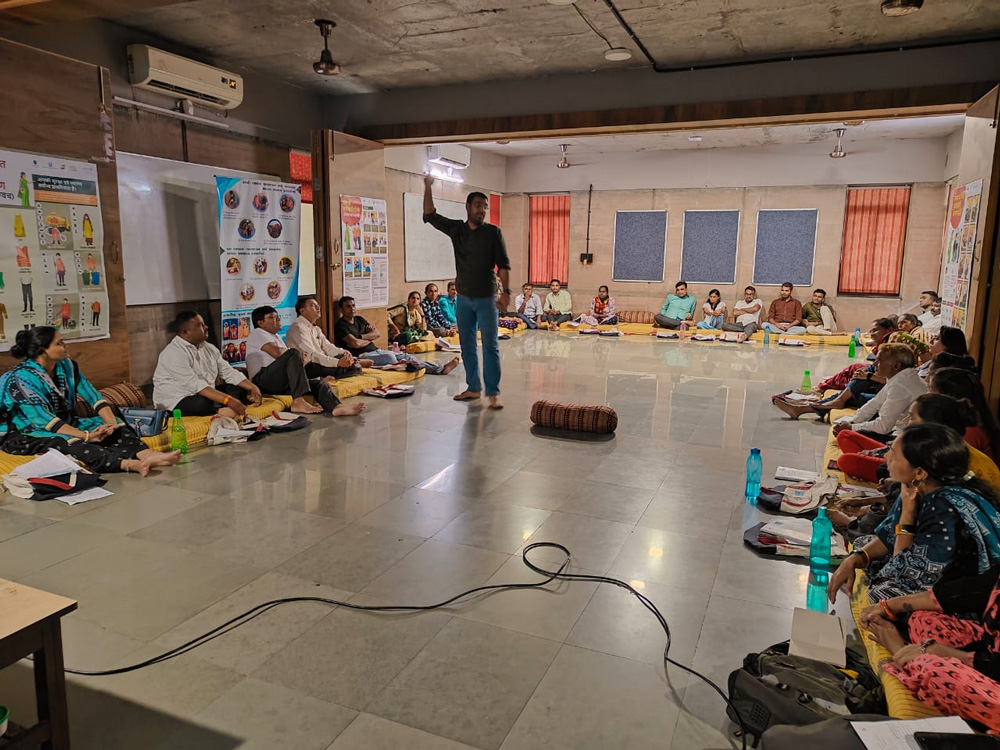
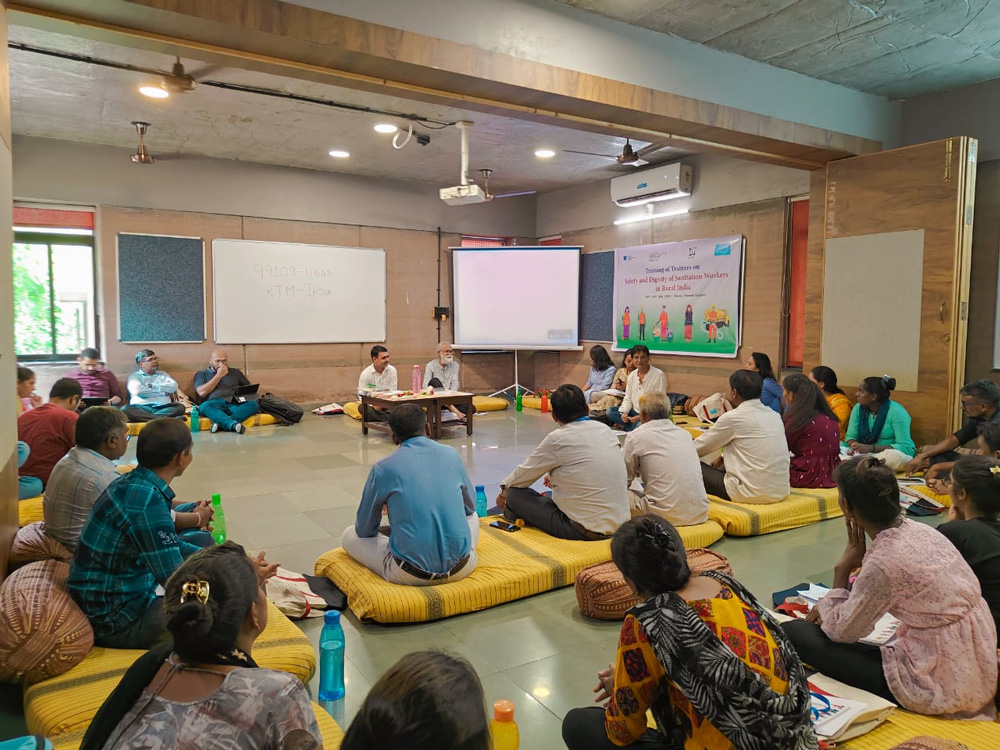
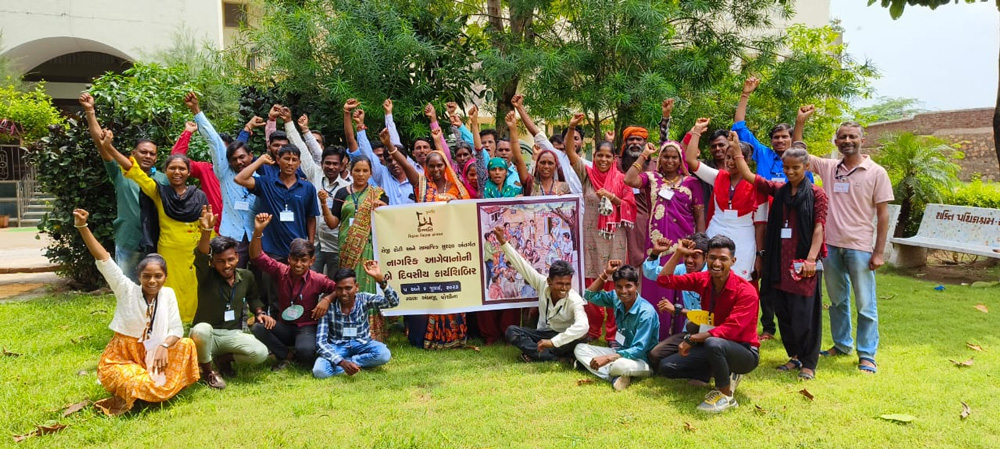
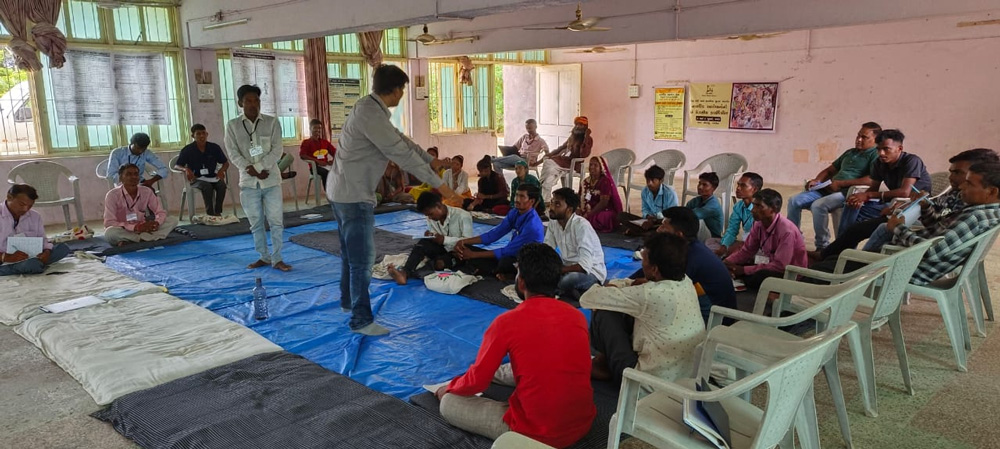
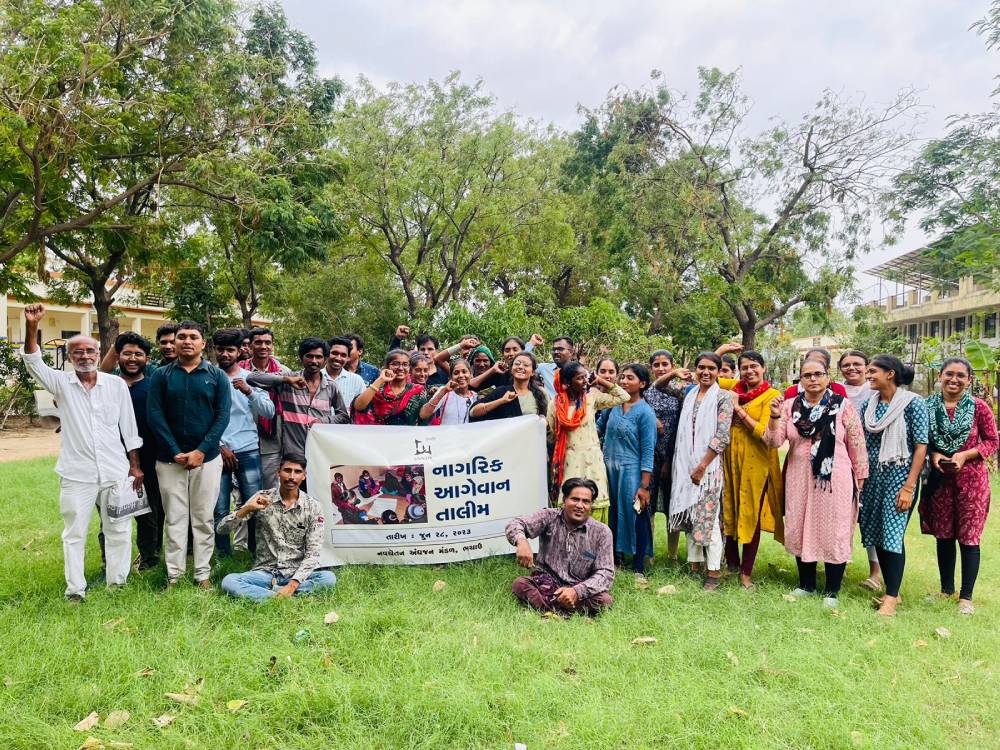
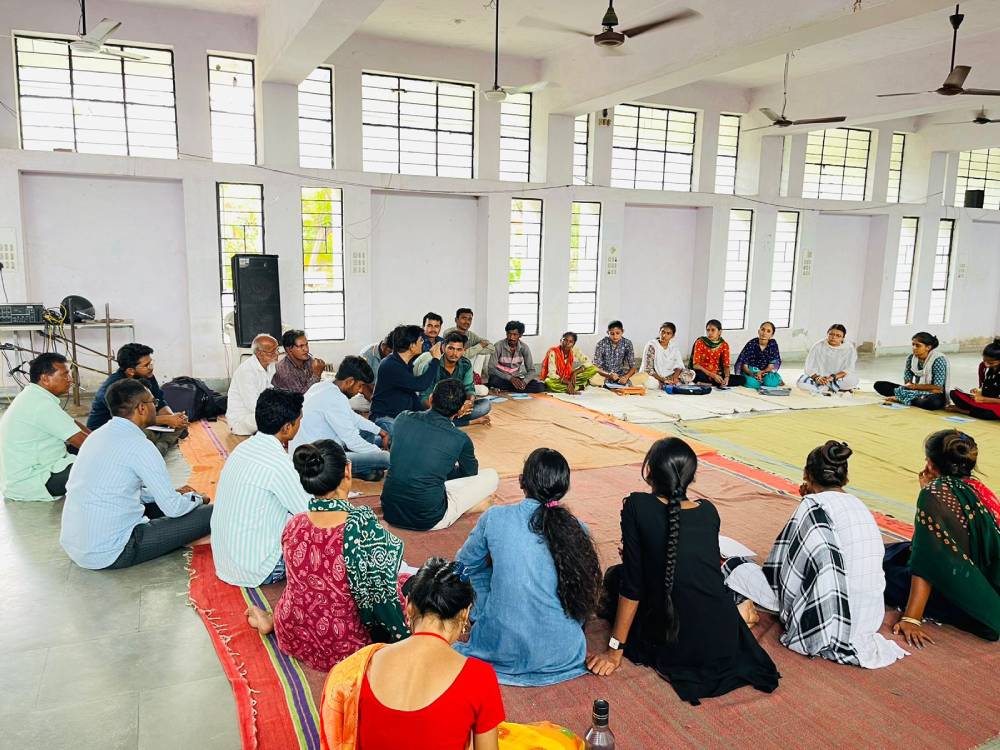
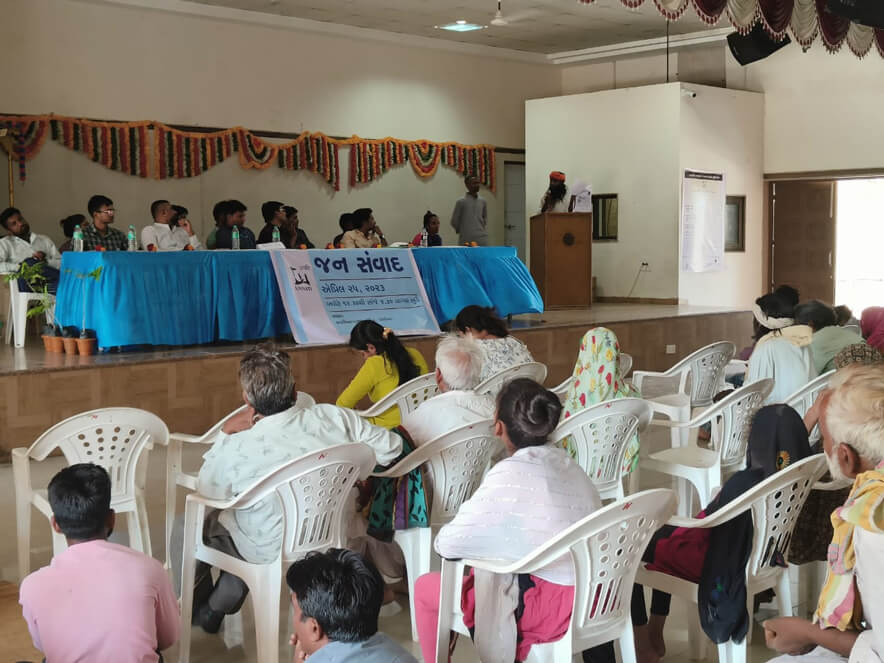
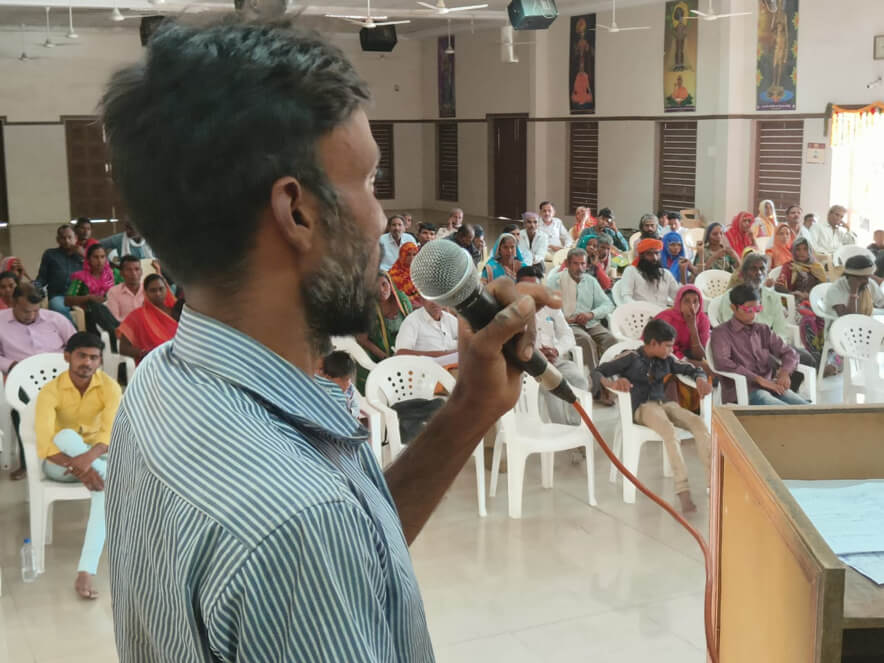
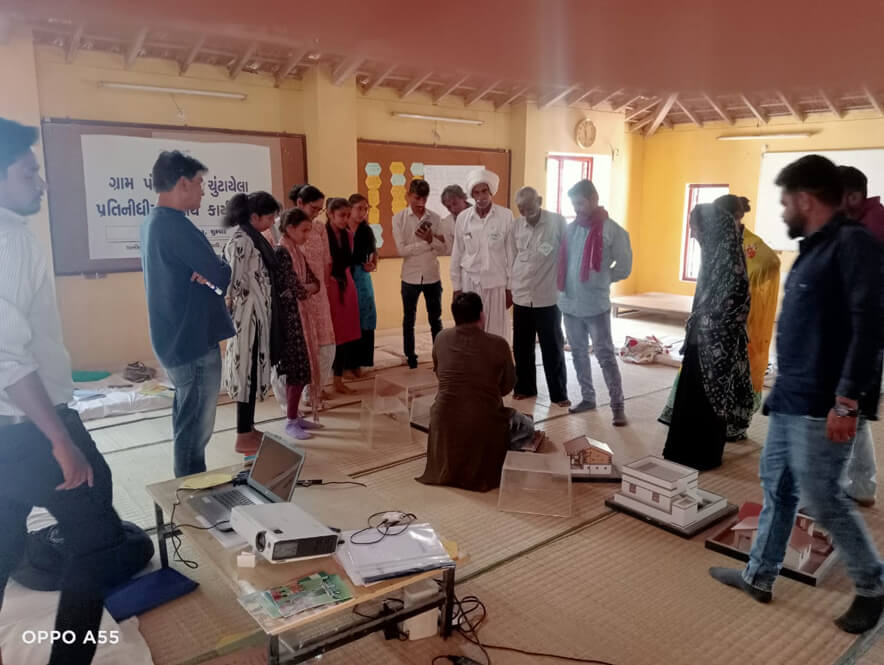
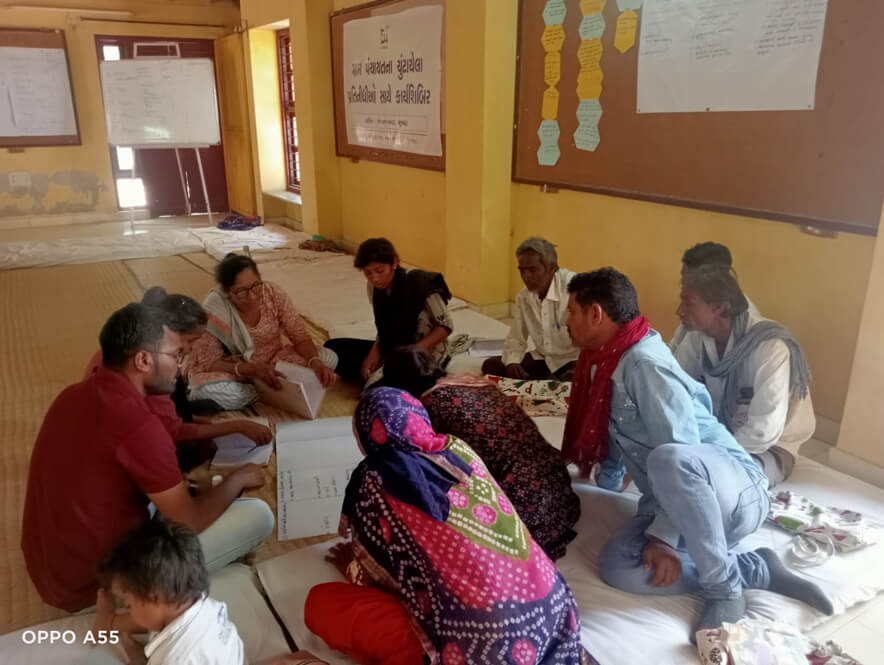
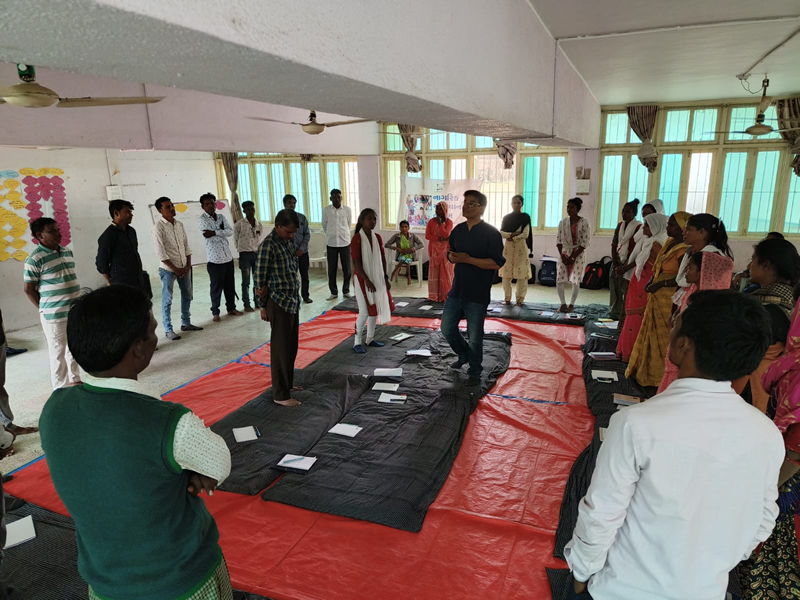
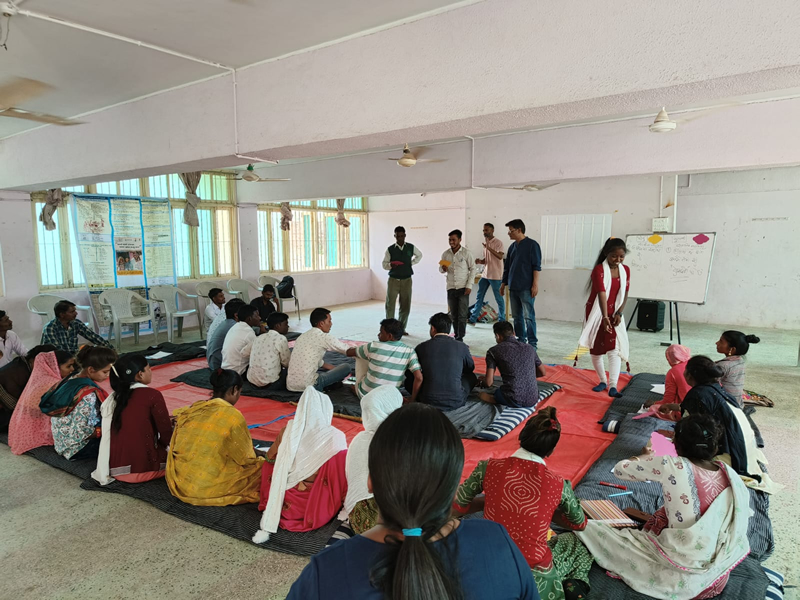
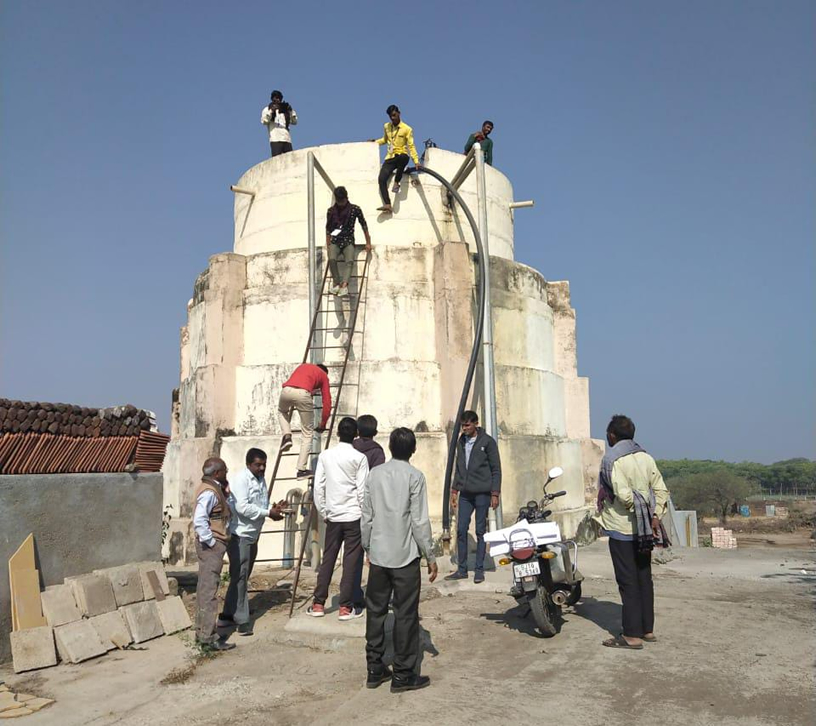
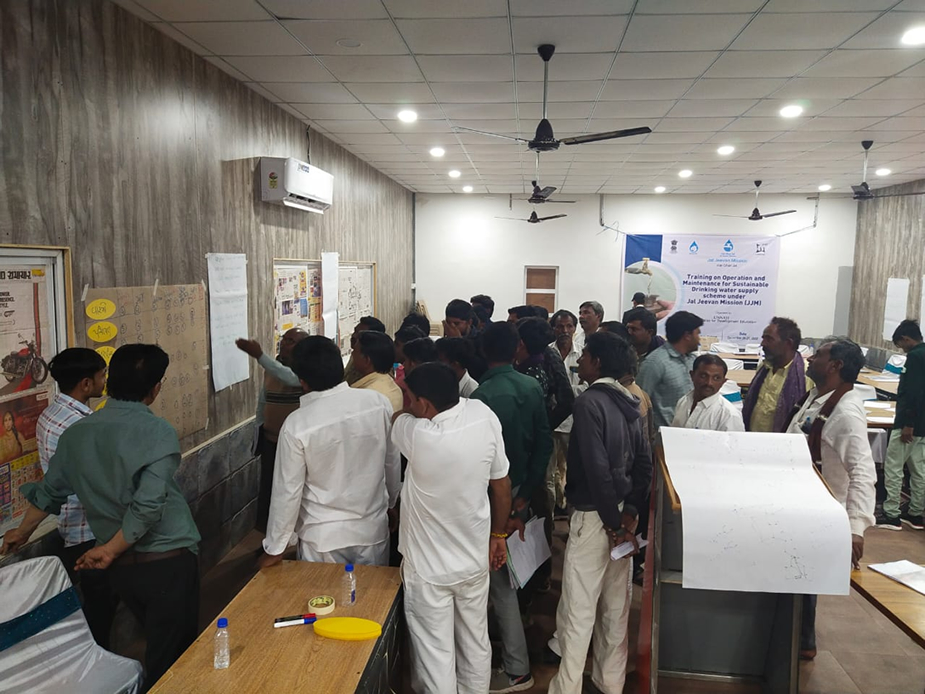
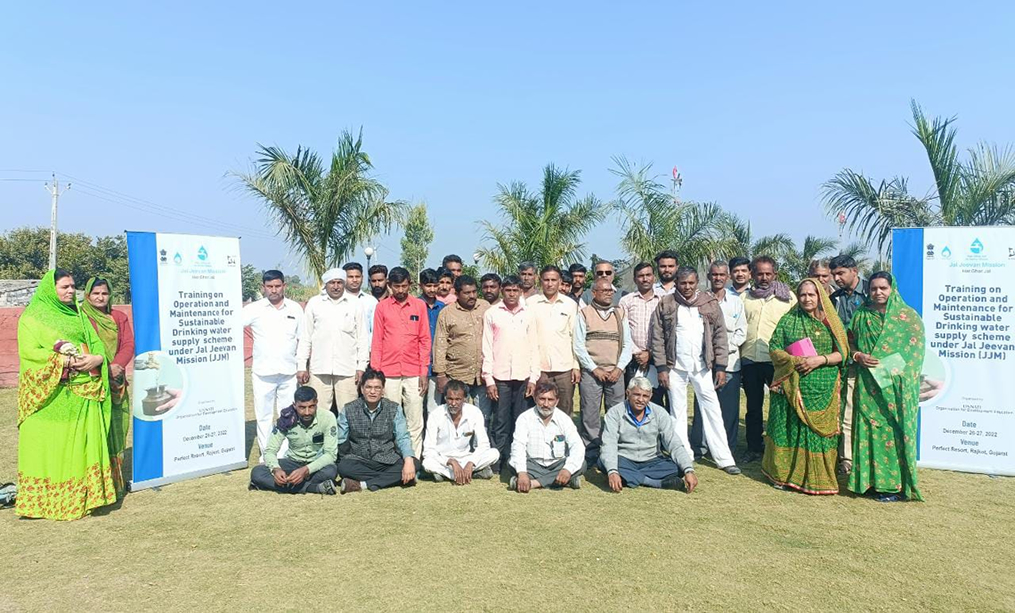
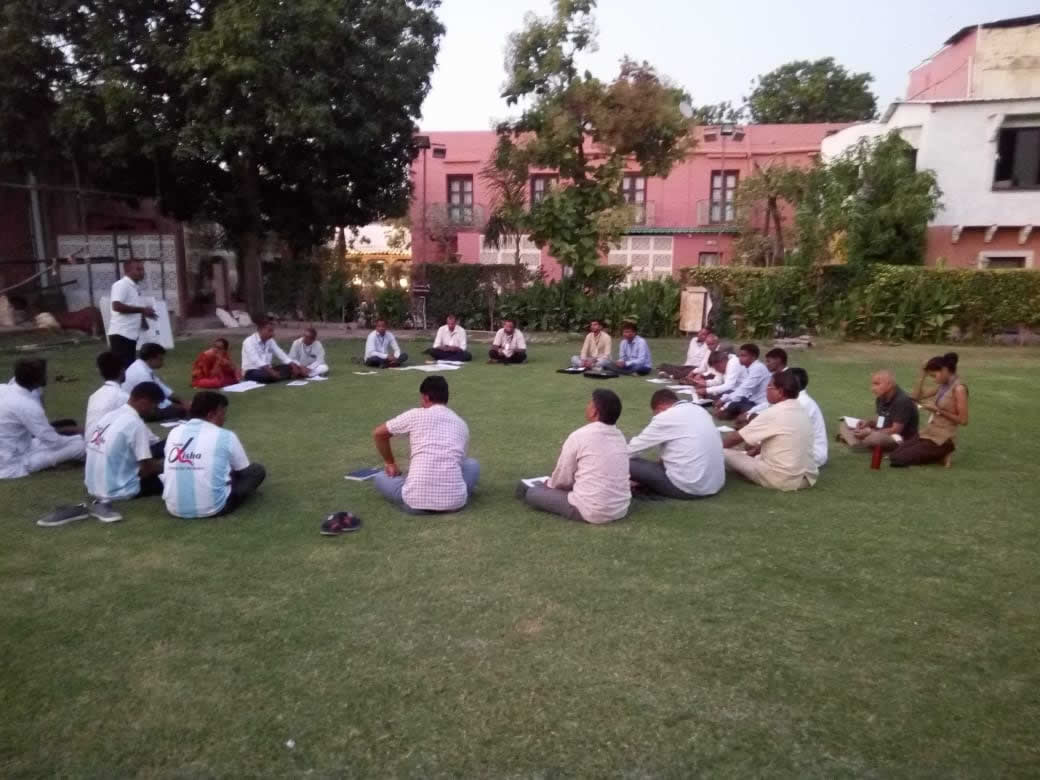
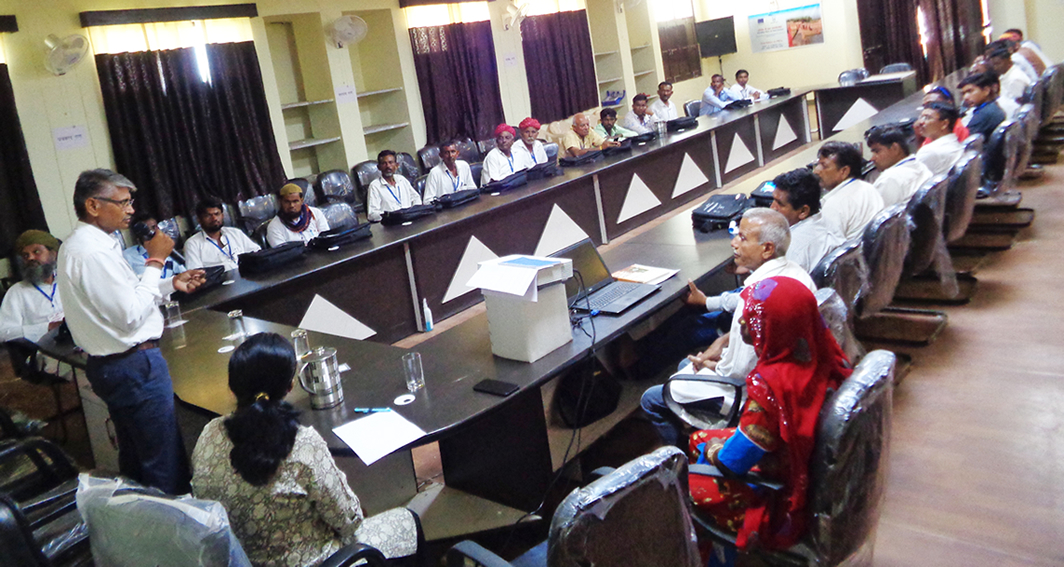
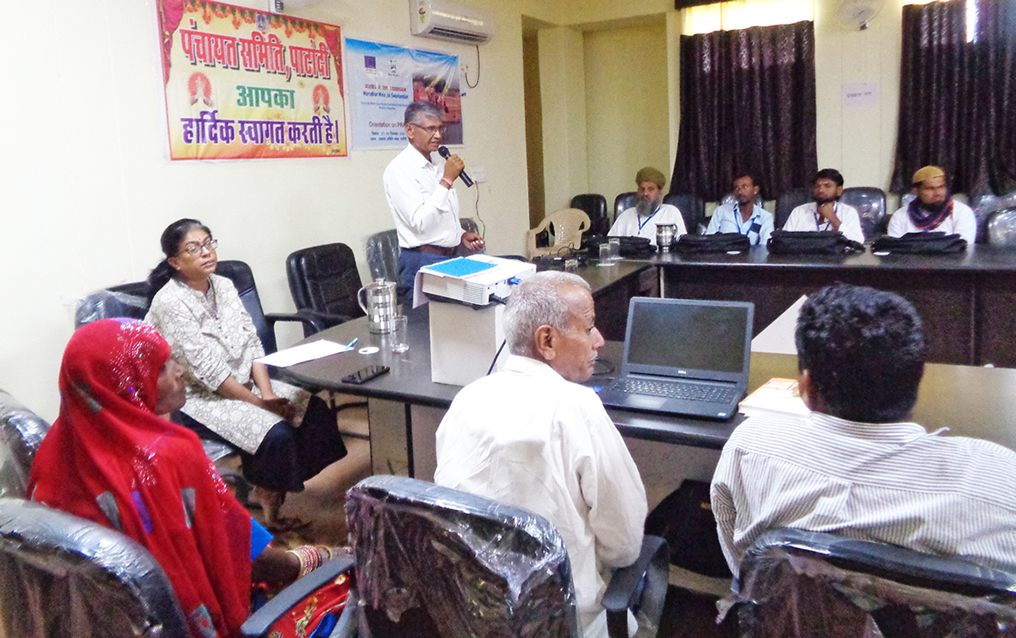
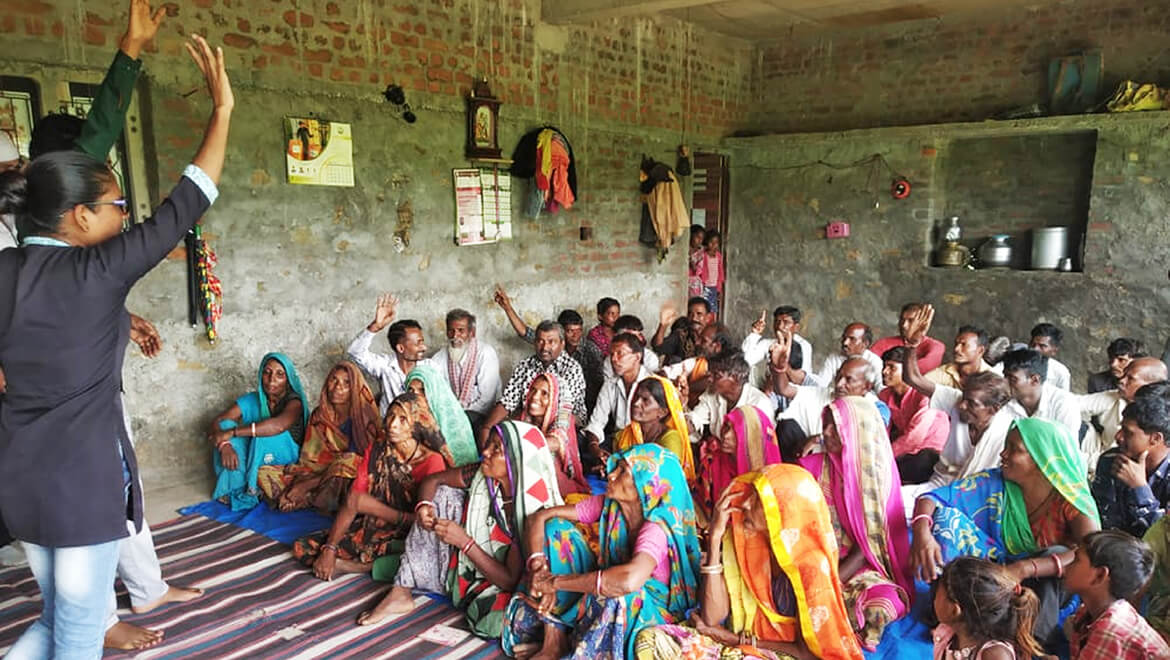
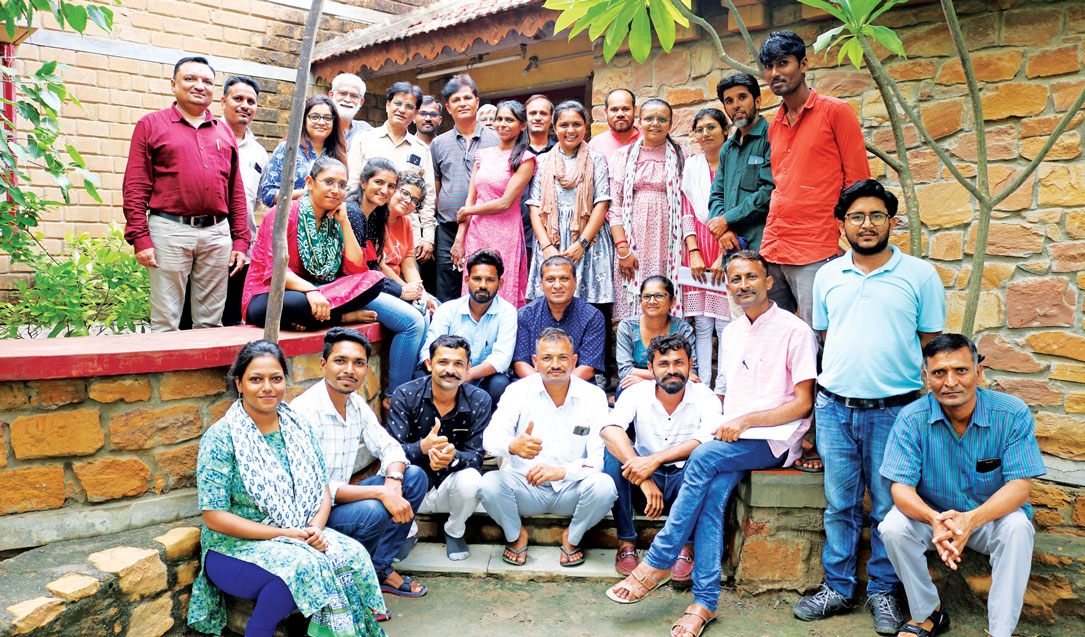
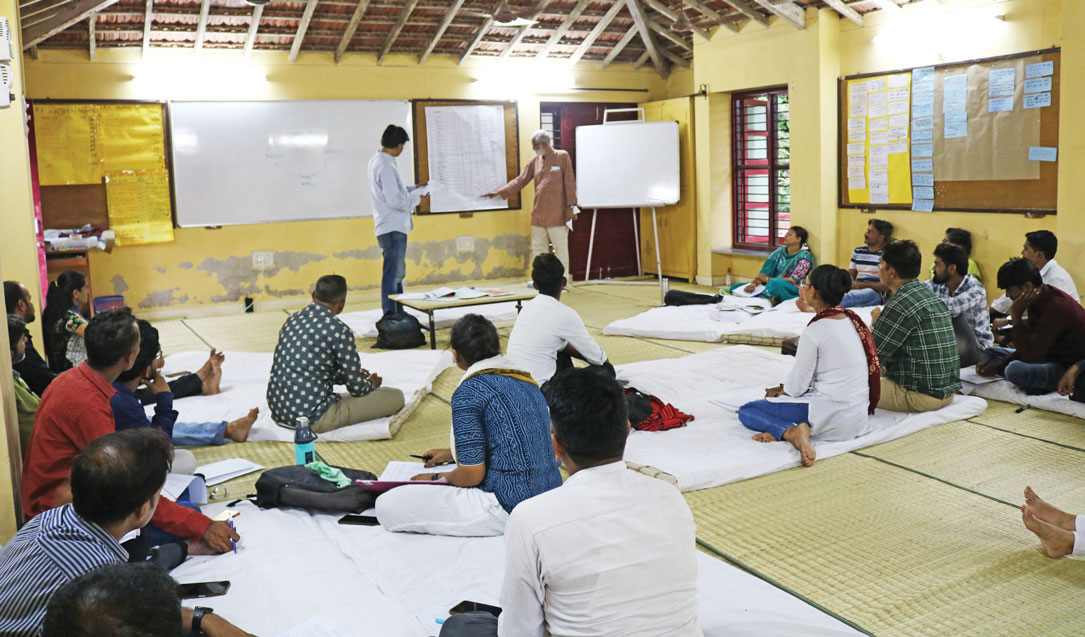
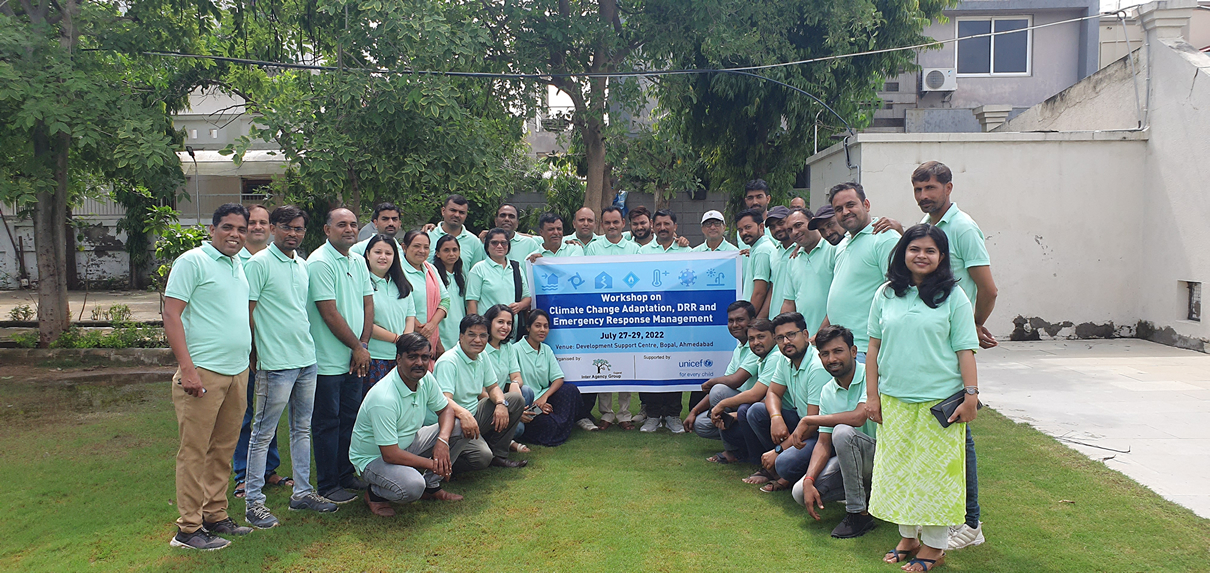
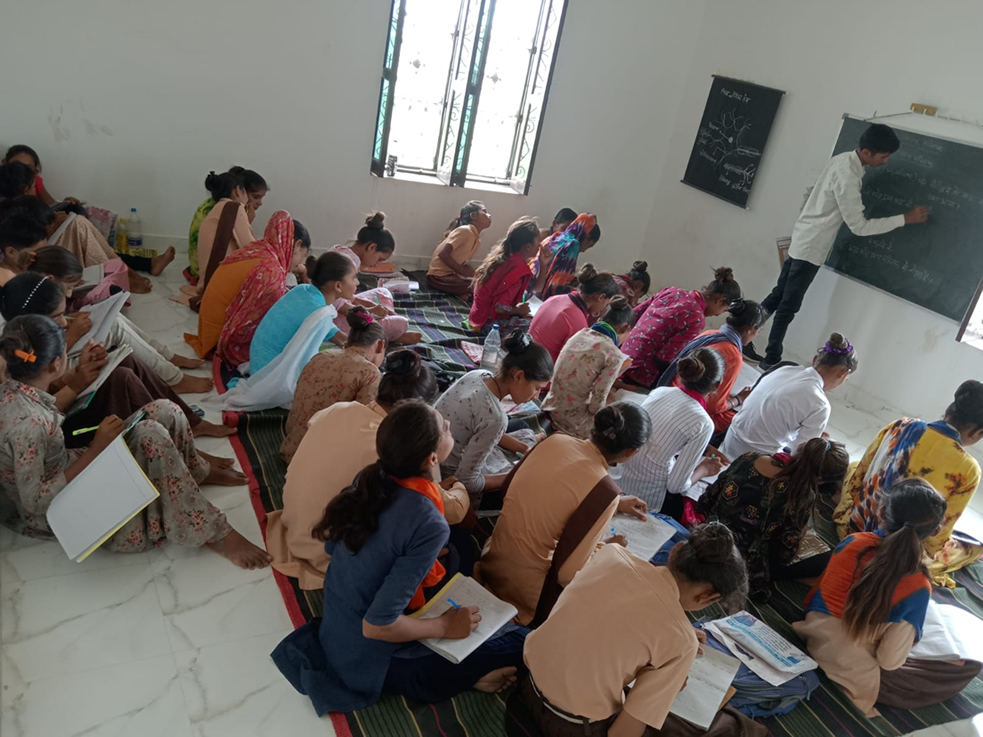
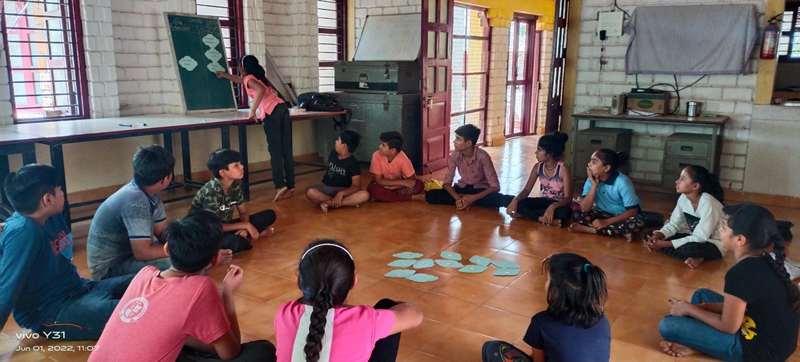
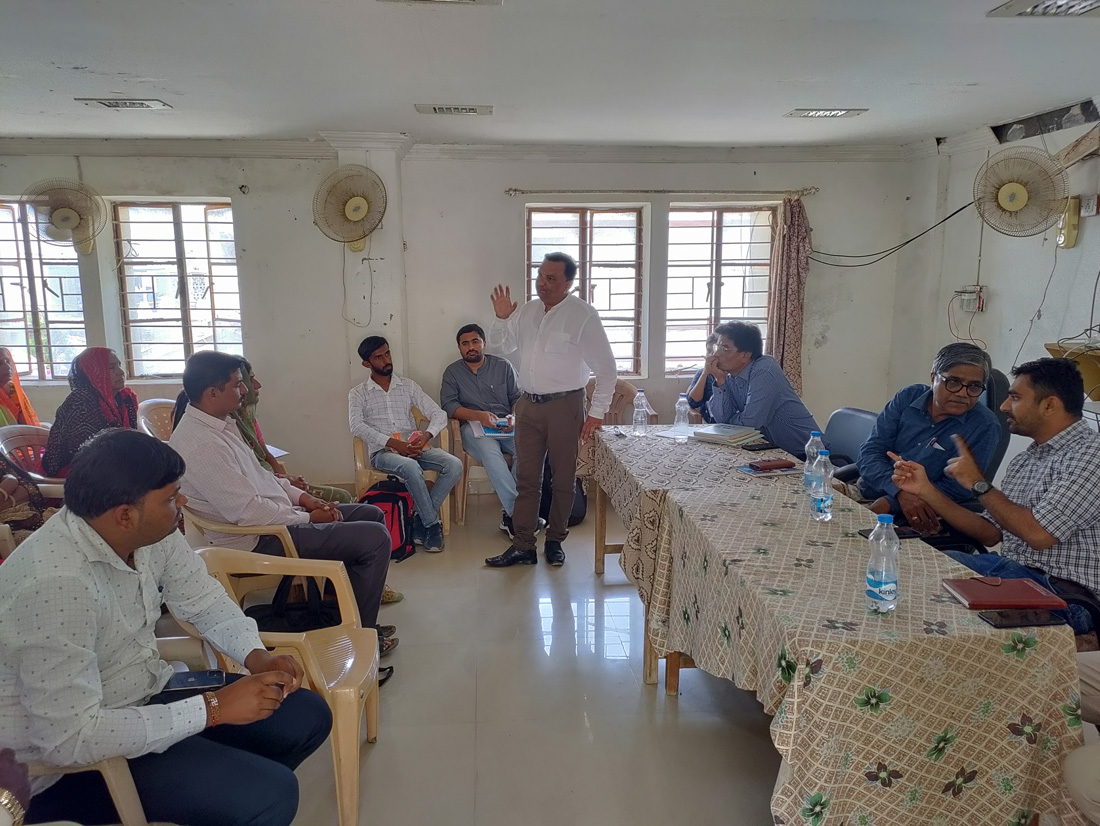
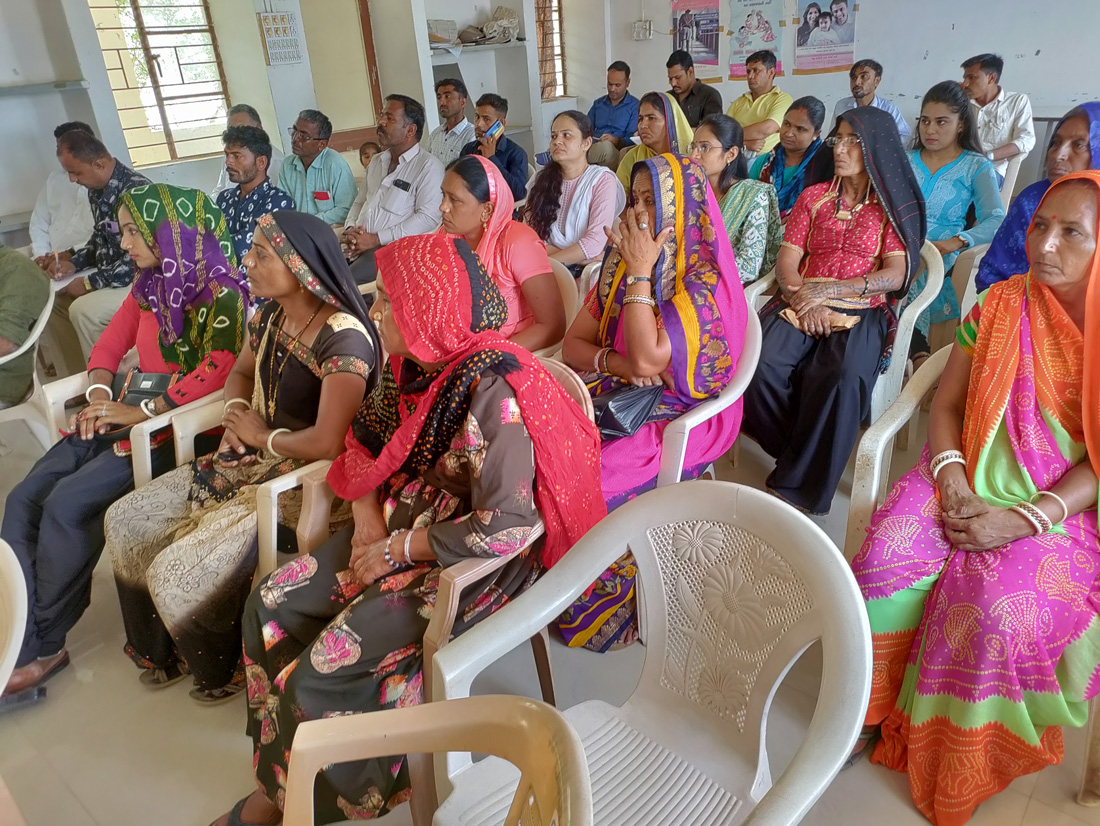
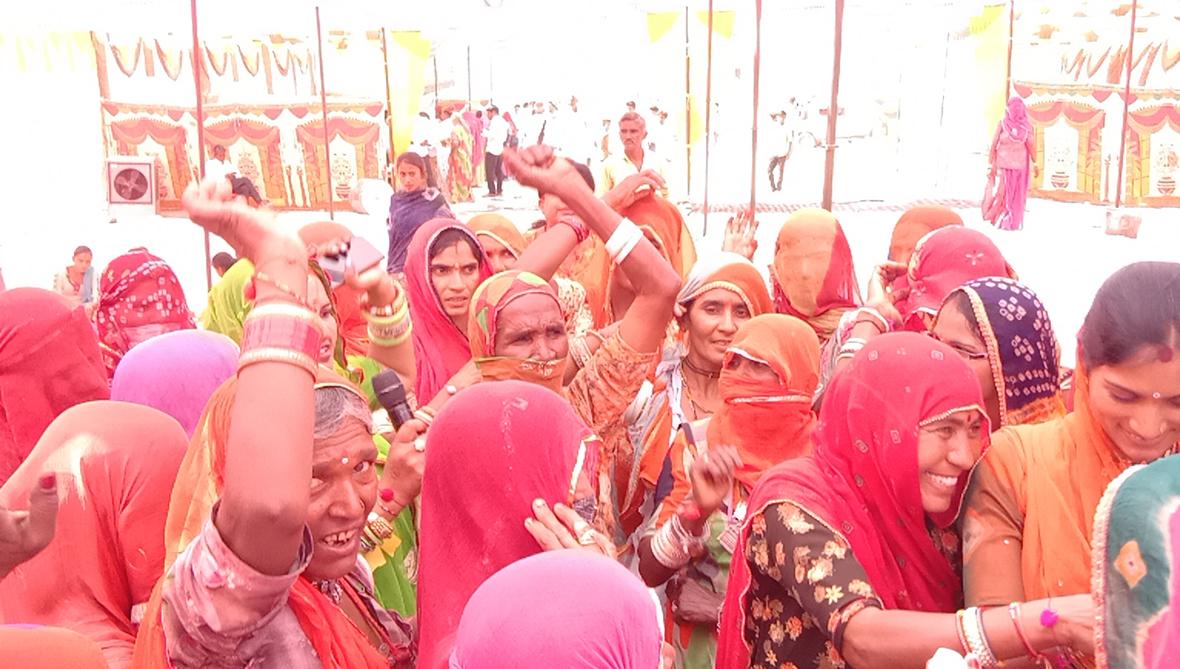
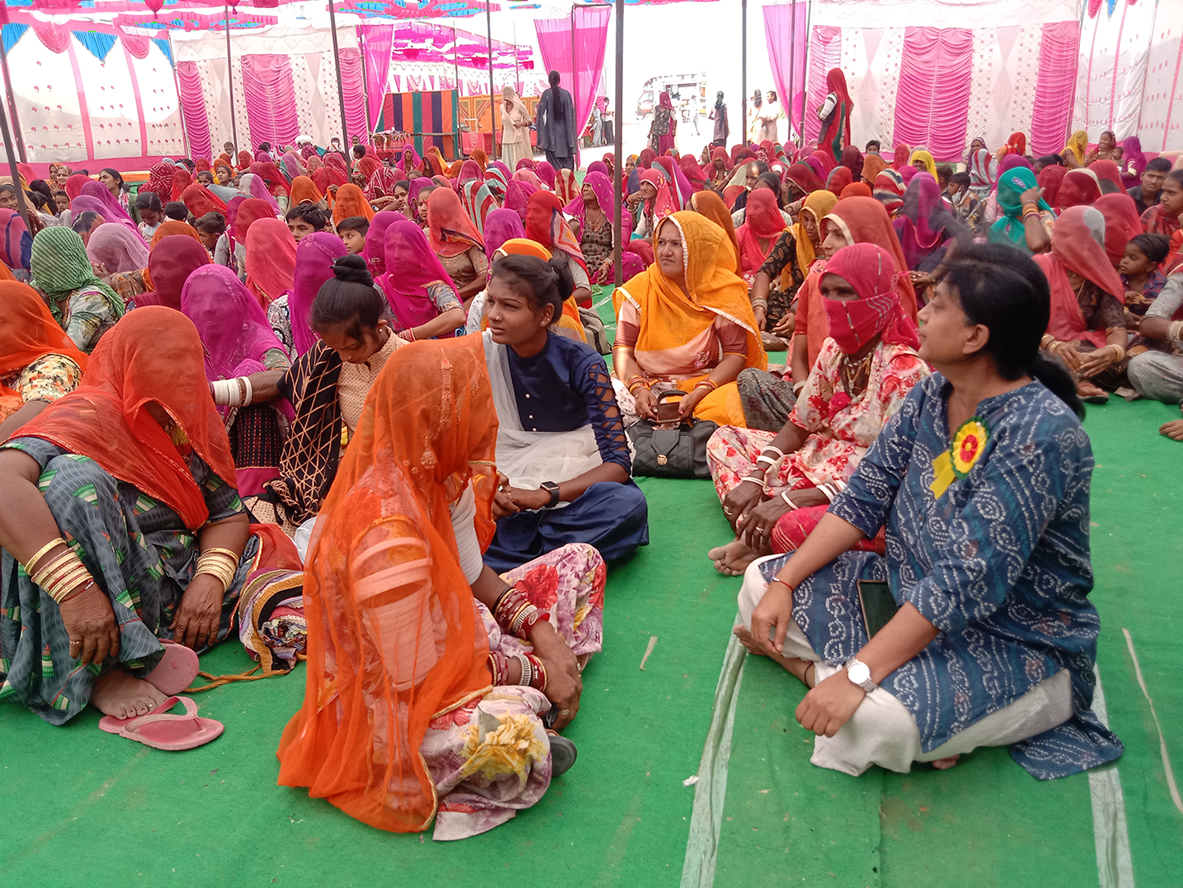
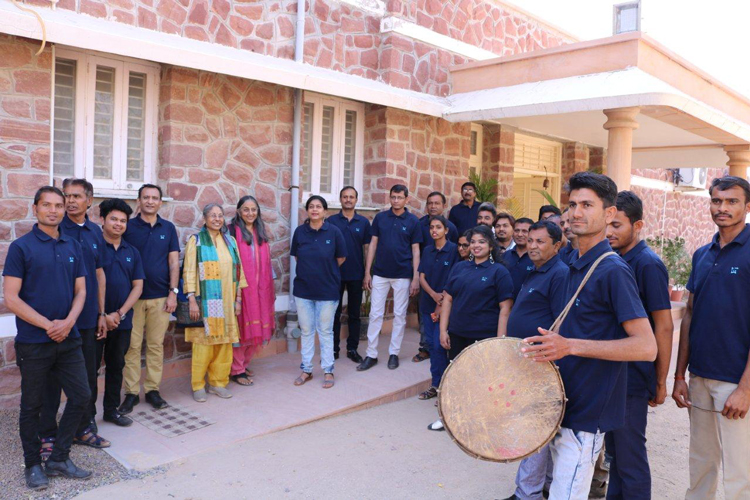
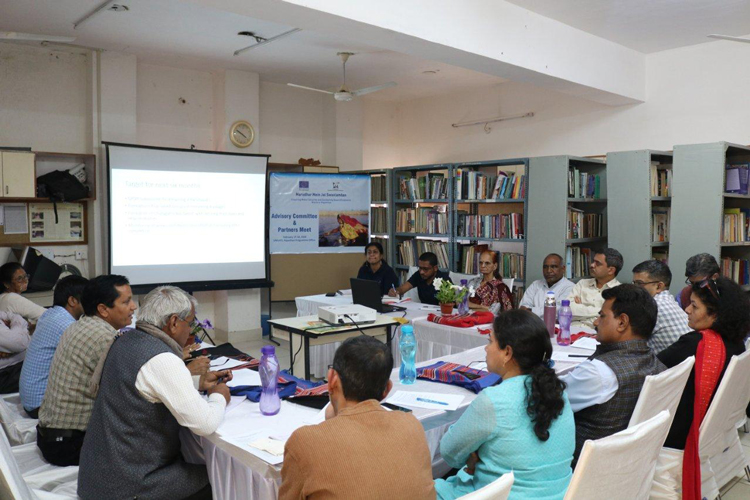
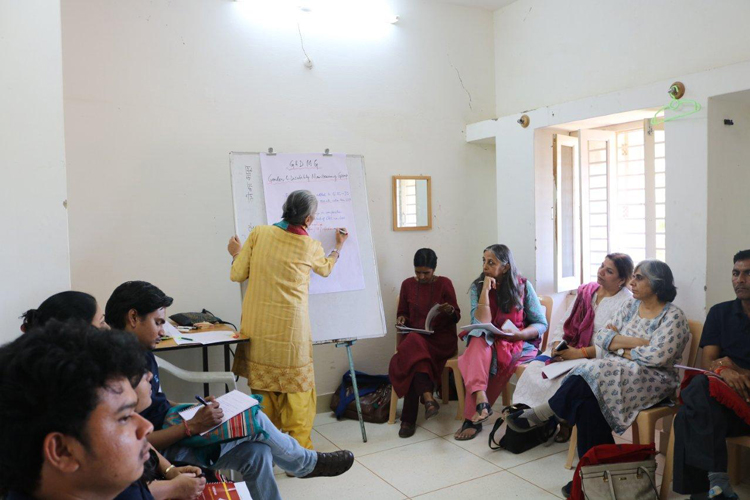
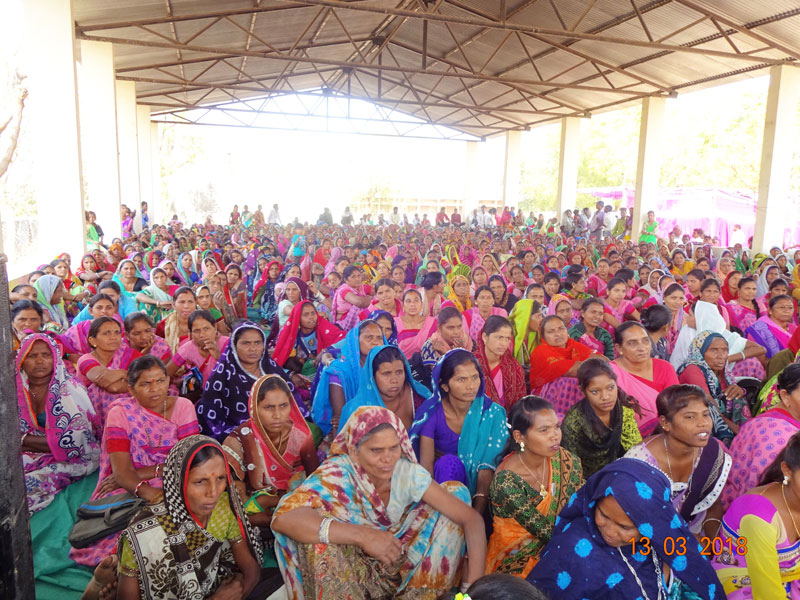
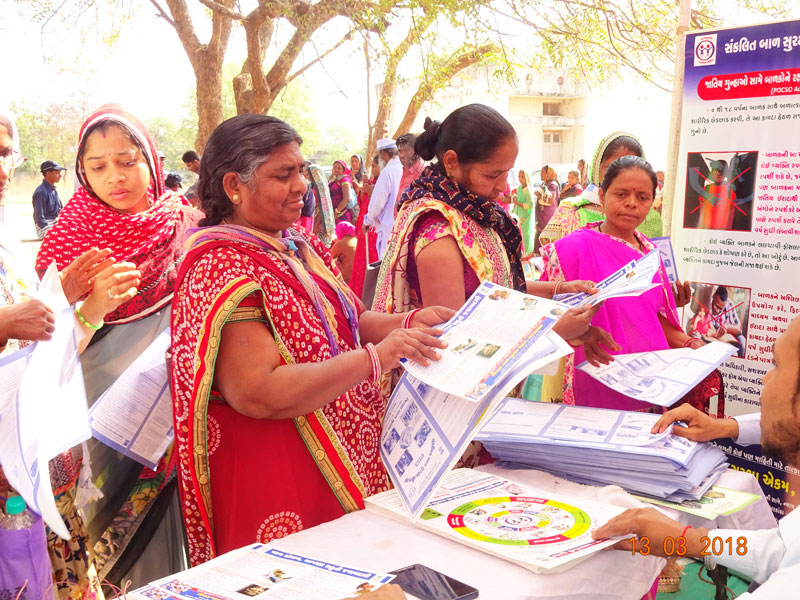
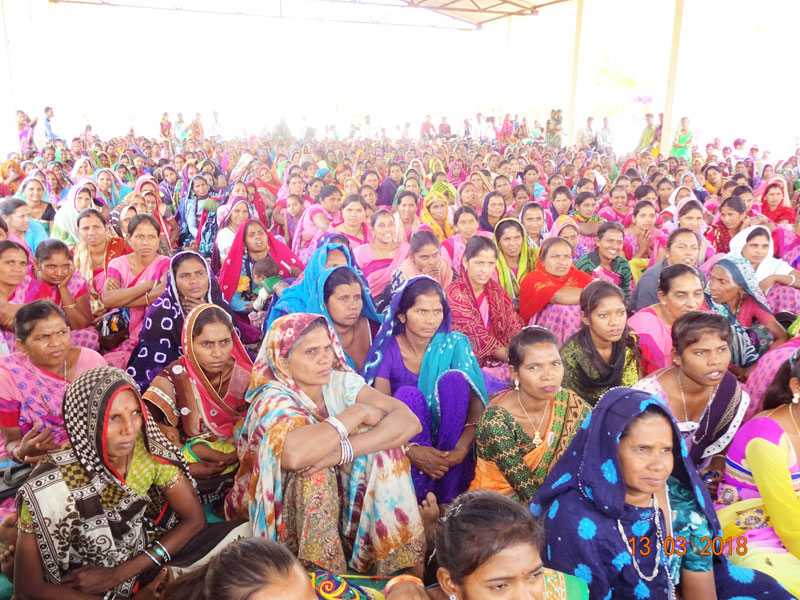
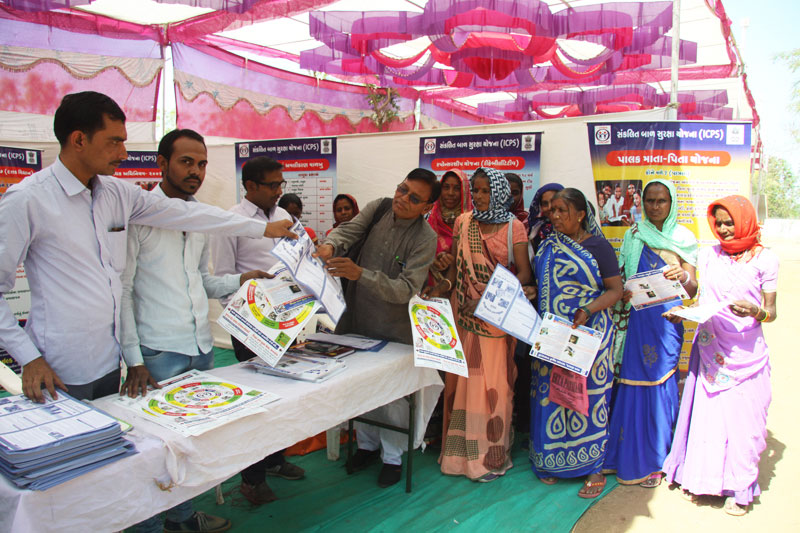
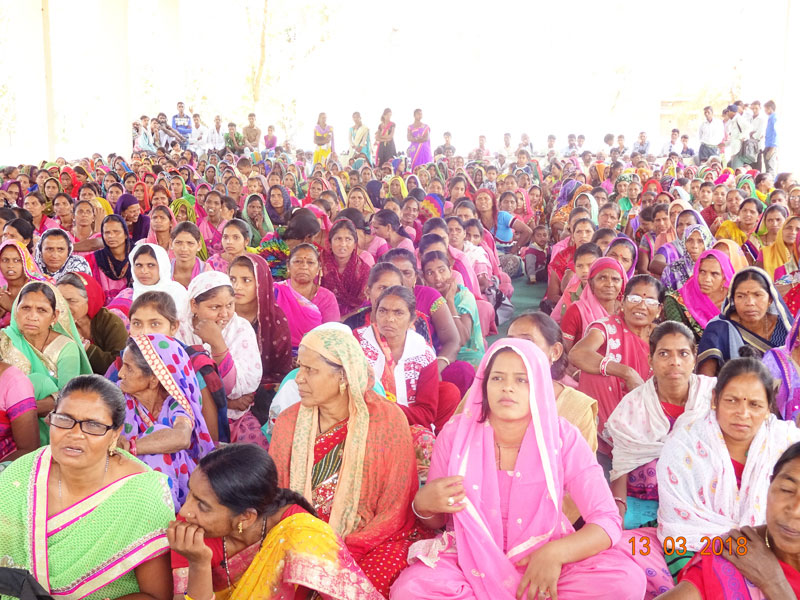
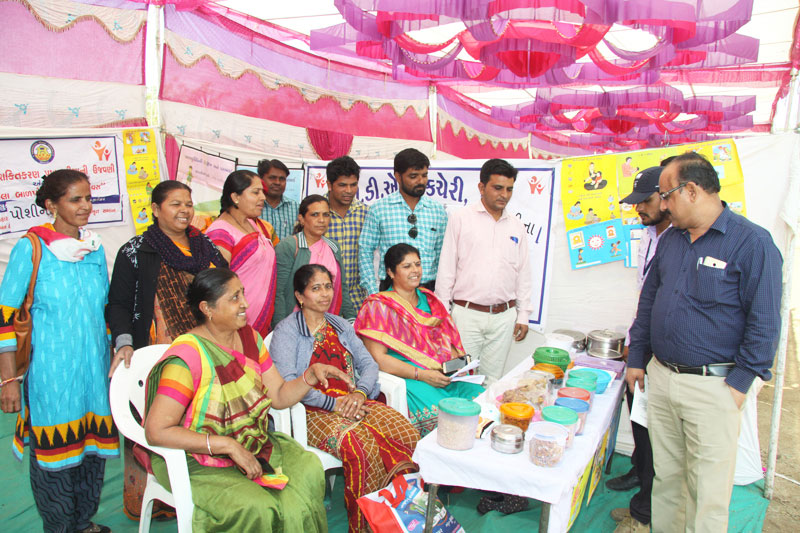
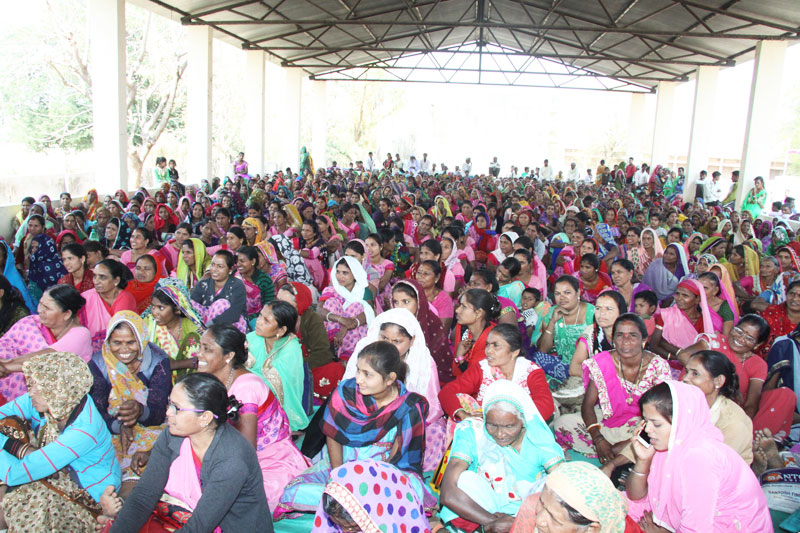
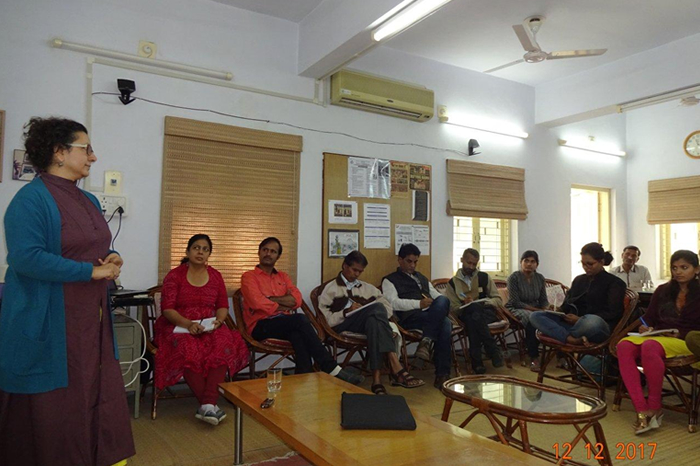
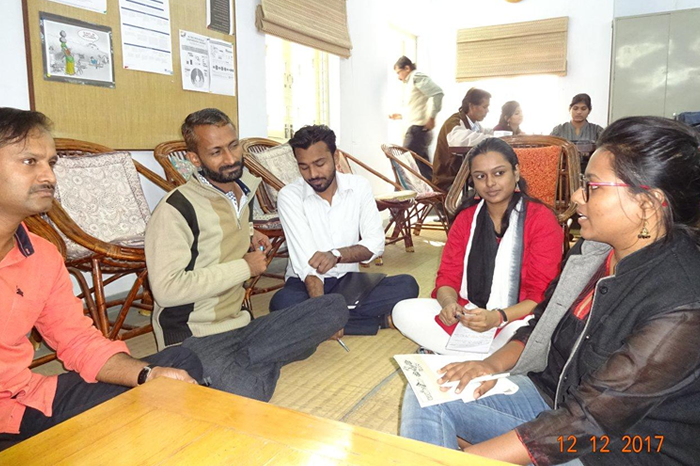
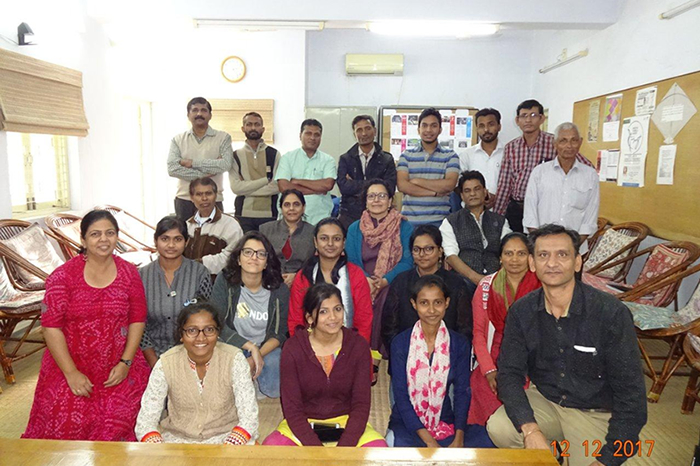
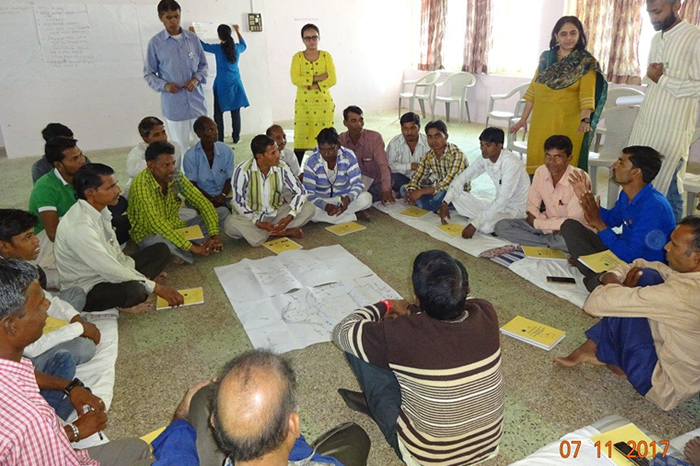
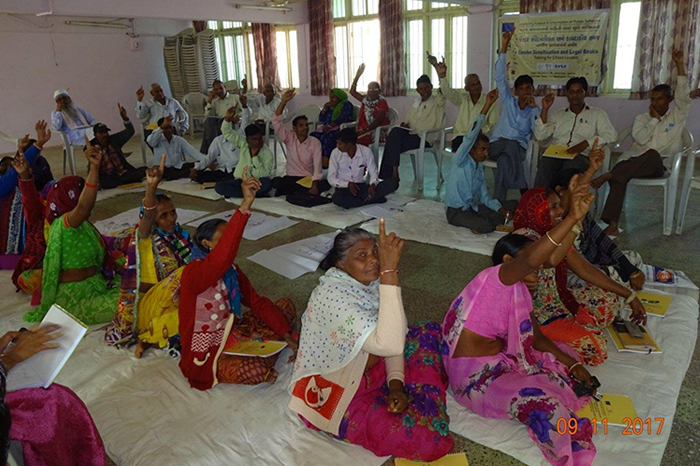
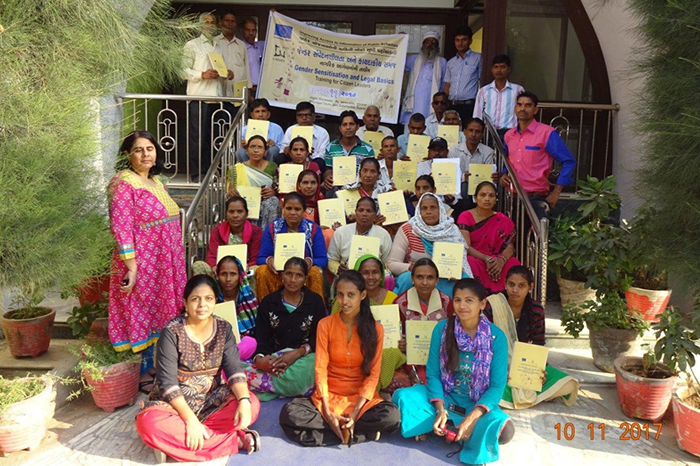
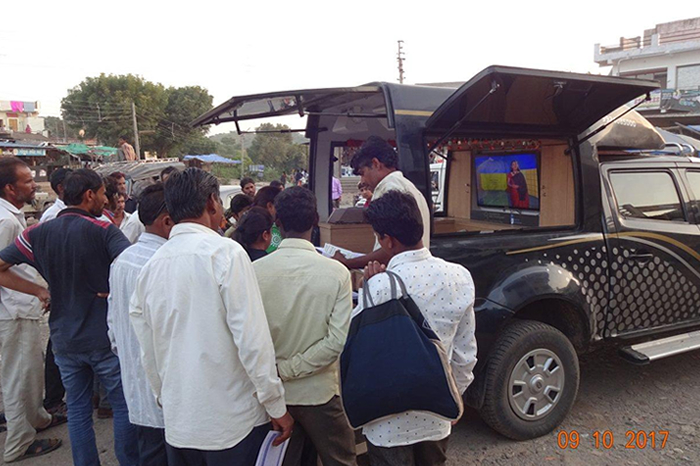
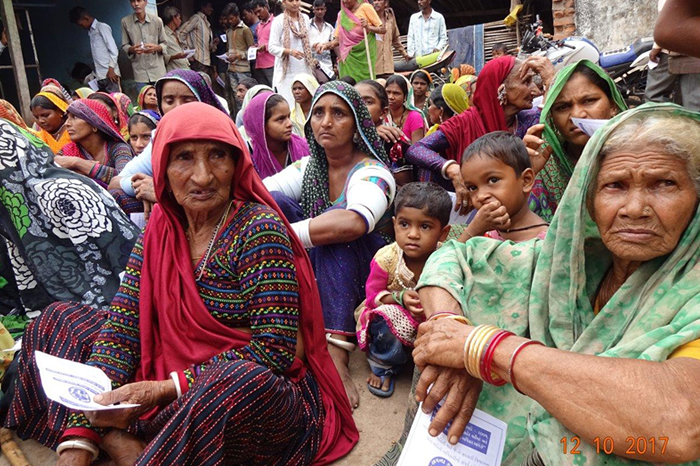
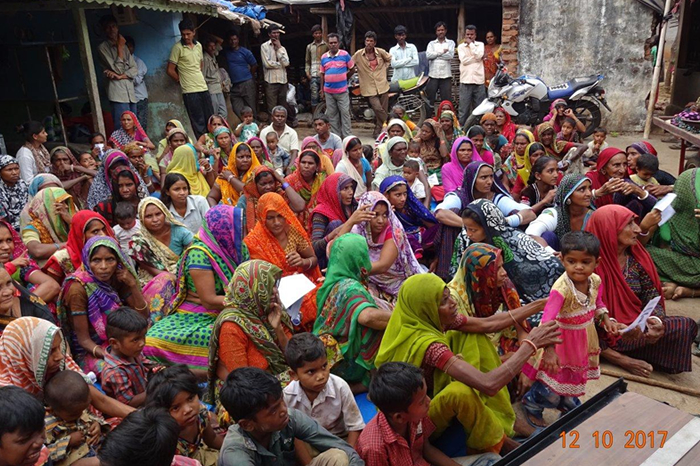
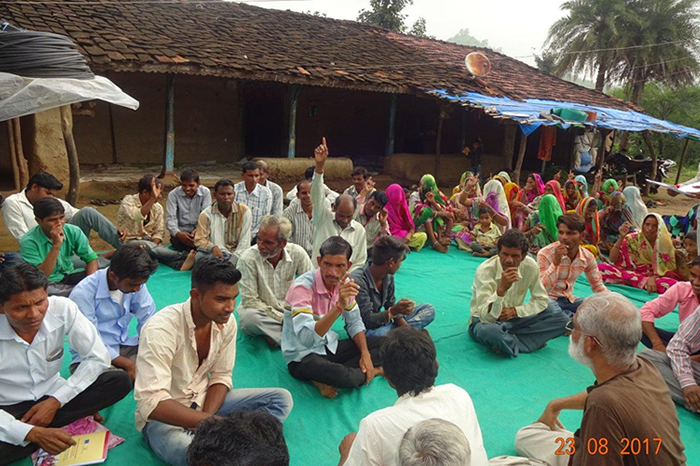
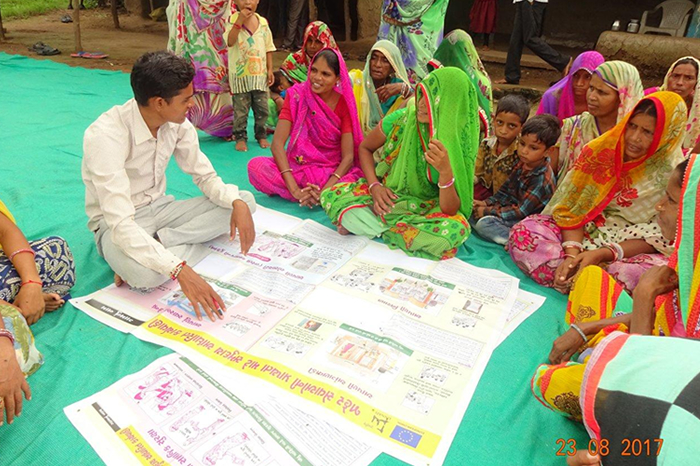
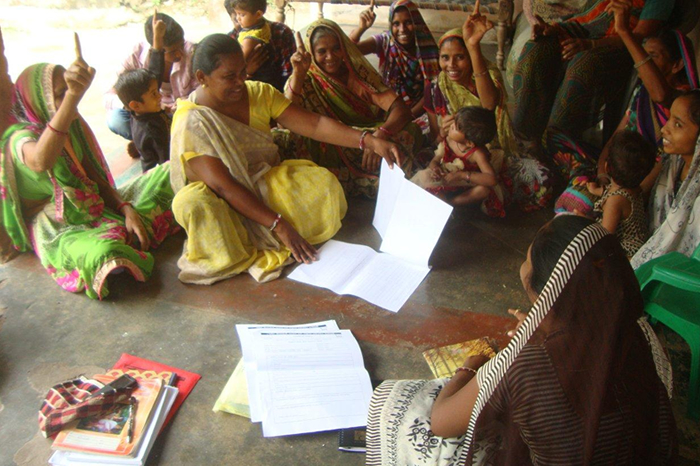
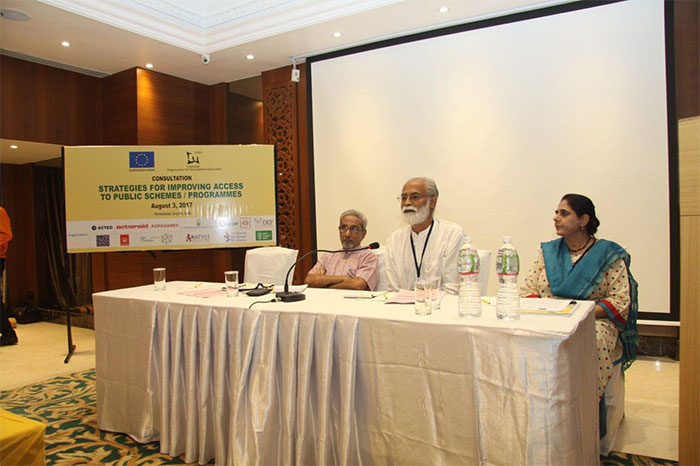
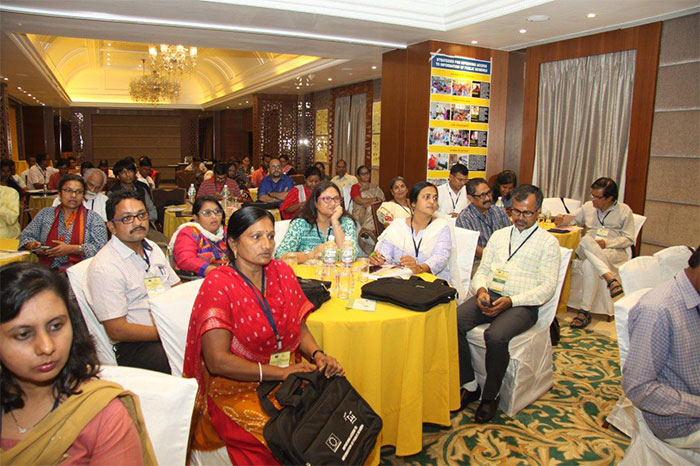
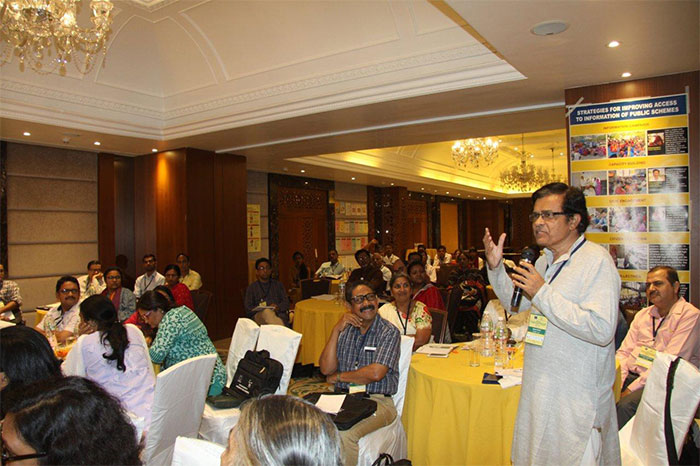
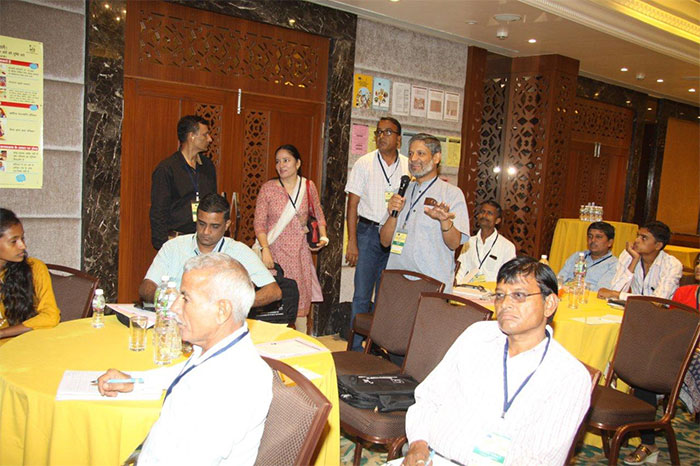
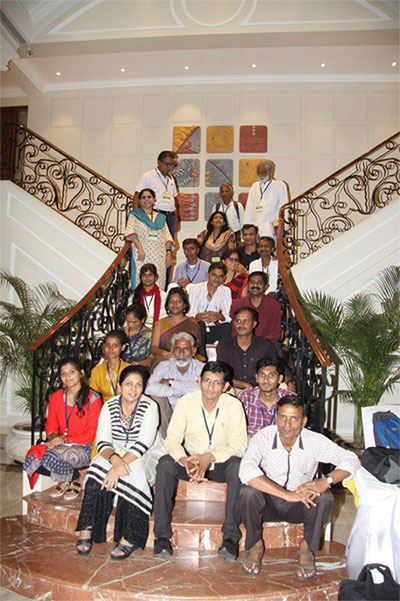
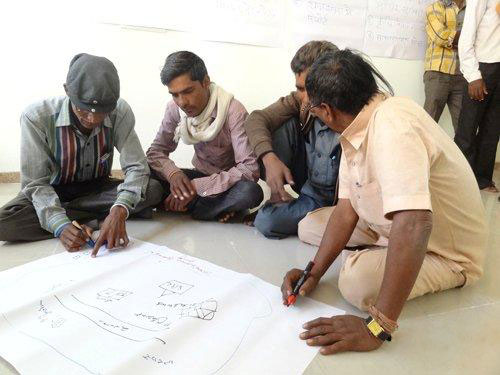
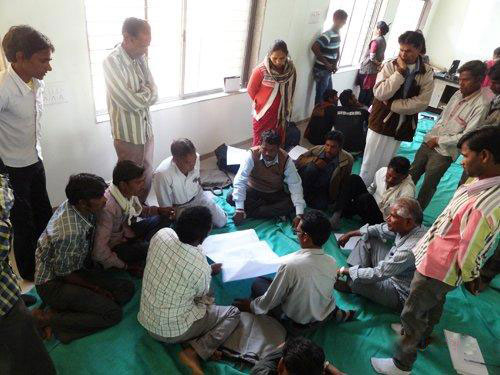
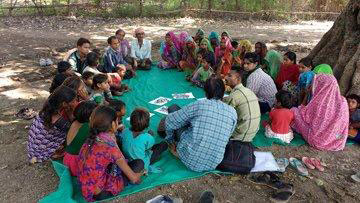
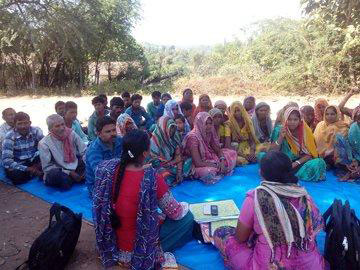
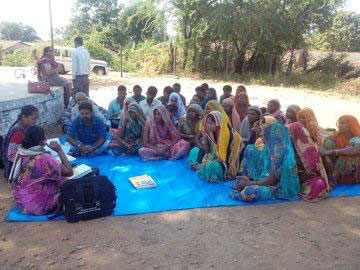
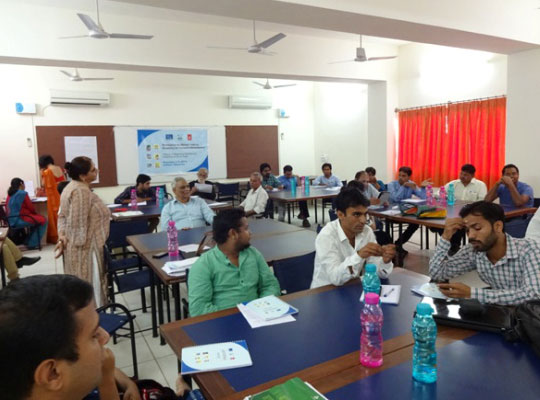
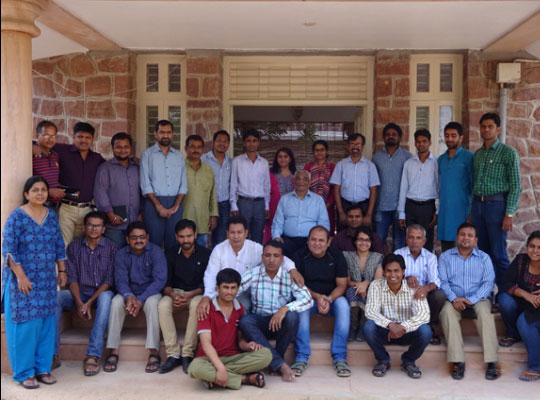
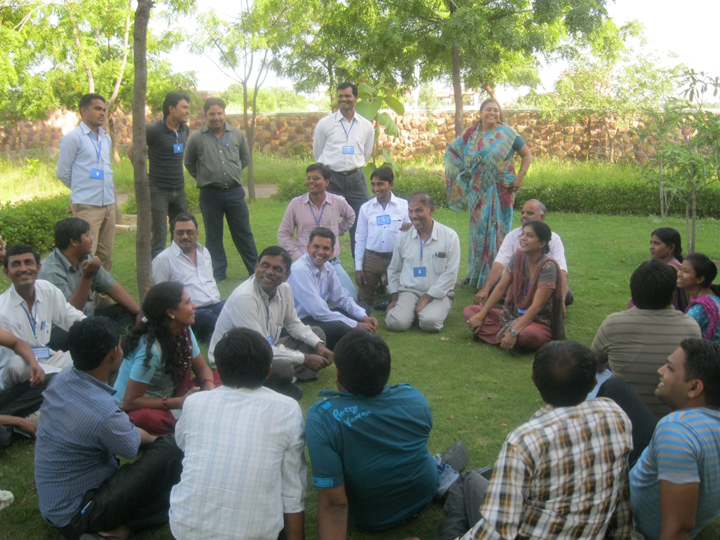
On 8–9 October 2026, a two-day water quality and water testing training was organised for Jal Saheli members in Sam Block of Jaisalmer as part of the Water Security program being implemented in 50 villages. 27 Jal Sahelis members attended the program along with 10 staff members. The training was facilitated by the INREM Foundation to strengthen community-level understanding of drinking water quality, water safety, and local water management practices.
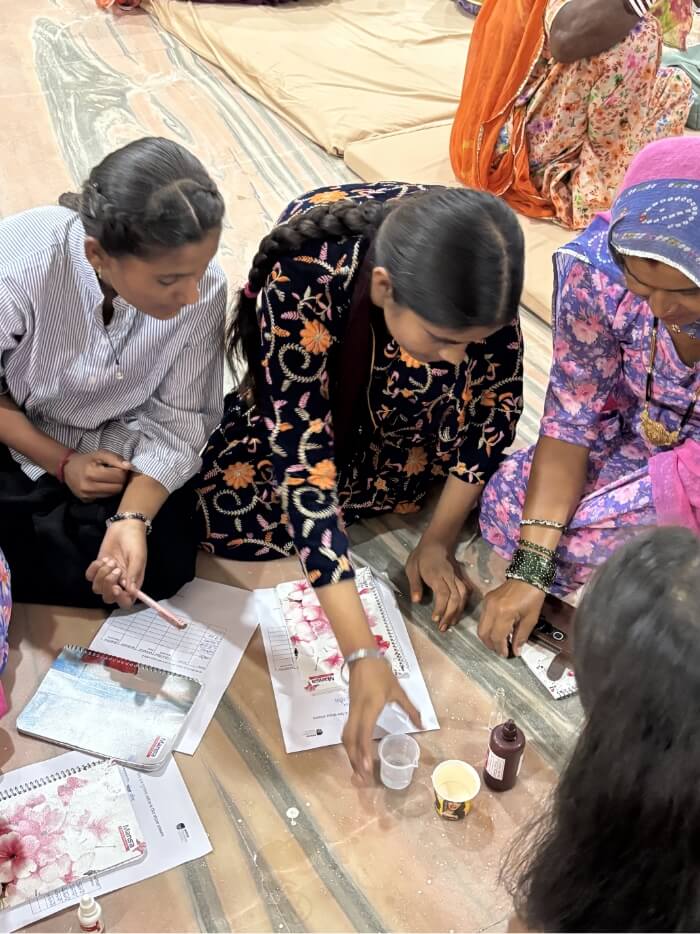
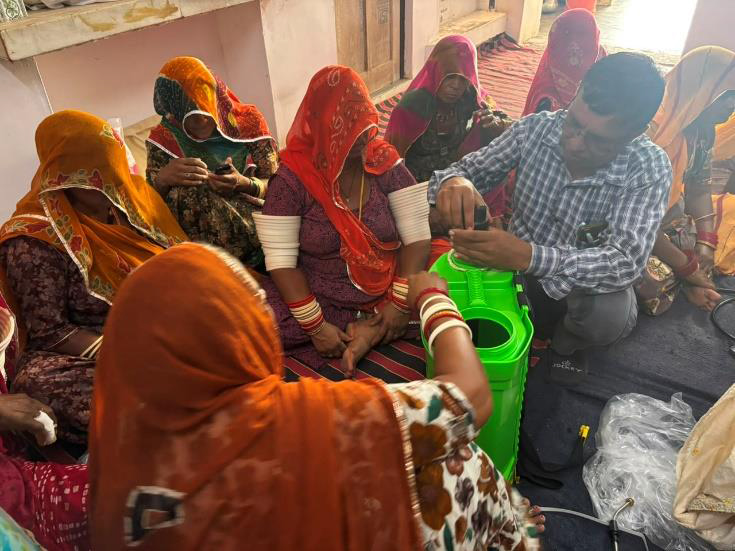
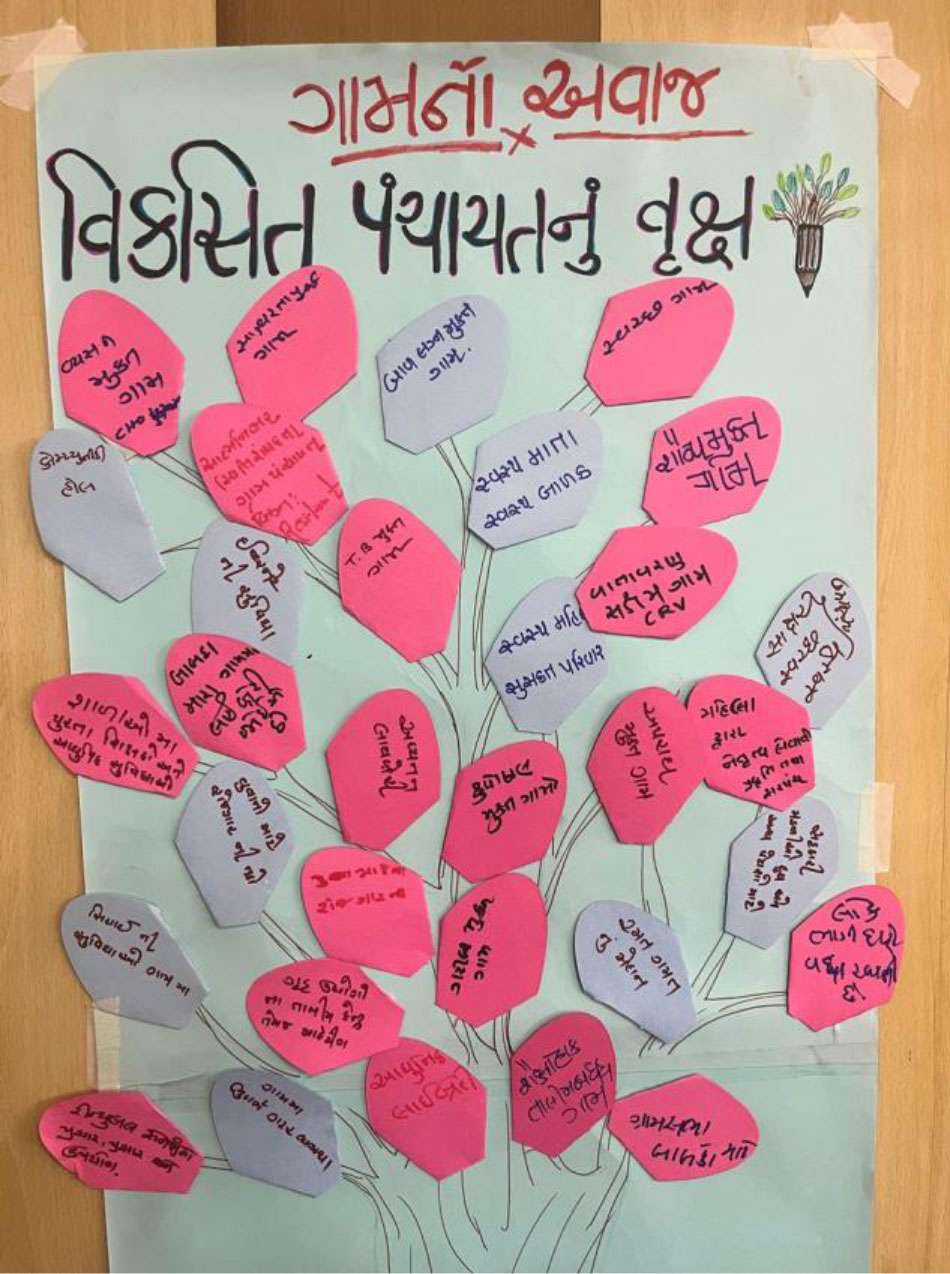
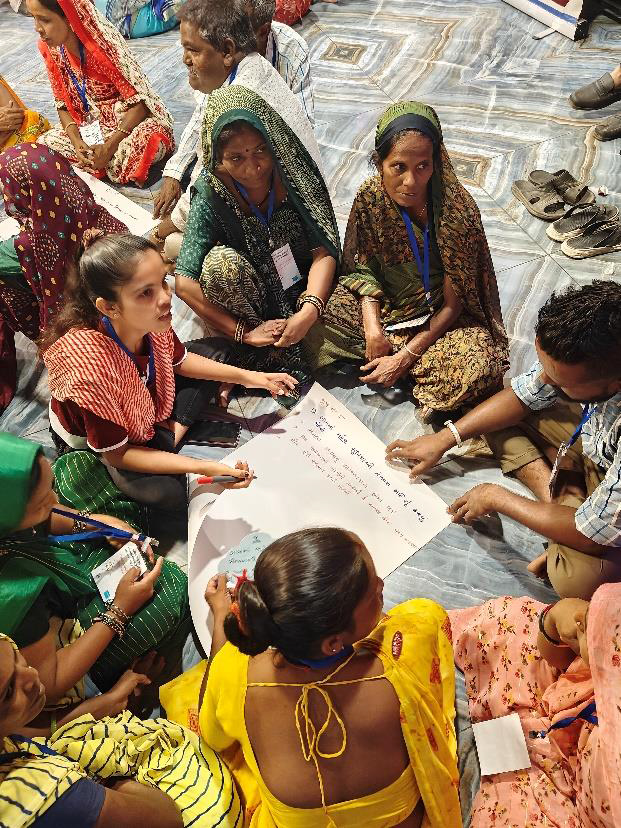
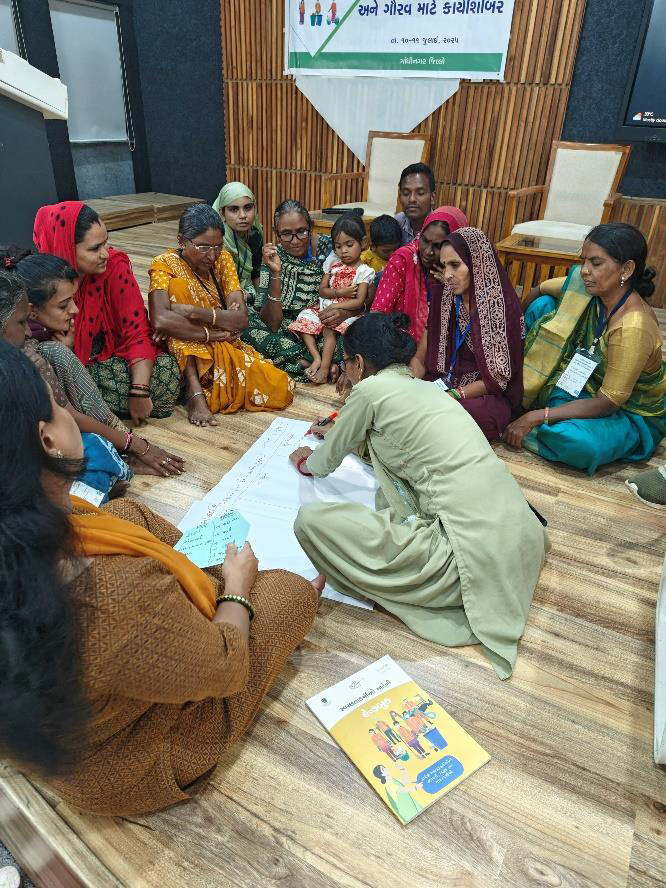
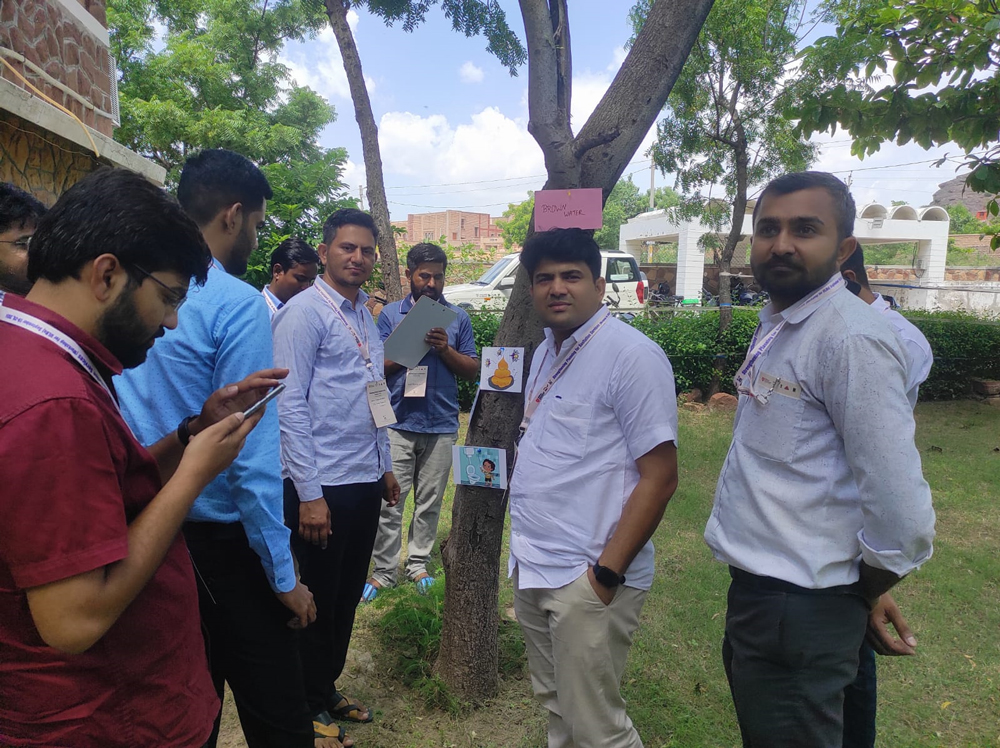
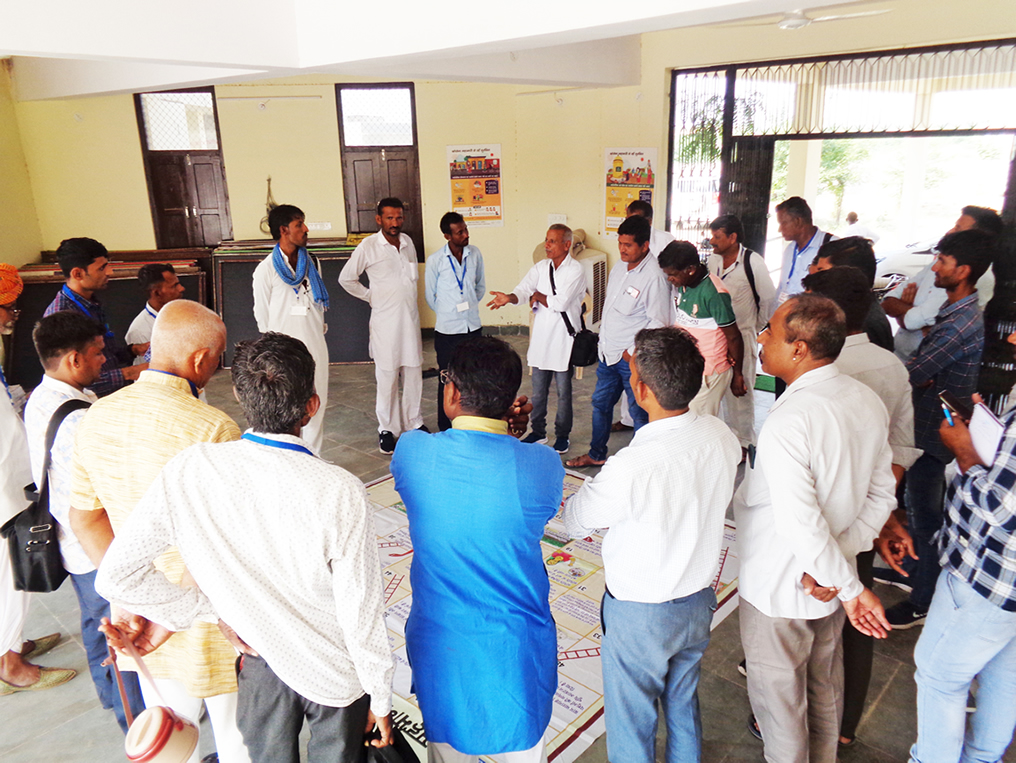
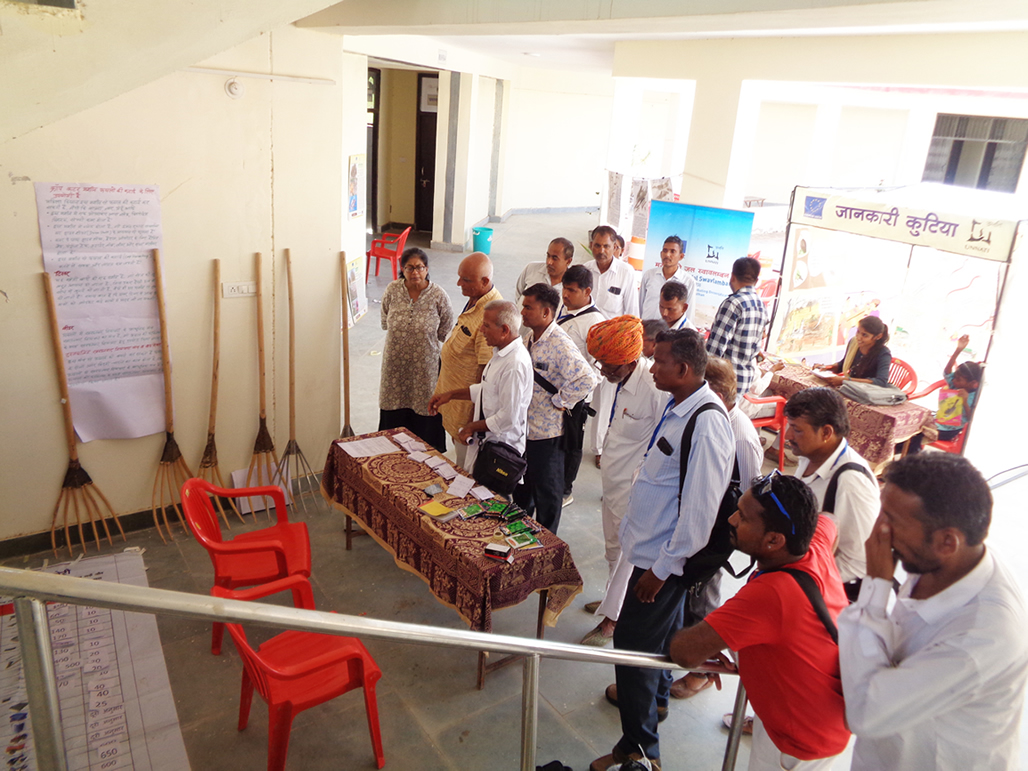
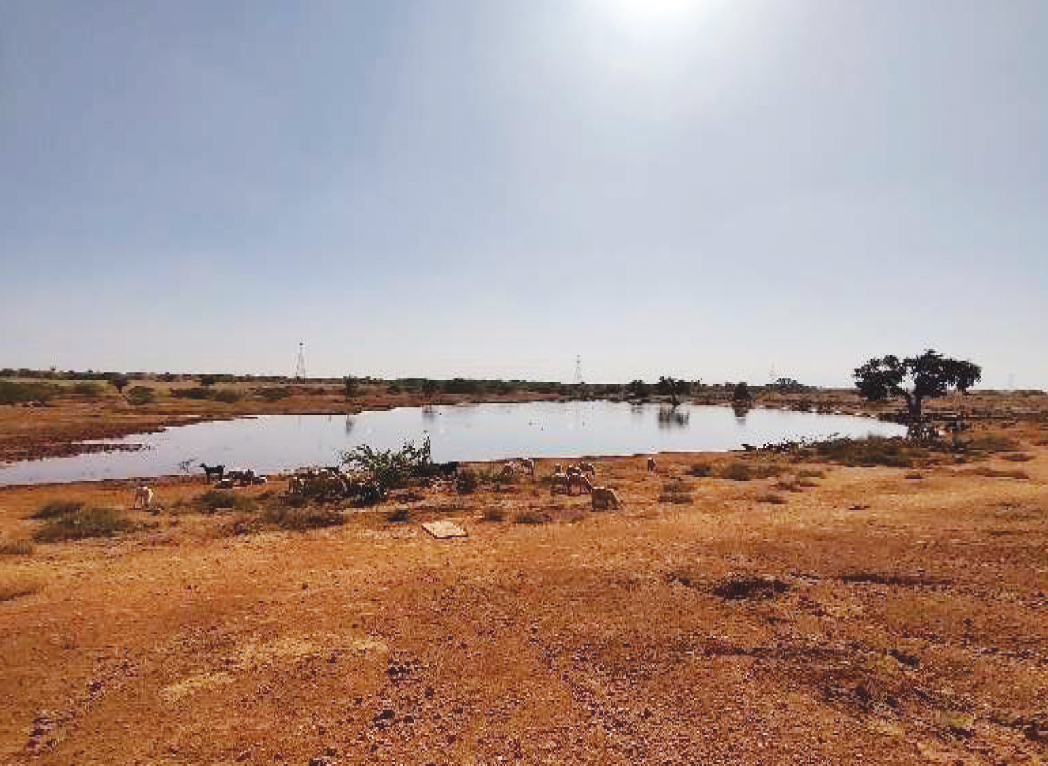
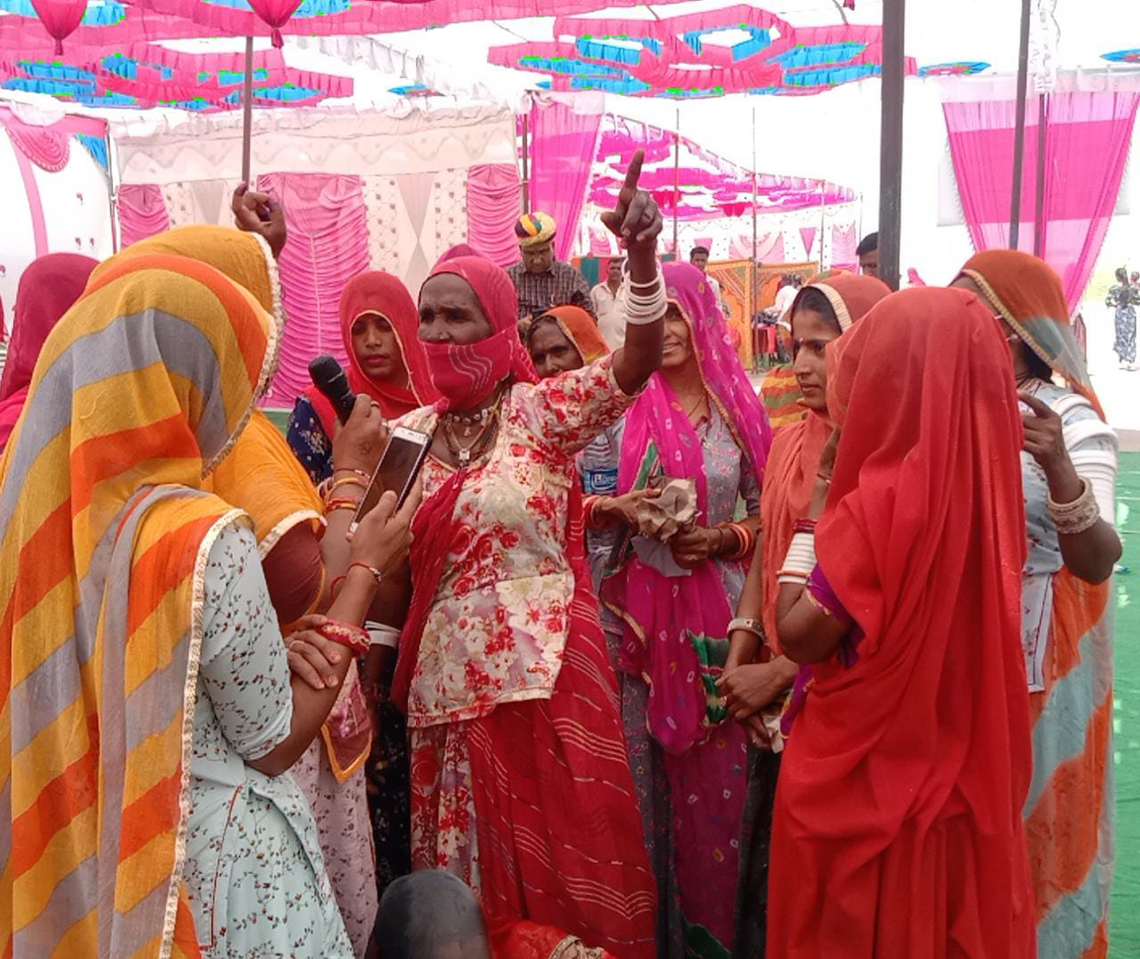
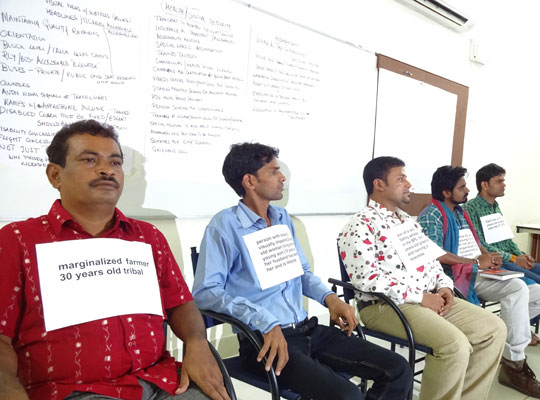
Through participatory discussions, the Jal Sahelis shared their experiences of water availability, water quality challenges, and the difficulties households face in accessing safe drinking water. Discussions also explored the causes of water contamination, its links to waterborne diseases, and the importance of responsible water management. A key component of the training was practical water quality testing. Jal Sahelis brought water samples from different sources - tubewells, Nadis/ ponds, and tankas (traditional underground rainwater storage structures) in their villages and Dhanis. Using water testing kits, they learned about different types of water quality tests, including physical assessment of water, pH testing, Total Dissolved Solids (TDS), and chemical testing for parameters such as fluoride, nitrate, and iron. These tests helped participants understand how water quality can vary across sources and why testing is essential to identify potential contamination and assess the suitability of water for drinking.
The sessions highlighted that water which appears clear and has no unusual smell may still contain dissolved chemicals or minerals that cannot be detected through observation alone. The training also encouraged peer learning - Jal Sahelis exchanging local knowledge, experiences, and approaches to water management. Participants discussed the challenges associated with different water sources and shared ideas for promoting safe water collection, transportation, household storage, and regular monitoring within their villages.
By combining practical demonstrations with participatory discussions, the training strengthened the capacity of Jal Sahelis to promote informed decisions about drinking water safety. Their enhanced understanding of water quality testing and safe water management will enable them to initiate community awareness, improved monitoring of local water sources, and collective efforts to ensure access to safer drinking water.
Building Climate-Resilient Agriculture in the Thar Desert
Date: 18 July, 2026, Rajasthan
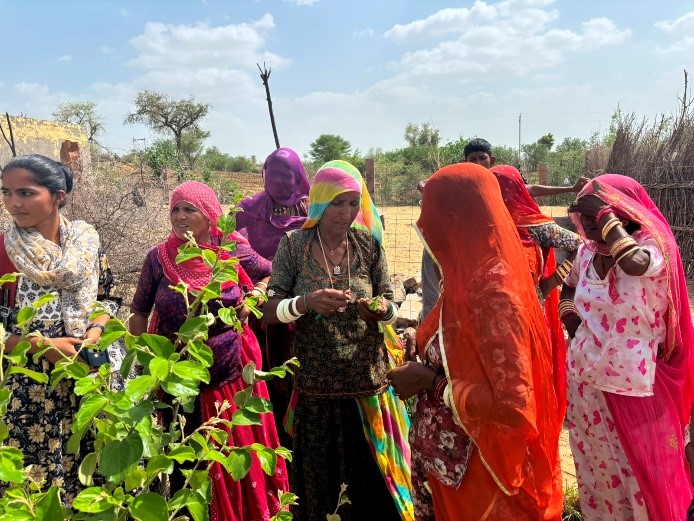
The Thar Desert presents unique agricultural challenges due to extreme climatic conditions, limited rainfall, water scarcity, and fragile soil ecosystems. To support communities in overcoming these challenges, Unnati is promoting Horti-Pasture Plot development as a sustainable and climate-resilient agricultural approach.
Through this initiative, communities are supported with technical knowledge, practical demonstrations, and essential agricultural inputs to improve productivity and strengthen their understanding of improved farming practices.
Unnati supports farmers with coated seeds for better germination and healthy crop growth, pathar patti and wire fencing for plot protection, composting techniques to improve soil fertility, and guidance on insect management practices to reduce crop losses and promote healthier production.
The initiative focuses on helping communities maximize the potential of their land, increase crop productivity, and improve income opportunities by adopting suitable agricultural practices and making efficient use of available resources.
By connecting technical knowledge with field-level practice, Unnati is enabling farmers to build confidence, enhance productivity, and develop resilient farming systems suited to the challenging environment of the Thar Desert. These efforts aim to help farmers increase their agricultural output, strengthen livelihoods, and create sustainable sources of income.
UNNATI Signs MoU with the Government of Rajasthan to Promote Sustainable Agriculture
and Natural Farming
Date: 10 July, 2026, Rajasthan
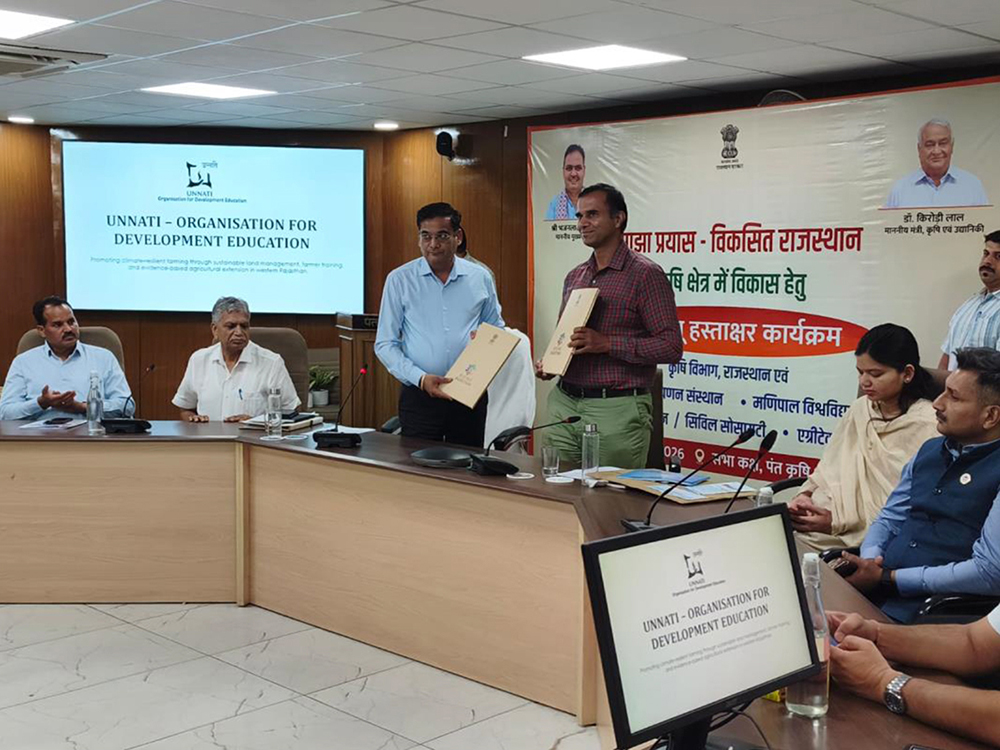
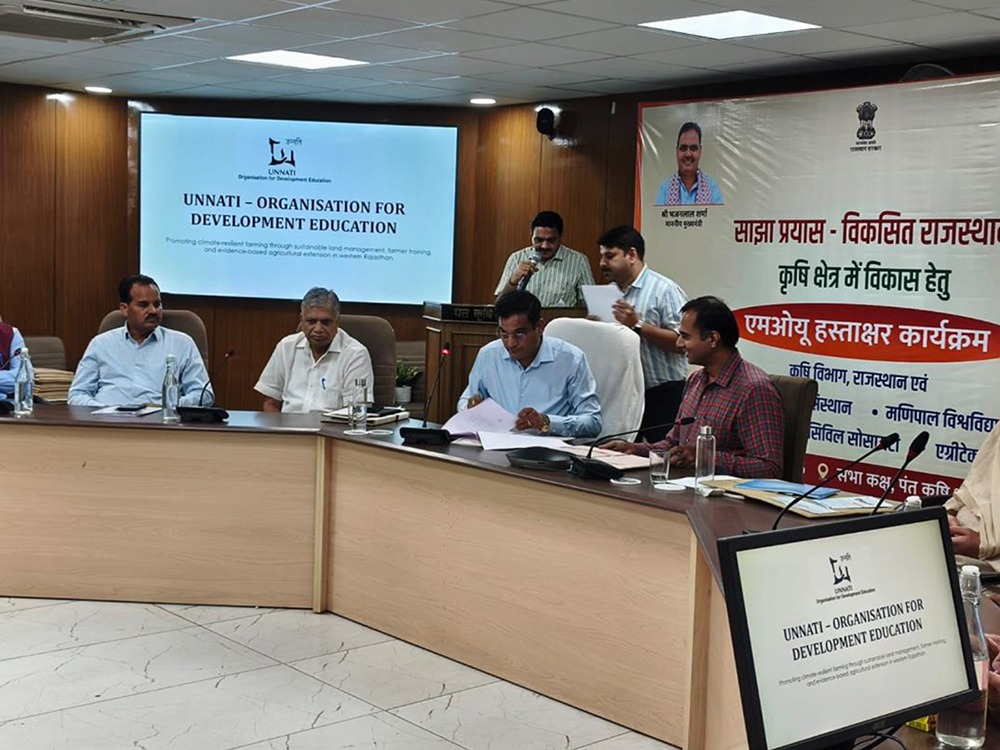
UNNATI signed a non-financial Memorandum of Understanding (MoU) with the Department of Agriculture, Government of Rajasthan, joining 20 other partner organizations in a collaborative initiative to strengthen sustainable agriculture and the management of commons across the state.
The partnership aims to improve farmers' access to government schemes, encourage the adoption of natural farming practices, reduce dependence on chemical inputs, and enhance the resilience of farming communities to the impacts of climate change. The initiative also brings together government departments, agricultural universities, agricultural marketing institutions, NGOs, and agritech startups to foster knowledge sharing, innovation, and coordinated action.
The MoU signing ceremony was attended by Ms. Manju Rajpal, Secretary, Agriculture Department; Mr. Naresh Goyal, Commissioner of Agriculture; and Ms. Shweta Chauhan, Commissioner of Horticulture, who emphasized the importance of multi-stakeholder partnerships in advancing sustainable and climate-resilient agriculture in Rajasthan.
Through this collaboration, UNNATI will contribute its experience in community engagement, participatory governance, and sustainable rural development to support the effective implementation of government initiatives and strengthen the livelihoods of farming communities.
This partnership reflects UNNATI's continued commitment to promoting sustainable
agriculture, protecting natural resources, and building resilient rural communities across
Rajasthan.
Empowering Women Farmers Through Sustainable Agriculture in Western Rajasthan (Thar Desert)
Date: 07-08 July, 2026, Rajasthan
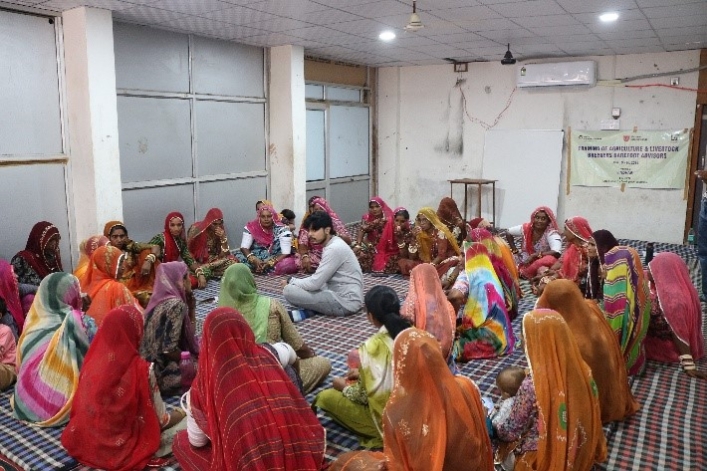
The Kheti Sathan Meeting at Patodi Block Office, Western Rajasthan (Thar Desert), focused on strengthening women farmers through sustainable agriculture, practical learning, and entrepreneurship.
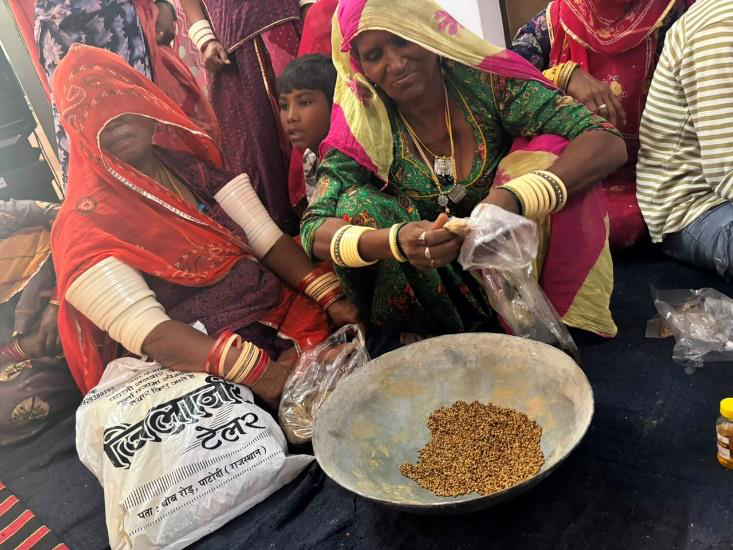
The discussions covered bio-fertilizer preparation, composting, seed coating, and waterefficient farming practices through field demonstrations. Special emphasis was given to promoting Bagwani (horti-pasture) as a livelihood opportunity and Kitchen Gardens to improve household nutrition and food security.
A key objective of the meeting was to prepare women farmers to become microentrepreneurs by building agriculture-based livelihoods and planning for long-term income generation. Women were also inspired to become Barefoot Agriculture Extension Service Providers, enabling them to provide technical support, demonstrate sustainable farming practices, and work towards becoming Lakhpati Women Farmers.
In the challenging agro-climatic conditions of Thar Desert in Western Rajasthan, empowering women with knowledge, practical skills, and entrepreneurial thinking is an important step towards building resilient livelihoods and sustainable agriculture.
Water Quality Intervention Training
Date: 01 July, 2026, Jodhpur
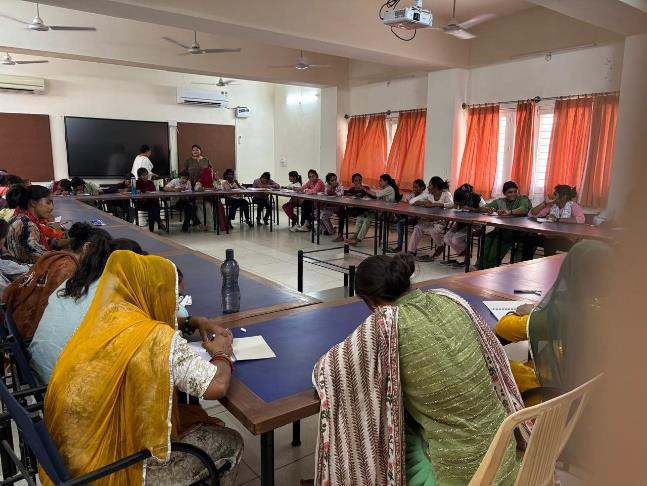
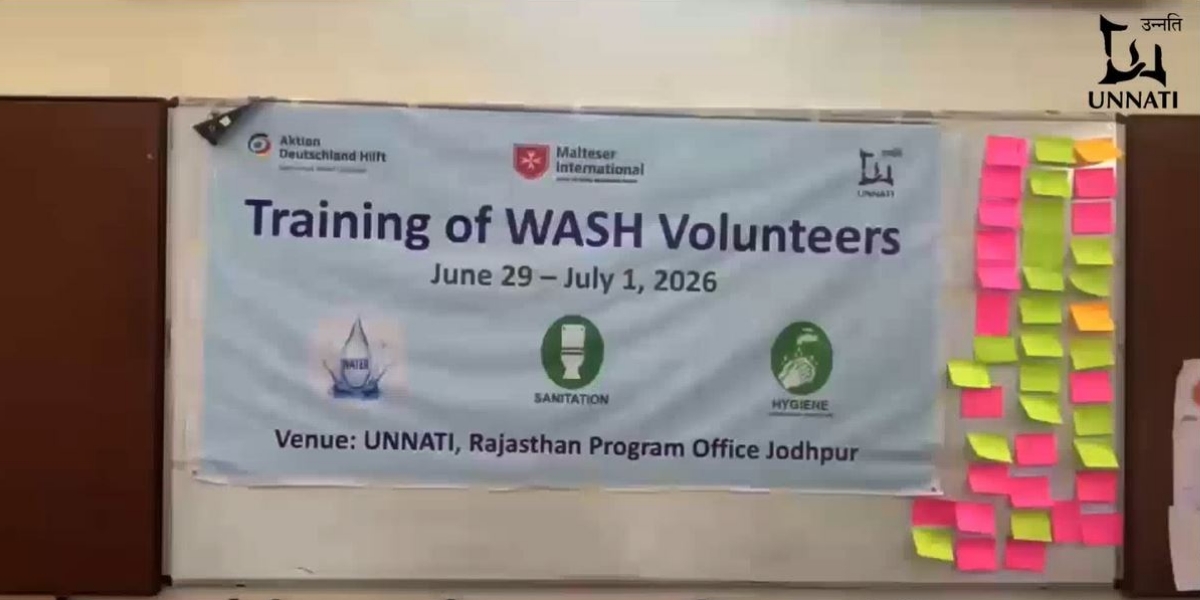
On 1 July 2026, Unnati Organization conducted a Water Quality Intervention Training at its Jodhpur Program Office for 36 Kurja-WASH volunteers from the Patodi and Sindhari blocks of western Rajasthan. The Kurja-WASH volunteers work closely with pregnant women, and their families to promote awareness on safe drinking water, sanitation, hygiene, and healthy practices. The training aimed to strengthen their understanding of water quality and equip them with practical knowledge to support their community outreach.
The session covered key aspects of water quality, including common contaminants such as fluoride, arsenic, iron, salinity, and nitrate, their health implications, water quality standards, sample collection methods, field testing using Field Testing Kits (FTKs), and simple household water treatment practices. Through interactive discussions and practical demonstrations, participants gained practical knowledge that they can confidently apply while working with communities.
The knowledge and skills gained through this training will enable the volunteers to identify basic water quality concerns, promote safe drinking water practices, and encourage healthy water, sanitation, and hygiene (WASH) behaviors among the families they support. By strengthening the capacity of community volunteers, Unnati Organization continues to advance its commitment to improving community health and fostering sustainable change across western Rajasthan.
▶
Training on Adolescent Health and Hygiene
Date: 29-30 June, 2026, Jodhpur
Unnati, in collaboration with Chetna Organisation, conducted a two-day Adolescent Health and Hygiene Training on 29–30 June 2026 at the Jodhpur Program Office for 36 Kurja-WASH Volunteers from the Patodi and Sindhri blocks of Western Rajasthan. The training aimed to strengthen adolescents' knowledge, practical skills, and leadership capacity to promote health, hygiene, nutrition, and well-being within their communities.
The training covered a range of topics critical to adolescent health and development, including adolescent reproductive health, menstrual hygiene management, balanced nutrition, anaemia and haemoglobin awareness, communicable diseases and their transmission, personal and oral hygiene, handwashing, safe drinking water, and healthy lifestyle practices. The sessions provided participants with practical knowledge and skills that can be applied in their daily lives and shared within their communities.
Designed around participatory learning methods, the programme included interactive discussions, group activities, demonstrations, practical exercises, and experience-sharing sessions. These approaches encouraged active participation, strengthened understanding of key health and hygiene concepts, and built confidence among the volunteers.
Kurja-WASH Volunteers are adolescent community volunteers who promote safe water, sanitation, and hygiene (WASH) practices while encouraging healthy behaviours among children, families, and community members. As peer educators, they play an important role in raising awareness, fostering positive behavioural change, and supporting healthier communities.
Through this training, the volunteers enhanced their knowledge, communication, and leadership skills, enabling them to effectively promote adolescent health, hygiene, and WASH practices in their respective villages. The initiative reflects Unnati's continued commitment to empowering young people as agents of change and strengthening community-led efforts towards improved health and well-being across Western Rajasthan.
Training of Pashu Sakhi (Community Educator on Animal Husbandry)
Date: 09-10 June, 2026, Sindhari, Rajasthan
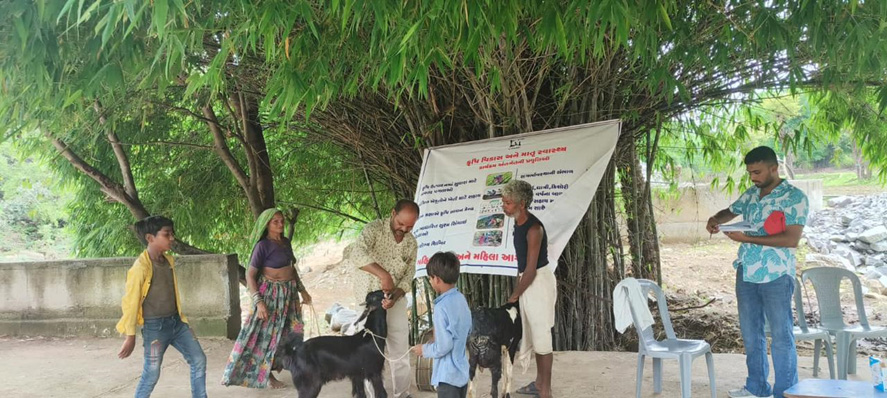
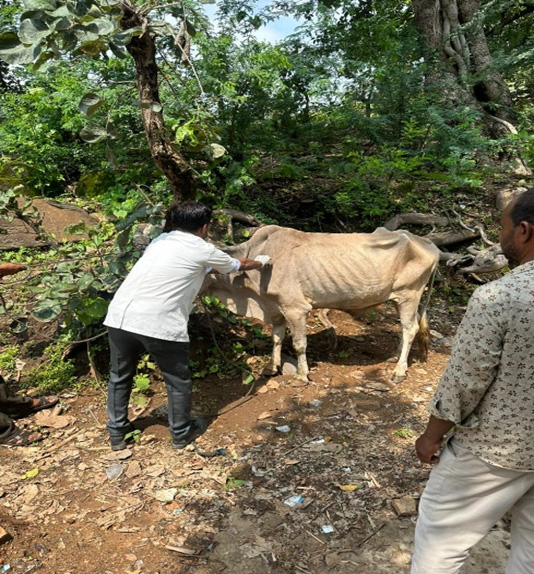
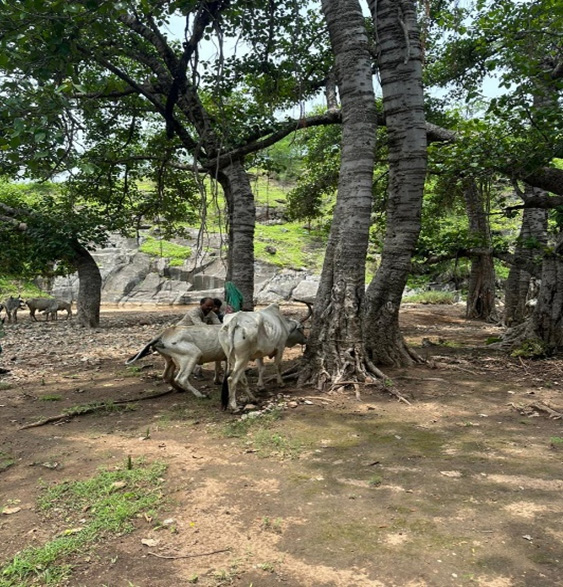
Under initiative to strengthen food and nutrition security in Balotra block of Barmer district, Rajasthan, an effort has been being made to develop Pashu Sakhi (Community Educator on Animal Husbandry). These are women leaders who are supporting farmers with livestock on for animal health, hygiene, vaccination and nutritious food for their animals etc. through information and other support. As part of their capacity building initiative, a two-days training was conducted in Sindhari Block, Balotra, Rajasthan, with the participation 40 Pashu Sakhis. The training focused on goat health and management practices, including nutrition, deworming, vaccination, and colostrum feeding. Participants actively discussed common diseases such as PPR, Khur Pakka-Muh Pakka, diarrhea, and bloat, while learning preventive measures and locally available treatment methods. Special emphasis was placed on reducing goat mortality, improving productivity, and promoting sustainable goat-rearing practices. The session also highlighted collective marketing strategies, better income opportunities through planned goat sales during Bakra Eid, and awareness of government livestock schemes. The training proved highly interactive and strengthened the knowledge and practical skills of participants for improved and sustainable livelihoods.
One-Day State Consultation on Management of Solid Waste, Faecal Sludge, and Septage
Date: 29 December, 2025
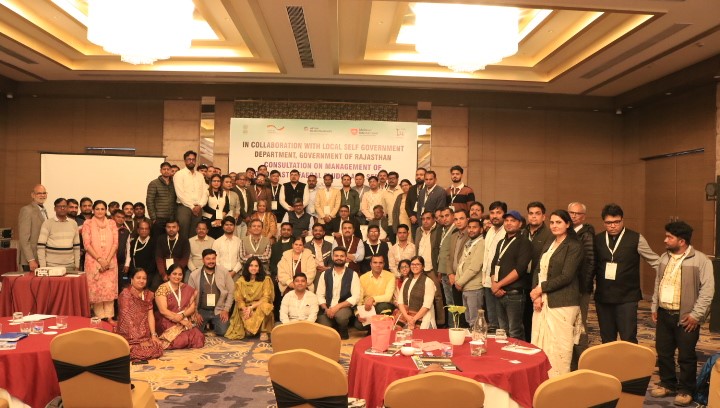
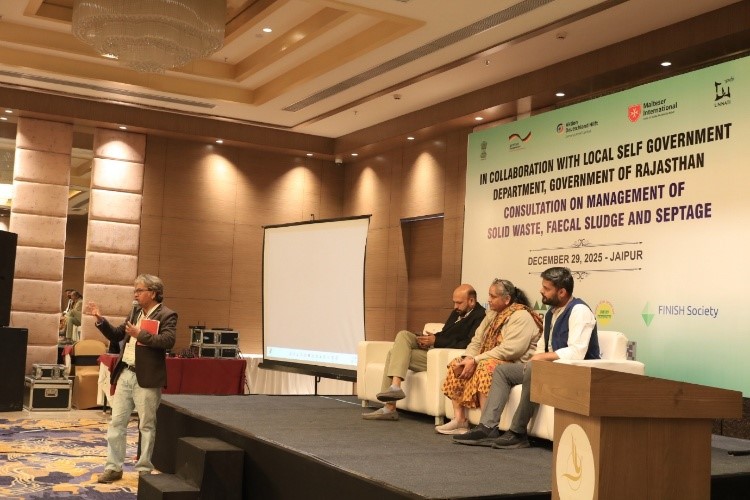
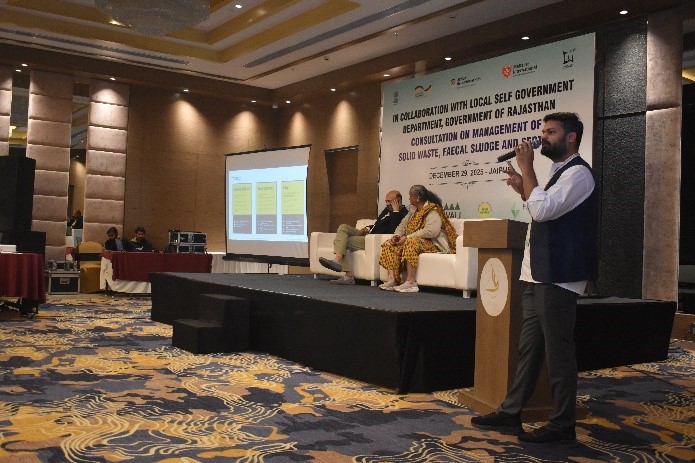
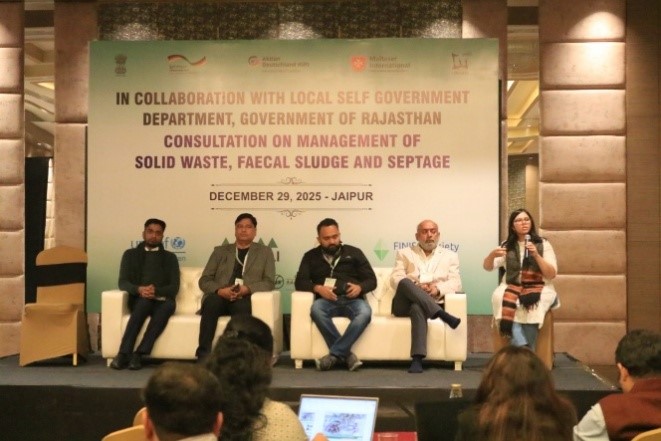
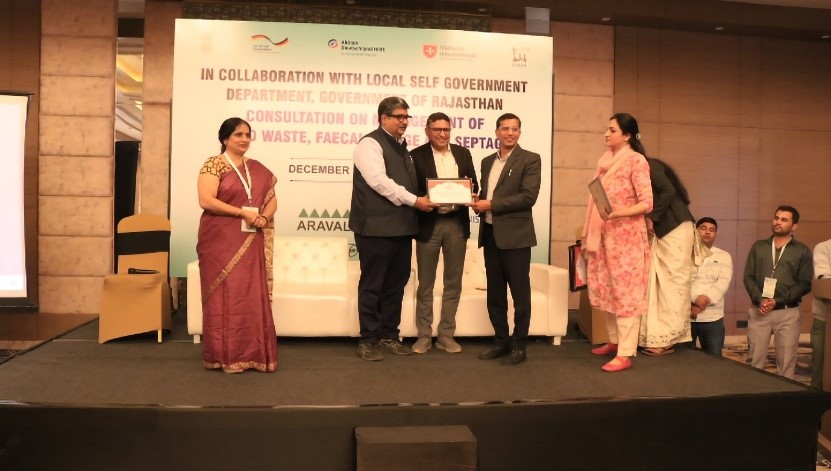
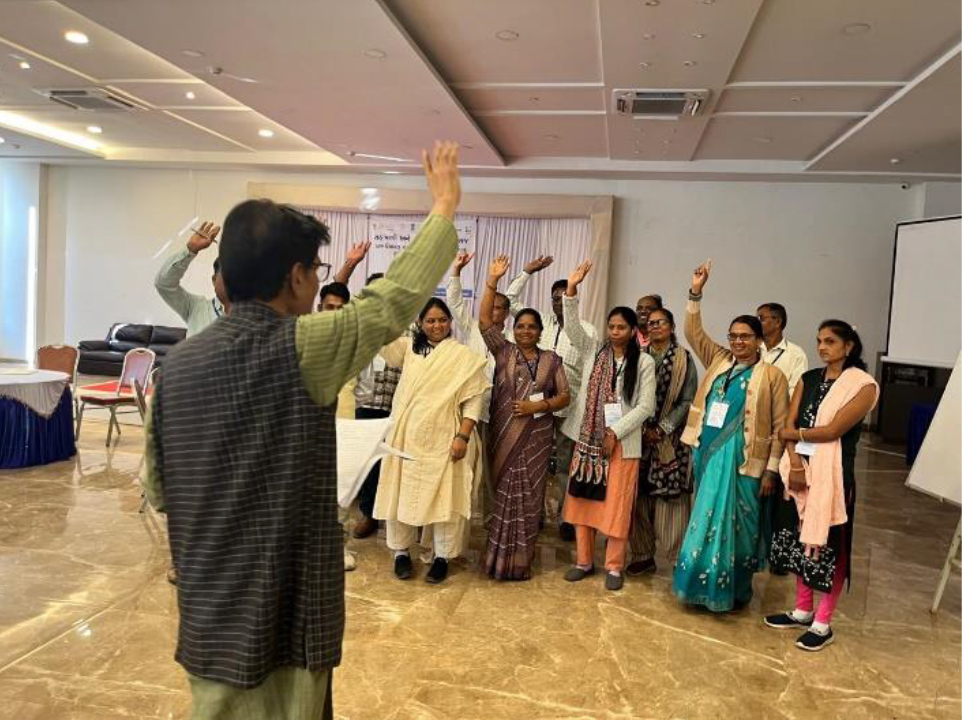
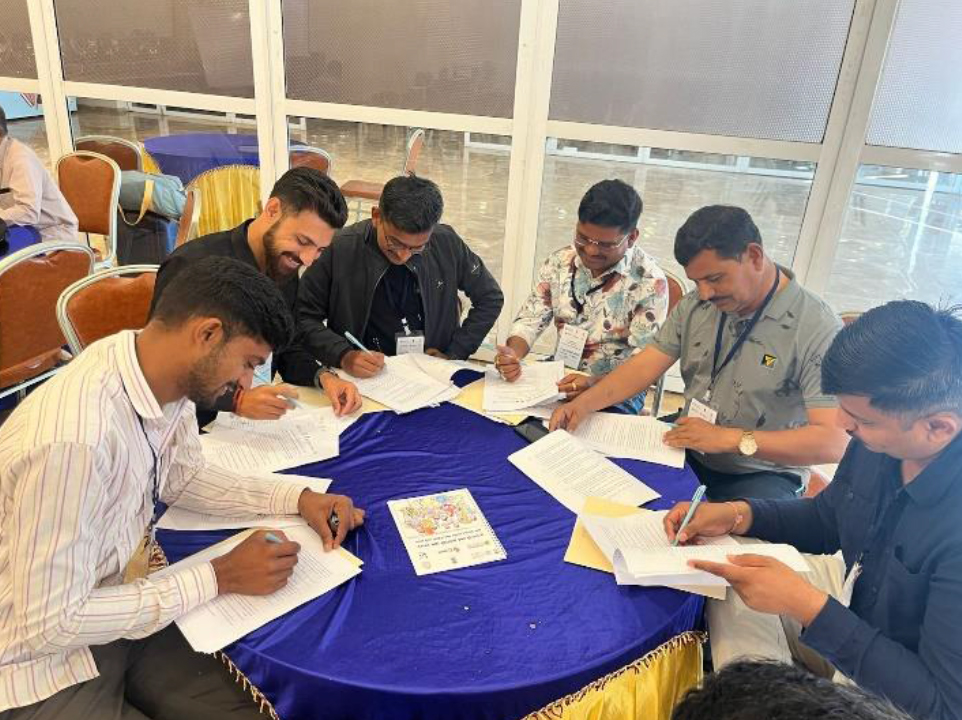
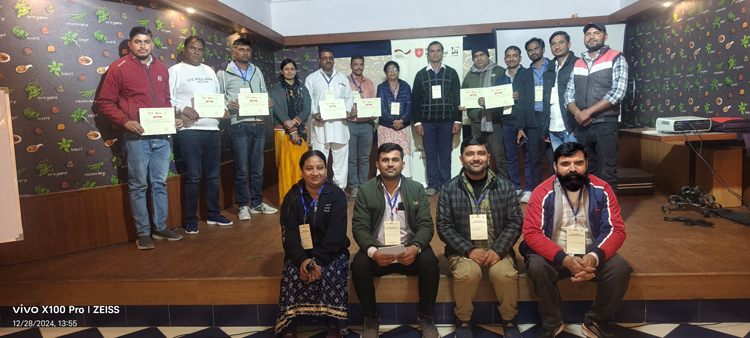
UNNATI, in collaboration with the Department of Local Self Governance, Government of Rajasthan, and Rajasthan CMC Partners of UNICEF, organised a one-day state-level consultation on “Management of Solid Waste, Faecal Sludge, and Septage” on 29 December 2025 at Hotel Cygnet Park BL, Jaipur. The consultation brought together 165 participants, including representatives from Urban Local Bodies (ULBs), state government departments, civil society organisations, and sanitation sector practitioners.
The consultation was organised in the context of Rajasthan’s ongoing efforts to strengthen urban sanitation and solid waste management systems, with a focus on inclusivity, sustainability, and accountability. Drawing from UNNATI’s three-year engagement in 12 Urban Local Bodies of Jodhpur Division under the Urban WASH programme, the consultation provided a platform for cross-learning on system strengthening and rights-based approaches to sanitation service delivery.
The programme was structured around three thematic panel discussions focusing on (i) inclusion of waste pickers and sanitation workers in solid waste management systems, (ii) strengthening sanitation services through community participation, and (iii) capacity building of Urban Local Bodies. Experiences and best practices were shared from Pune, Davanagere, Odisha, Udaipur, Dungarpur, and Abu Road, highlighting models related to worker integration, decentralised faecal sludge and septage management, community-led sanitation initiatives, and institutional strengthening.
The discussions underscored the importance of formal recognition of sanitation workers, community participation, decentralised infrastructure, and capacity enhancement of ULBs to achieve inclusive and sustainable sanitation outcomes. The consultation concluded with reflections from senior government officials and reaffirmed the need for continued collaboration between government institutions and civil society organisations to strengthen urban sanitation systems in Rajasthan.
2 Day Residential Workshop at Kevadia, Narmada
Date: 18-19 December, 2025
UNNATI, in partnership with the Kaivalya Education Foundation (KEF) and Capacity Building Commission (CBC), Government of India, successfully conducted a two-day residential capacity building workshop under the Viksit Panchayat initiative on December 18-19, 2025 at Ekta Nagar (Kevadia), Gujarat. The workshop brought together around 40 Sarpanches and Talatis from 15 selected Gram Panchayats of Dediapada block (Narmada district) and Rapar block (Kutch district), including 8 women members. Designed as the first phase of a year-long pilot, the programme aimed to strengthen participatory, inclusive, and citizen-centric governance at the Gram Panchayat level through sustained engagement, peer learning, and reflection across diverse local contexts.
Over the two days, participants engaged in interactive sessions on effective conduct of Gram Sabhas, participatory Gram Panchayat Development Planning (GPDP), localisation of Sustainable Development Goals (LSDGs), the Panchayat Advancement Index (PAI), and the use of digital governance platforms. Through role plays, group discussions, visual media, and experience sharing, the workshop encouraged Panchayat representatives and functionaries to move beyond infrastructure-focused development and reflect on transparency, accountability, and citizen participation as core governance principles. The residential format enabled open dialogue and strengthened coordination between elected representatives and Panchayat secretaries. The learnings and insights from this workshop will inform subsequent field-level handholding and thematic support under the Viksit Panchayat initiative.
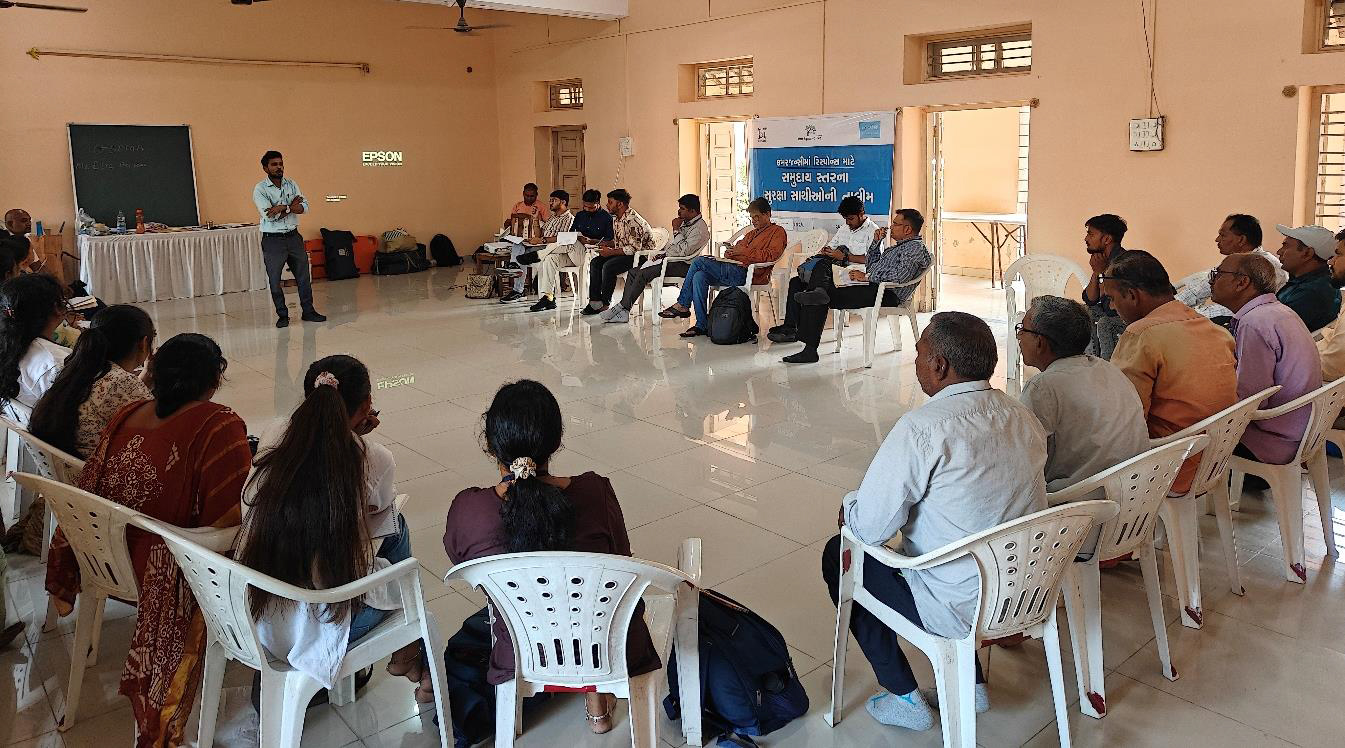
Training of Suraksha Saathis for Anand, Bharuch & Vadodara
Date: 4 – 6 November, 2025
Anand, Bharuch and Vadodara are prone to flash floods and are at risk of industrial disasters because these districts are saturated with industries. In the Inter Agency Group (IAG), Gujarat meeting of Nov 2024 it was discussed that A 3 – day Suraksha Saathi Training needs to be conducted for the Vadodara Cluster.
This need emerged because during the monsoons because of extreme Inundation in the aforementioned Urban areas often a need emerges for immediate Search, Rescue and response.
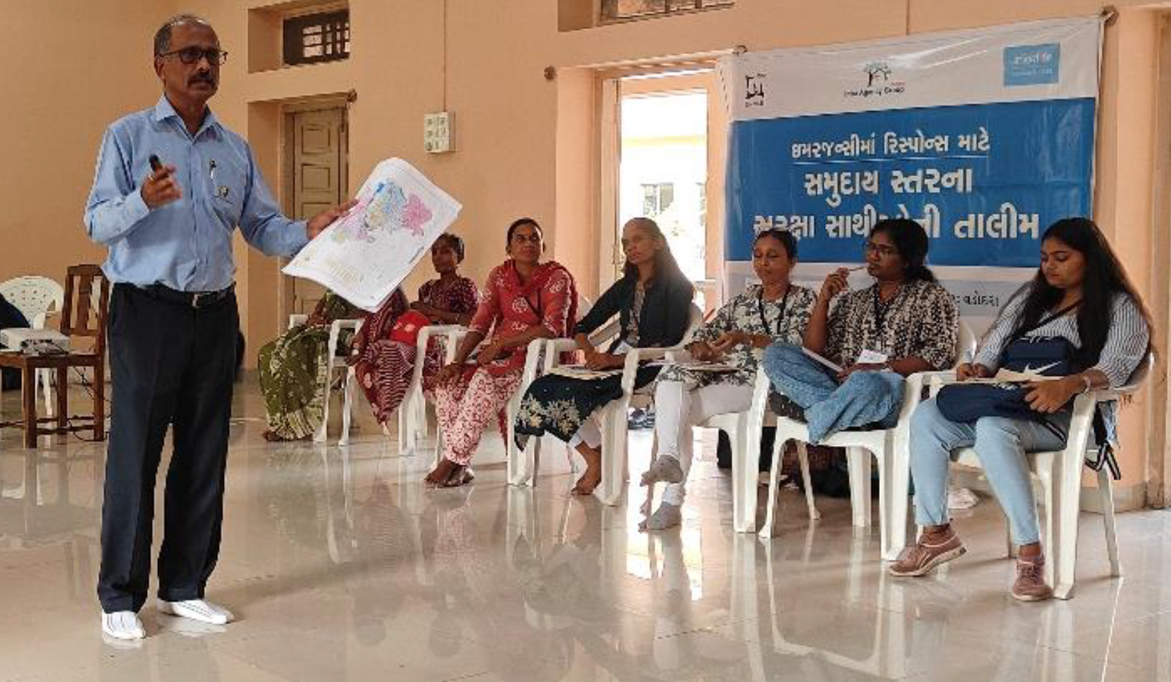
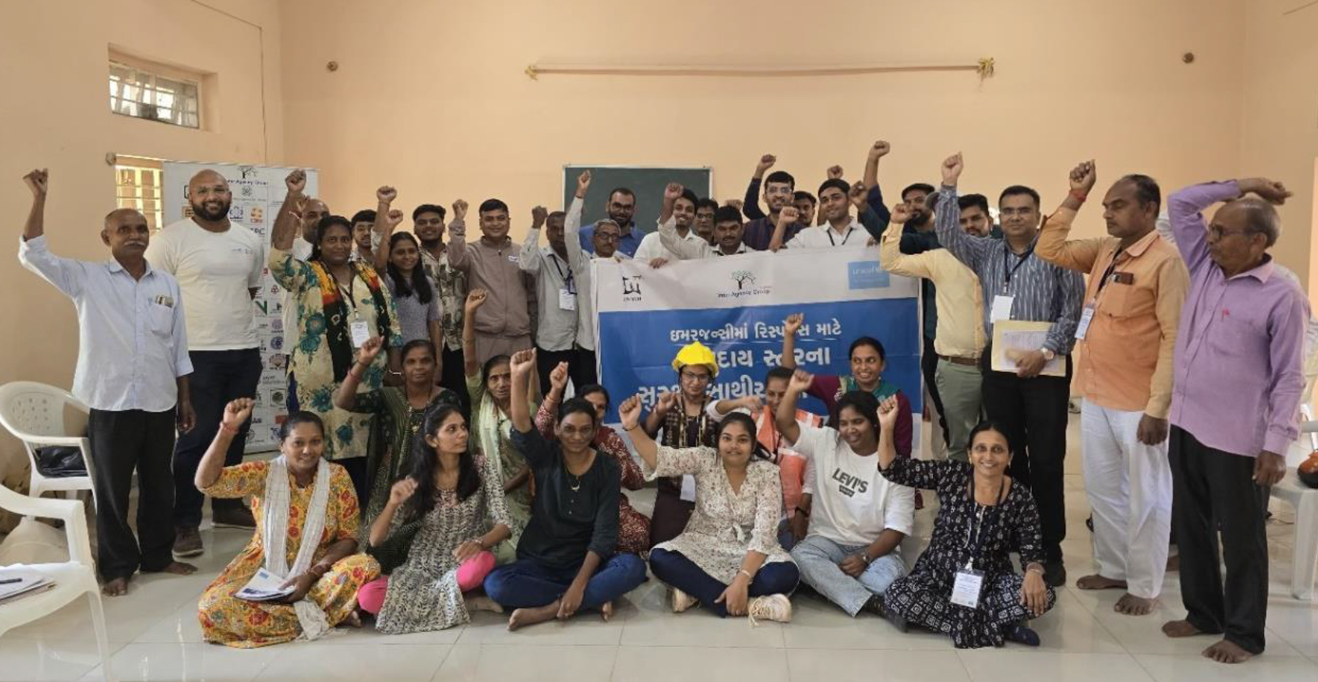
A training program was held for local Volunteers to orient them as Suraksha Saathis. They were identified and mobilized by IAG Members from the aforementioned districts.
Who is a Suraksha Saathis?
A Suraksha Saathi is a trained community volunteers who have been already serving as local development workers. They are equipped with
the necessary skills to identify risks,
carry out rescue operations,
provide immediate assistance to affected individuals and families during emergencies.
Details of the Event
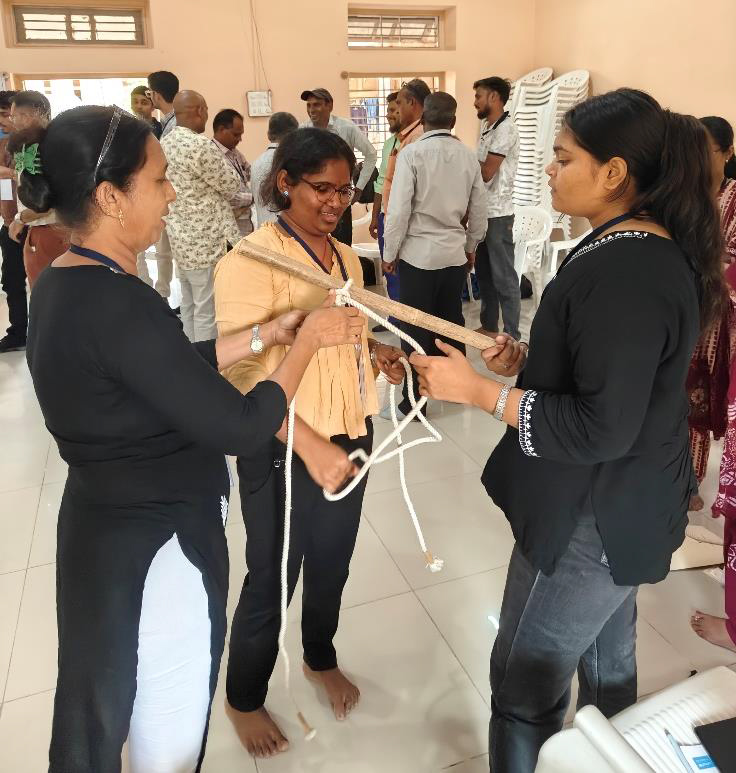
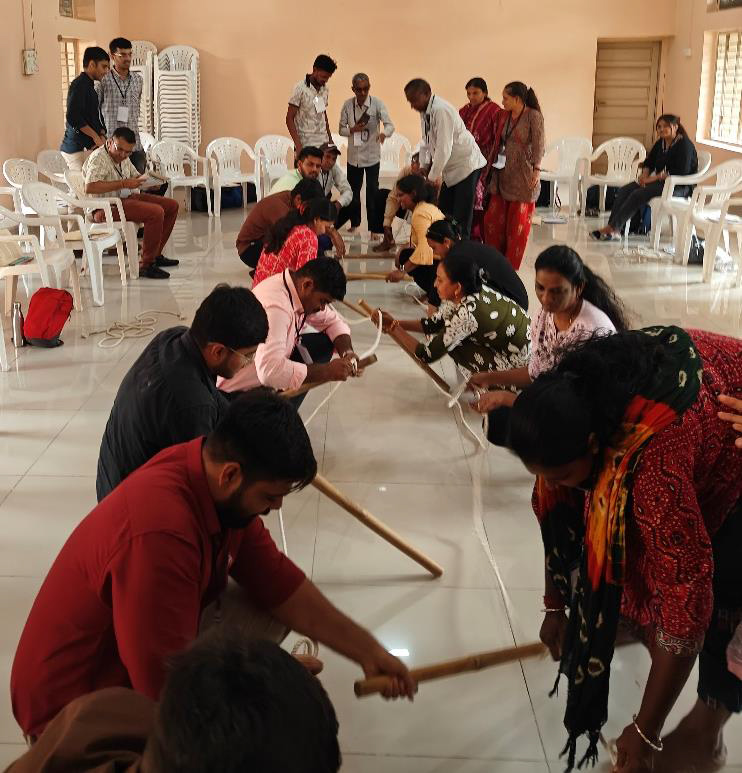
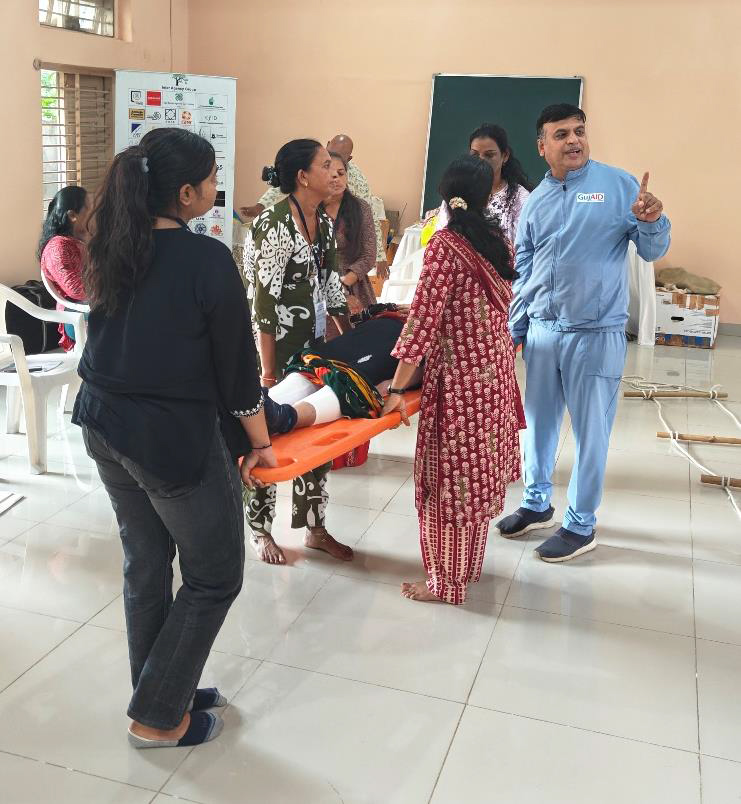
A 3-day workshop was organized in Vadodara to train the local volunteers on First Aid, Search & Rescue (SAR), DRM Cycle, Fundamentals of Industrial Risk Management & Identification, sensitization and management of animals.
The training program was from 4 – 6 November, 2025.
A total of 30 volunteers (13 female and 17 male) from 11 NGOs across Jambusar, Savli, Padra, and Ankleshwar participated in the training program.
Suresh Gami, from Gujaid explained about the technical aspects of Life-Saving Techniques, Rescue and Emergency First Aid. Vidyala Ravi oriented about understanding industrial disaster risks & role of community volunteers. Ms. Khyati Panchal took a session on Identification, sensitization and management of animals in Vadodara Ms. Shailesh Rathod & Kirit Parmar took sessions on Different Disasters and Their Impact, Role of Different Stakeholders – Pre, During, and Post Disaster, Importance of Personal, Household, community emergency response – preparedness for response and Damage Assessment & Compensation.
Inauguration of the Viksit Panchayat Initiative in Gujarat
Date- October 16, 2025, Rapar, Kutch
Date- October 17, 2025, Dediapada, Narmada
The Viksit Panchayat Initiative was officially inaugurated on October 16, 2025, in Rapar (Kutch) and on October 17, 2025, in Dediapada (Narmada), marking the beginning of a national effort to strengthen Panchayati Raj Institutions (PRIs) and advance India’s vision of Viksit Bharat 2047.
UNNATI - Organisation for Development Education has been selected by the Capacity Building Commission (CBC), Government of India, as the state implementing partner for Gujarat, in collaboration with the Kaivalya Education Foundation (KEF). The one-year pilot program focuses on building the institutional, leadership, and digital capacities of Gram Panchayats to enable citizen-centric and transparent local governance.
The inaugural workshops brought together district and taluka officials, Panchayat representatives, and community stakeholders to introduce the Viksit Panchayat framework and begin mentoring for selected Gram Panchayats.
The initiative is being implemented across 60 Gram Panchayats in four States - Gujarat, Assam, Andhra Pradesh and Odisha - with UNNATI leading in Gujarat, CYSD in Odisha, SeSTA in Assam, and the Piramal Foundation in Andhra Pradesh.
Through the convergence of key schemes such as MGNREGS, SBM, PMAY-G, and NRLM, the program promotes participatory planning, digital governance, and sustainable rural development. It aims to create replicable models for empowered Panchayats that contribute to an inclusive and self-reliant India.
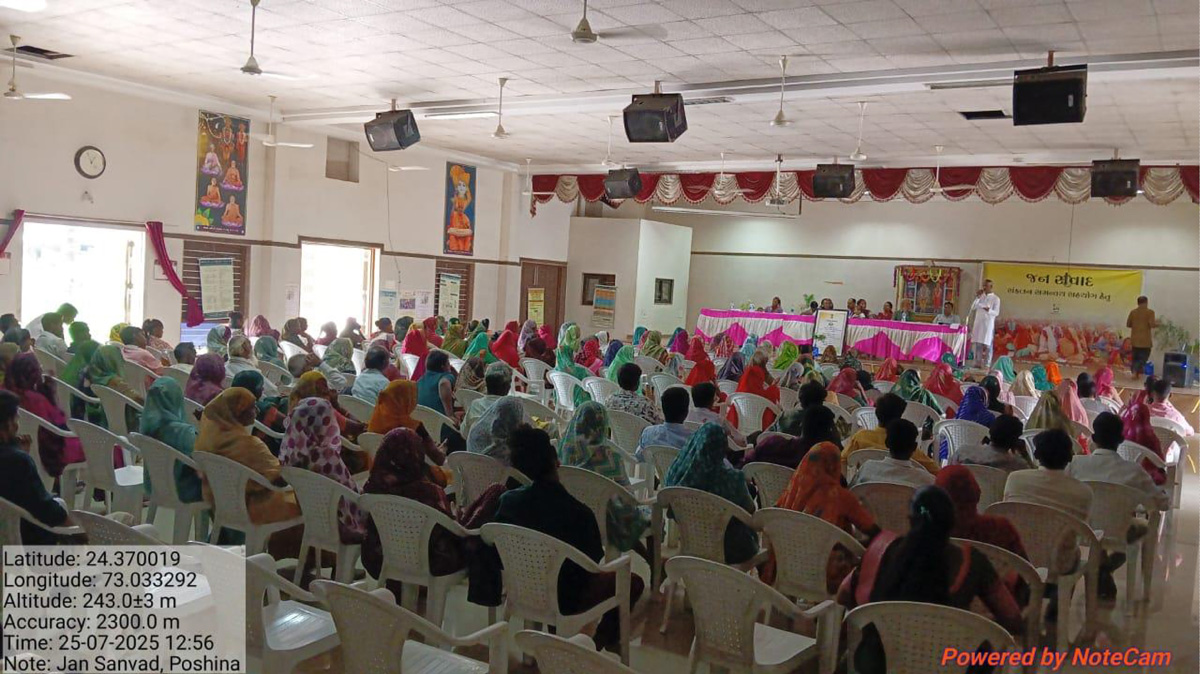
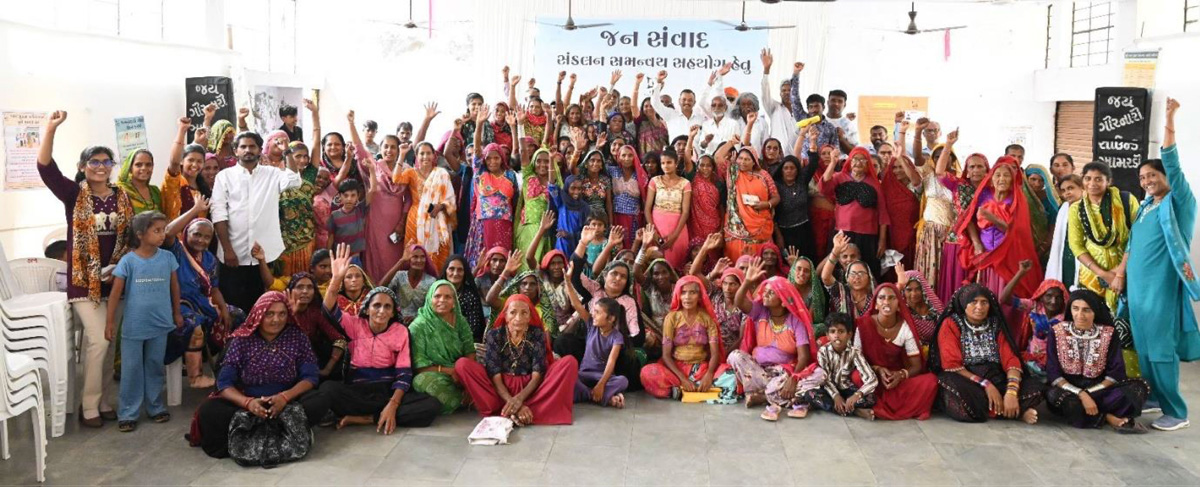
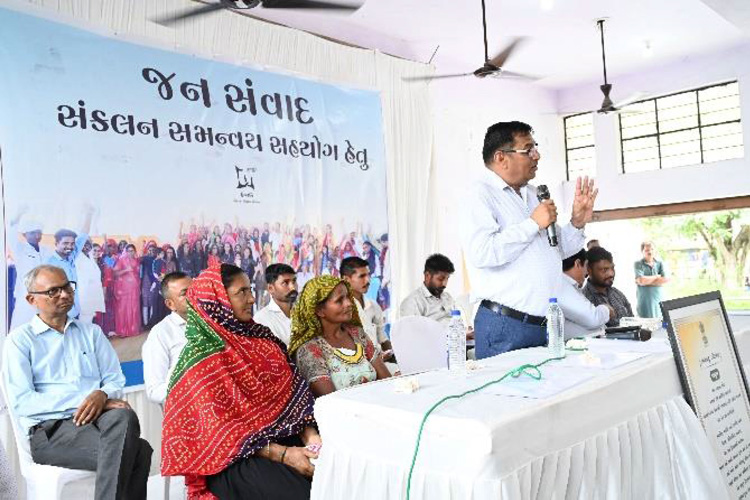
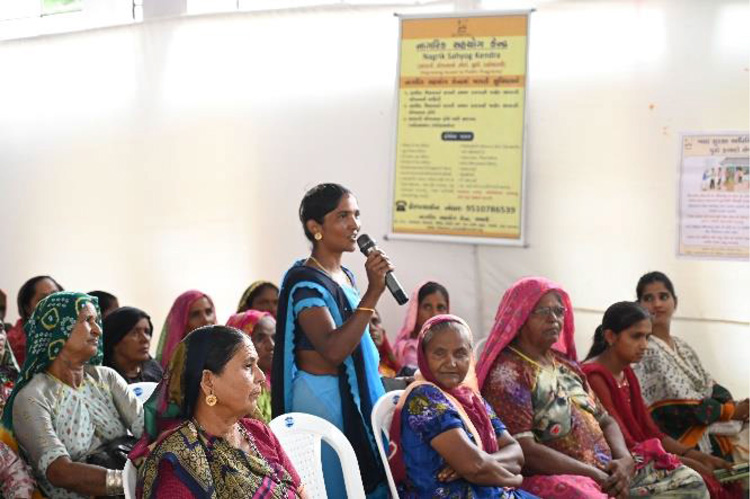
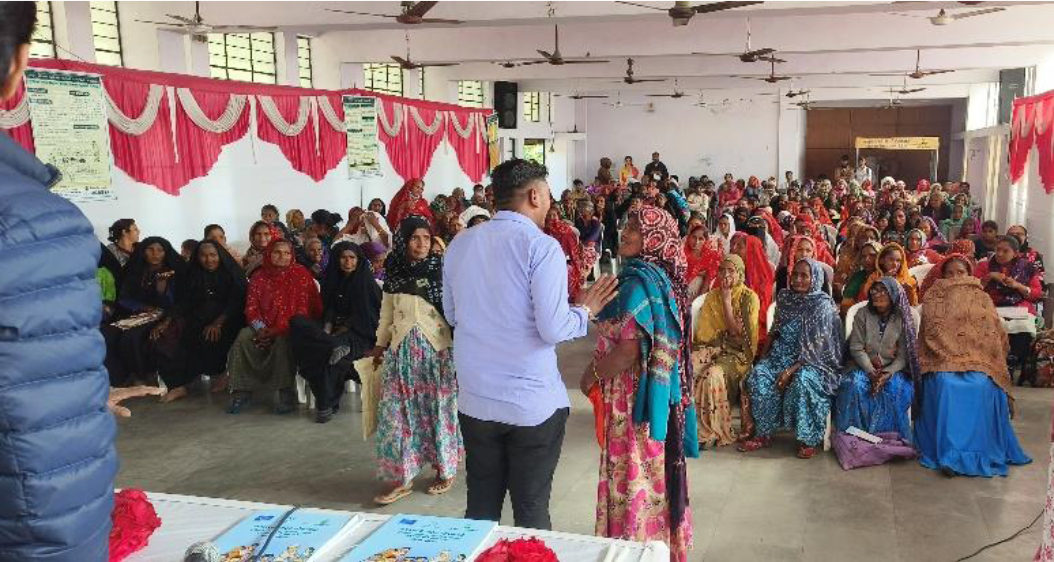
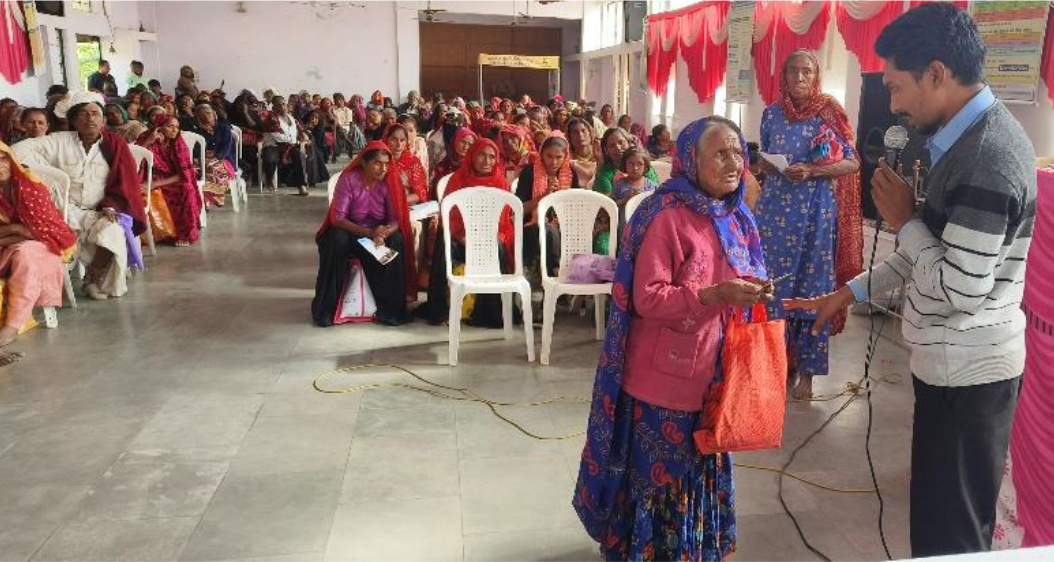
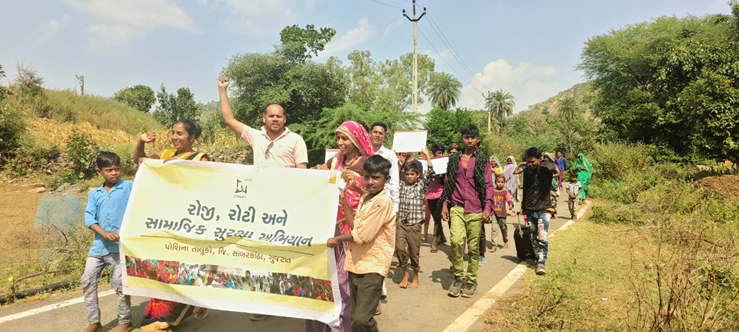
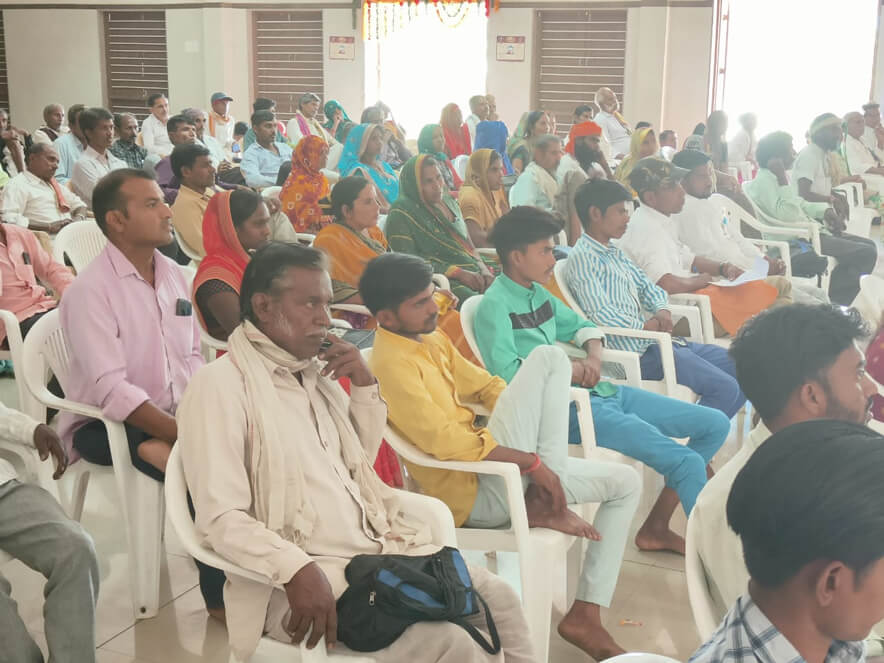
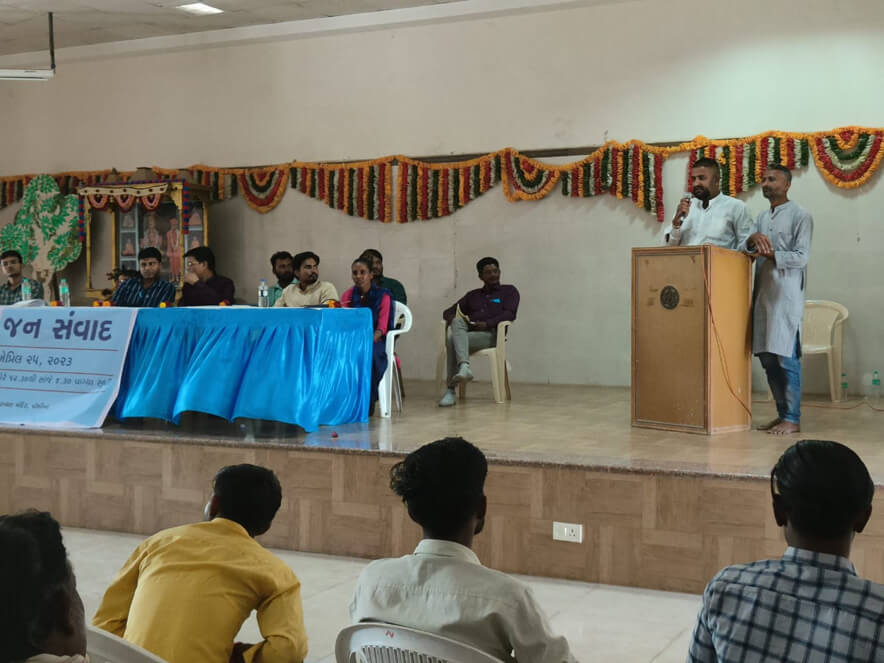
A Jan Samvad was organised at Poshina on 25 July 2025 under our initiative to ensure improved delivery of public programmes related to NFSA, MGNREGA, and Social Assistance Schemes. The objective of the event was to build a collective voice of community members and strengthen linkages with government administration for effective grievance redressal and entitlement delivery.
The event witnessed participation from around 400 citizen leaders, along with key officials, including the CDPO – Poshina, a representative from the District Panchayat – Sabarkantha, and members of various local NGOs.
During the discussions, community members presented 8 entitlement-related cases, on which government officials and NGO representatives provided guidance and suggested necessary follow-up actions.
Concluding the event, participants collectively resolved to work in a united and coordinated manner to ensure better access to public schemes and to amplify community voices for systemic change.
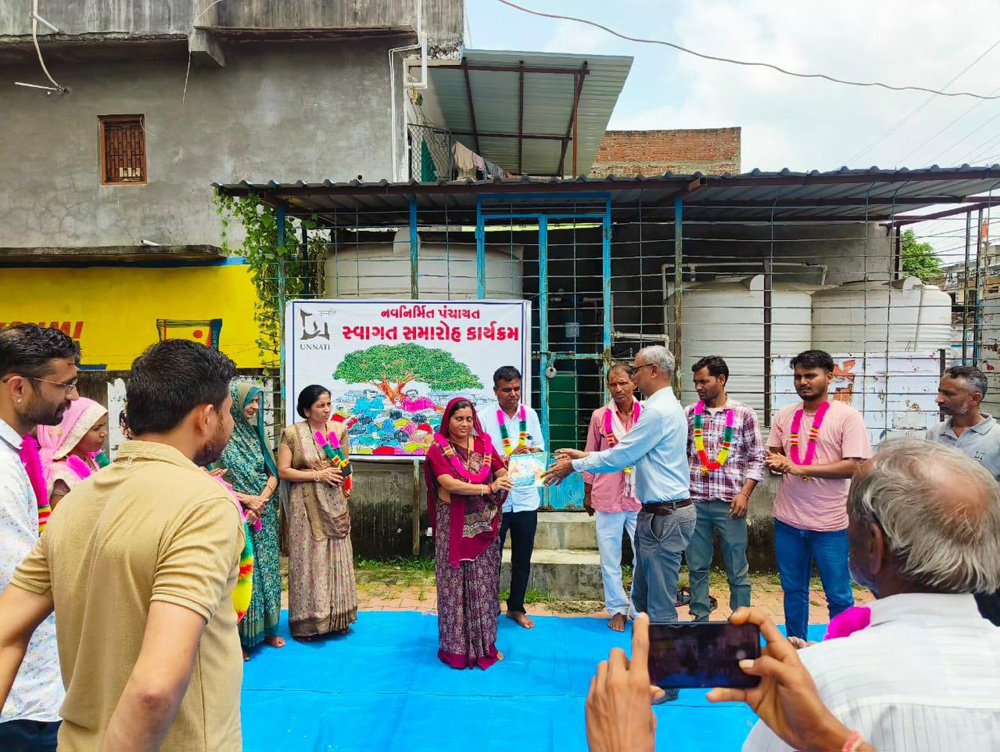
Panchayat Swagat Samaroh in Poshina, Sabarkantha district.
Date- July 21-26, 2025
Venue- Poshina, Sabarkantha
Panchayat elections were concluded in July 2025, held in areas where new Gram Panchayats had been formed. To welcome the newly elected representatives and strengthen their linkages with our community organisations, Panchayat Swagat Samarohs were organised across several Gram Panchayats in Poshina.
These events not only felicitated the newly elected representatives but also facilitated discussions on key local issues and the priority agenda for Gram Panchayat development. In total, such events were organised in seven new Gram Panchayats of Poshina block, Sabarkantha district.
Jan Sanvad on
Access to Public Programs
Date- July 18, 2025
Venue- Bhachau
On 18 July 2025, a Jan Samvad was organised at Bhachau to strengthen linkages between
community organisations and the
administration for addressing entitlement-related issues concerning Roti (NFSA), Roji
(MGNREGA) and Samajik Suraksha (Social Assistance). The event
witnessed participation from key government officials, including the Mamlatdar – Bhachau,
Taluka Pramukh – Bhachau, and TDO – Bhachau, along with representatives from various civil
society organisations and around 180 citizen leaders and community members.
During the event, community members presented 10 different cases related to entitlement
issues. The administration and civil society representatives provided guidance and necessary
follow-up support on these cases, reinforcing collaborative efforts to improve access to
rights and entitlements.
Citizen Dialogue Programme at Nagar Palika, Pipad City
Date- July 15, 2025
Venue- Ambedkar Bhawan, Nagar Palika, Pipad
Objective:
In light of the upcoming sewerage line project in Pipad City, it was observed that the wards, municipal staff, and citizens lacked a clear understanding of the Detailed Project Report (DPR). Such gaps in understanding could lead to confusion, delays, and lack of public ownership during implementation. Therefore, the objective of the programme was to break down the technical details of the DPR into simple terms, foster transparency, promote active citizen engagement, and build accountability among all stakeholders.
Background:
Former Executive Officer Mr. Suresh Kumar Sharma and JEn Mr. Manish Jakhar from Pipad Nagar Palika requested Unnati to orient municipal wards and engage the public on the upcoming sewerage project. The aim was to promote awareness, responsibility, and public participation in the implementation of the sewer line.
Details of the Event:
A workshop was organized at Pipad Nagar Palika to present the DPR in a simplified format. A total of 65 participants (33 women and 32 men), including ward parshads, municipal staff, WASH committee members and active citizens, attended the session.
Engineer from Indian Institute of Technology (IIT, Jodhpur) Mr. Vairagya Joshi explained the technical aspects of the sewer line—such as diameter, depth, slope, and types of pipes—in simple language. MIS Engineer Mr. Mahendra Patel shared insights on household waste collection and regular cleanliness. Revenue Inspector Mr. Virendra from Nagar Palika urged citizens to report any municipal issues for timely resolution and emphasized public responsibility.
Issues raised during water and sanitation camps held in informal settlements of Pipad were also discussed. It was also informed that the project work is yet to begin, and a fresh tendering process will be initiated before implementation starts.
Citizen Leaders Training, Ahmedabad
Date- July 11-12, 2025
Venue- DSC, Ahmedabad
A two day training of Citizen Leaders was organised at DSC, Ahmedabad during July 11-12, 2025. Primary objective of the training was to strengthen role of citizen leaders on community organising and linkages with PRI institutions. The training also discussed various aspects related to Citizen leaders’ skills, capacities, perspectives and collective worldview to ensure effective work in the direction of shared objectives. A reflection exercise was also undertaken to understand various processes at community level to derive challenges, achievements and future path. A total of 35 Citizen leaders from Poshina and Bhachau participated.
Panchayat Representative and Citizen Leader Training on GPDP, Bhachau Block
Date- July 2-4, 2025
Venue- Bhachau, Kutch
A three-day training program on Gram Panchayat Development Plan (GPDP) was organized at UNNATI Rural Training Centre, Navagam, Bhachau. The training aimed to empower elected Panchayat representatives and citizen leaders to prepare and implement effective, inclusive, and participatory GPDPs.
The key objectives of the training were to:
Enhance understanding of decentralized planning and the crucial role of Gram Sabha participation.
Promote convergence of government schemes for better resource utilization.
Clarify roles and responsibilities of Panchayat members in the planning and implementation process.
Build capacity in the use of Participatory Rural Appraisal (PRA) tools, including resource mapping, Focus Group Discussions (FGDs), and Transit Walks conducted in two villages – Jangi and Lakhawat – for ward-wise planning.
Provide hands-on experience in digital entry on platforms such as E-GramSwaraj.
The training adopted participatory methods such as group exercises, field demonstrations, and presentations to ensure practical learning and active engagement of participants.
Workshop on Safety and Dignity of Sanitation Workers in Rural Gujarat
Date: 2025 – 26
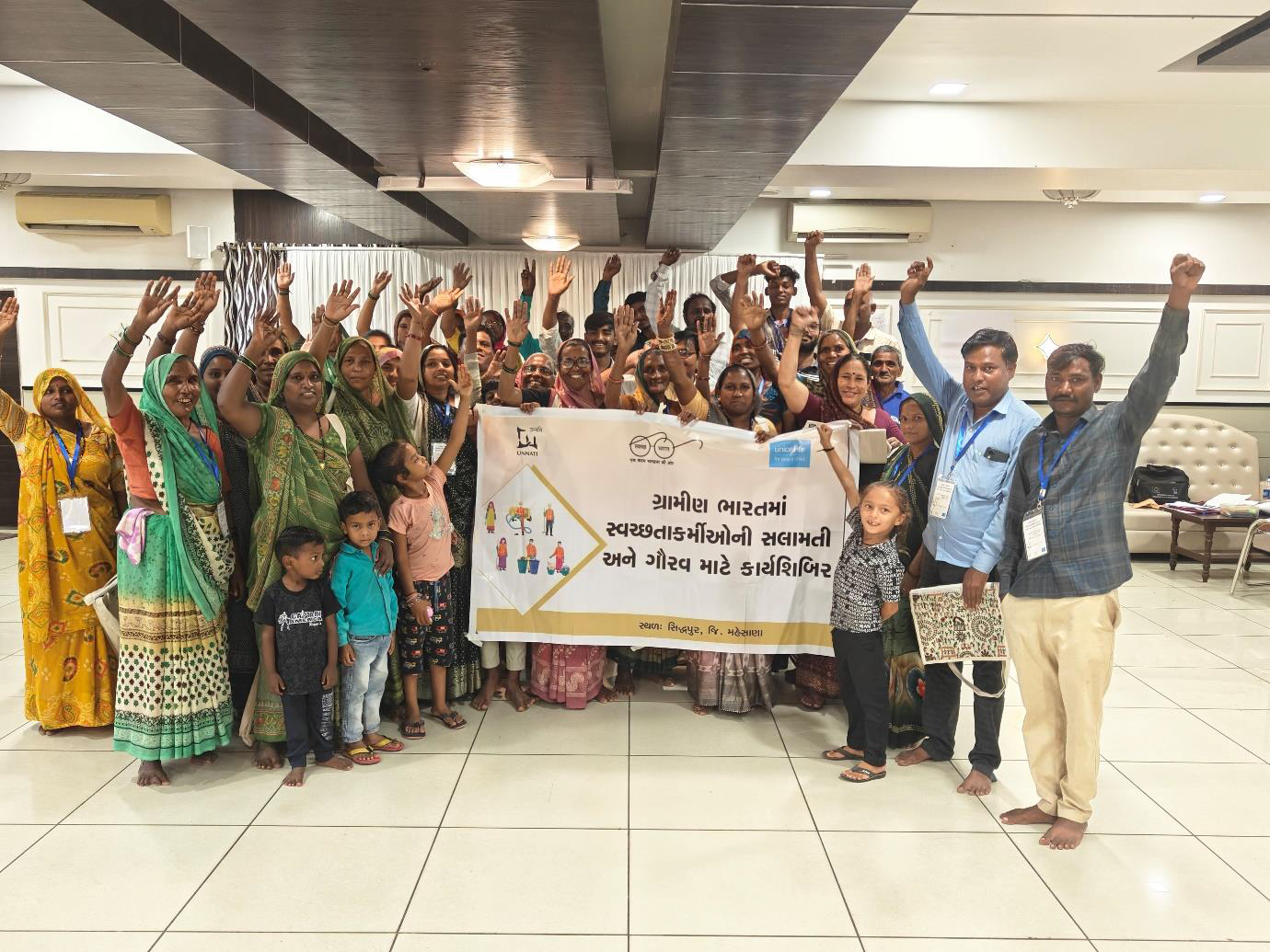
Since 2023, Unnati has oriented more than 1165 sanitation workers across Sabarkantha, Banaskantha, Ahmedabad, Kheda and Anand districts. Unnati has oriented sanitation workers to enhance their safety, dignity and access to entitlements under social protection schemes.
Unnati has conducted and led 7 workshops focusing on the safety and dignity of rural sanitation workers under the Swachh Bharat Mission Phase 2 in the districts of Mehsana, Kutch and Gandhinagar. This series of workshops builds on last year’s program aimed at promoting the social empowerment of Valmiki sanitation workers.
Objective
To orient sanitation workers on the socio-economic and political status of social discrimination and deprivation.
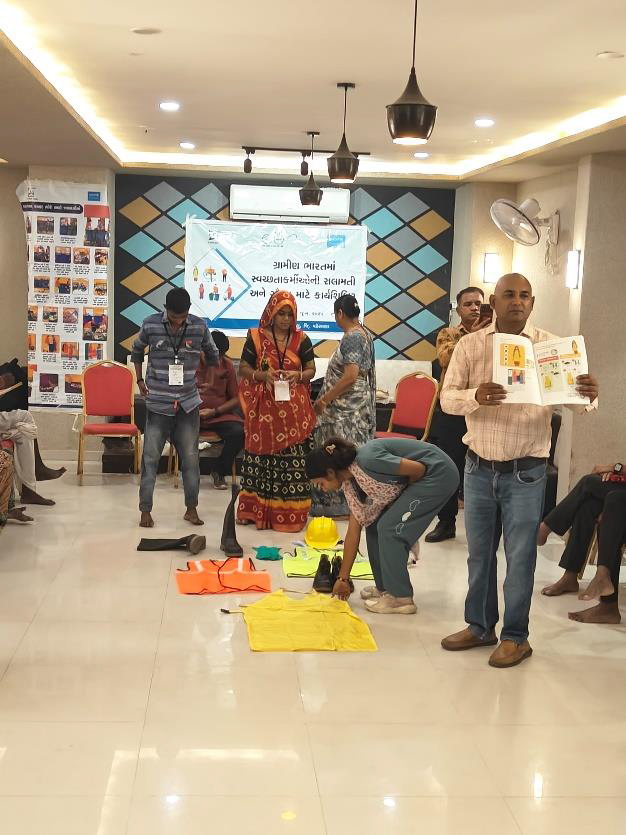
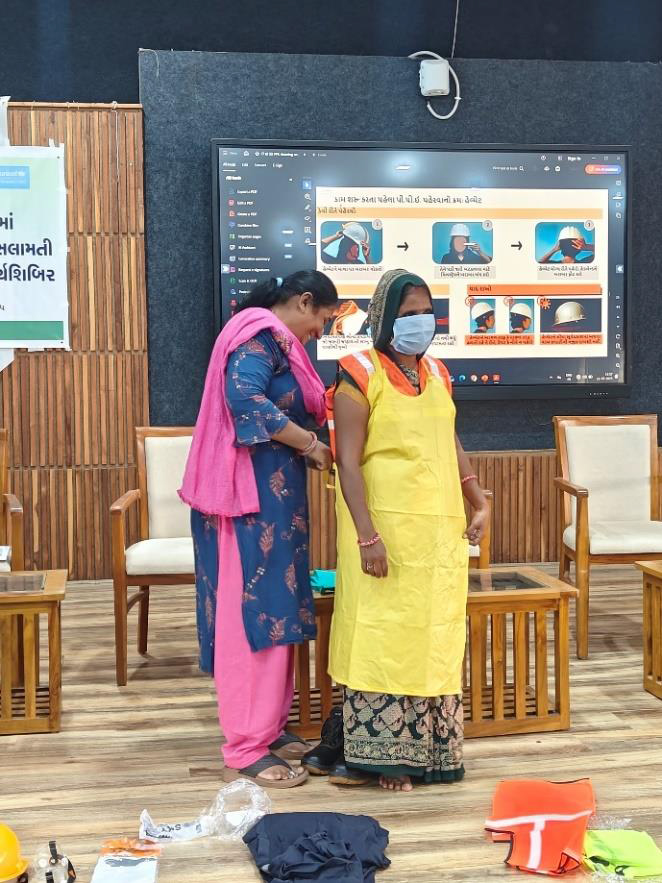
Demonstration of personal protective equipment (PPE) for sanitation work.
Engagement with sanitation worker groups to access public programs and social security schemes.
These sessions aim to increase social awareness, ensure the legal enforcement of minimum wages, and promote children’s education within sanitation worker families.
During the discussions, several key issues emerged for sanitation workers:
The need to increase social awareness within the community about the rights and dignity of sanitation workers.
The non-enforcement of minimum wage laws and lack of access to public services remain a pressing issue.
Limited access to education for children of sanitation worker families was identified as a barrier to long-term empowerment.
Participants raised concerns over the lack of land rights for agriculture, and support for livelihood diversification
In 2025 – 26, 365 sanitation workers have been trained in the workshops held during June and July 2025, conducted at the following locations:
Kheralu, Mehsana - June 7-8, 2025
Vadnagar, Mehsana - June 12-13, 2025
IITE, Gandhinagar - July 10-11, 2025
Siddhpur, Mehsana - July 12-13, 2025
Bhachau, Kutchh – September 26-27, 2025
Visnagar, Mehsana – August 1-2, 2025
Sanand, Ahmedabad – October 4-5, 2025
Key Learnings
Gender Patterns in Sanitation Work –Women form the majority of sanitation workers due to limited livelihood options, migration of men for other labour, and entrenched caste-linked roles.
Education Profile –Most sanitation workers have low levels of formal education, limiting their livelihood mobility and reflecting intergenerational barriers linked to poverty and caste.
Employment – Nature & Wages –Sanitation workers rely on irregular, low-paid work across private and public spaces, often earning between ₹2,000–₹10,000 per month with minimal social protection.
Engagement in High-Risk Cleaning –Despite low reported numbers, workers—especially younger ones—still occasionally undertake hazardous cleaning tasks for livelihood reasons.
Employment Documentation –Most workers lack formal employment proof, relying on verbal agreements that restrict their access to entitlements, protections, and bargaining power.
Usage of Banking Services –A majority actively use bank accounts and digital payments, reflecting improving financial inclusion, though many women still rely on joint accounts.
Availability of Public Services –Sanitation workers face inconsistent access to essential services like water, health insurance, and quality education, leading to continued socio-economic vulnerability.
Availability and Usage of Tools –Workers often lack basic tools and PPE, with supply varying across villages, and many continuing to work without adequate safety equipment.
Training of Master Trainers
Date- June 19-20, 2025
Venue- DSC, Bopal, Ahmedabad
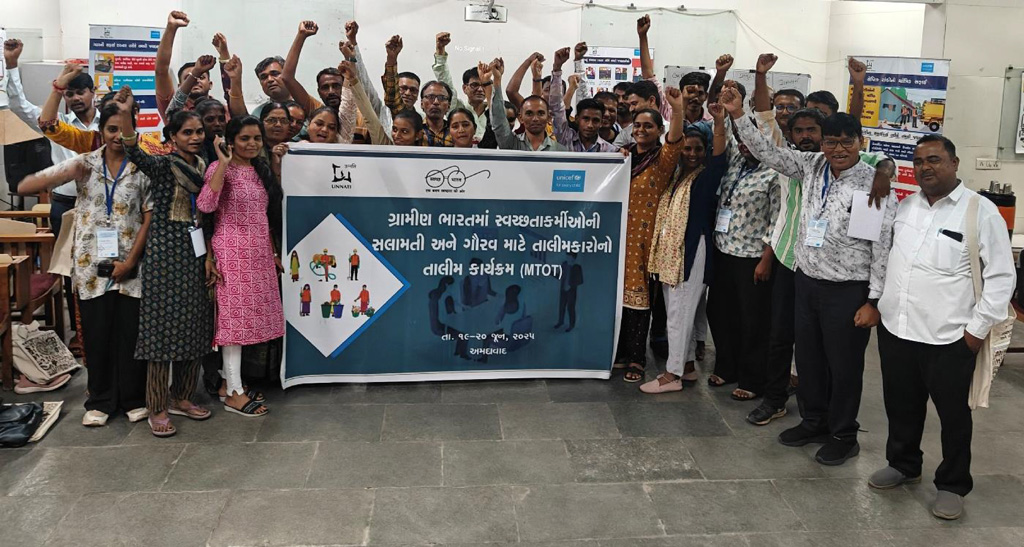
Since 2023, Unnati, in collaboration with UNICEF, has been working to ensure the safety and dignity of sanitation workers. For this Unnati has been orienting volunteers who come from local communities and are well-connected with the grassroots. As community resource persons, they help bridge the gap between rural sanitation workers and training or welfare initiatives meant for them.
These volunteers, who are oriented as Master Trainers (M Tots) focus on sensitising them on the importance of sanitation workers as per different job roles of sanitation workers, building awareness towards the safety, security, and dignity of sanitation workers. They are also oriented on practical demonstration of safety gears including donning and doffing of PPEs, and technical methods used for cleaning of various sanitation works.
Facilitation of the sanitation workers during their trainings and sensitization on the rights and entitlements of sanitation workers are two crucial components for a MToT to understand. Resource persons and master trainers advocate and strengthen linkages to ensure the safety and dignity of sanitation workers.
On June 19–20, 2025, a two-day Master Training of Trainers (MToT) workshop was conducted at the Development Support Centre, Bopal, Ahmedabad, with the participation of 36 Master Trainers from six districts.
Sabarkantha
Banskantha
Mehsana
Ahmedabad
Kutchh
Gir Somnath
During the training, MTs were oriented on:
The principles of participatory training, adult learning methods, and session management
The significance of sanitation workers across various job roles
Occupational safety, use of Personal Protective Equipment (PPE), and practical demonstrations of donning and doffing
Social protection measures, government schemes, and legal provisions related to sanitation work
The structure and goals of Swachh Bharat Mission Phases 1 & 2
The impact of climate change on sanitation workers’ health and livelihoods
The sessions also focused on understanding participants’ expectations, identifying sanitation workers, planning training activities, and fostering respectful and open learning spaces.
Improving Access to Public Programs and Social Protection Schemes
Date- June 5–6, 2025
Venue- Ahmedabad
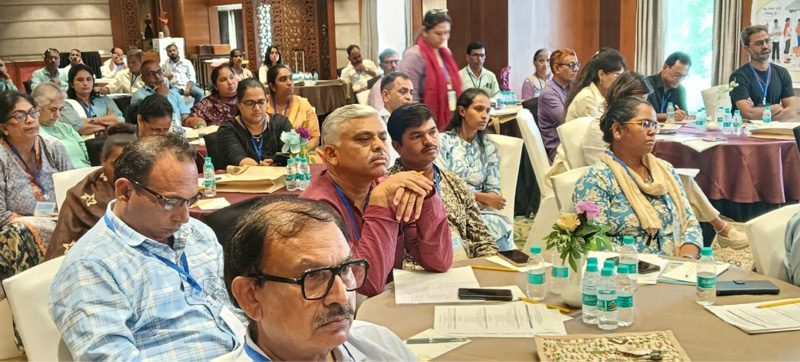
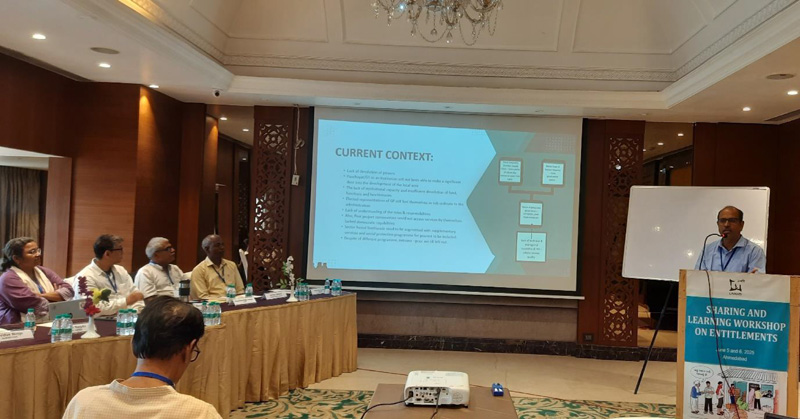
UNNATI hosted a two-day Sharing and Learning Workshop on Improving Access to Public Programs and Entitlements, bringing together civil society organizations, development practitioners, and grassroots facilitators committed to advancing inclusive and accountable public service delivery.
The workshop focused on improving access to key government welfare schemes and social protection programs, especially:
MGNREGA (Mahatma Gandhi National Rural Employment Guarantee Act)
NFSA (National Food Security Act)
NSAP (National Social Assistance Programme)
During the workshop, effective models for grievance redressal and entitlement registration Strengthening community-led platforms like Shakti Kendras, Nagarik Sahayata Kendras and PRCs and building citizen leadership through Mahiti Mitras and grassroots mobilizers were discussed. Over 50 participants from more than 35 organizations took part in the workshop. Among them, 12 organizations from Rajasthan, Madhya Pradesh, Jharkhand, and Gujarat shared powerful field-level innovations and practices - making this a vibrant and diverse space for cross-learning and collective reflection. The workshop reaffirmed that meaningful and sustainable access to public programs must be community-led-rooted in local capacities, informed participation, and collective action. Only then can public systems become more responsive, transparent, and rights-driven.
A heartfelt thank you to all our presenters, facilitators, and partner organizations for walking with us in this journey toward rights-based, participatory governance.
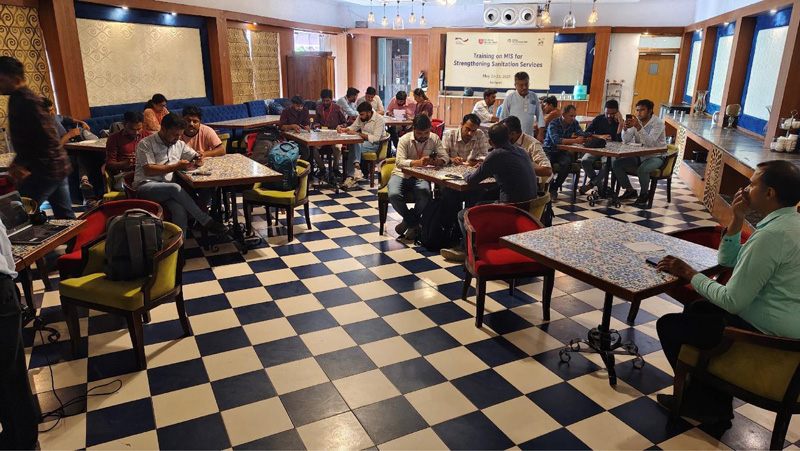
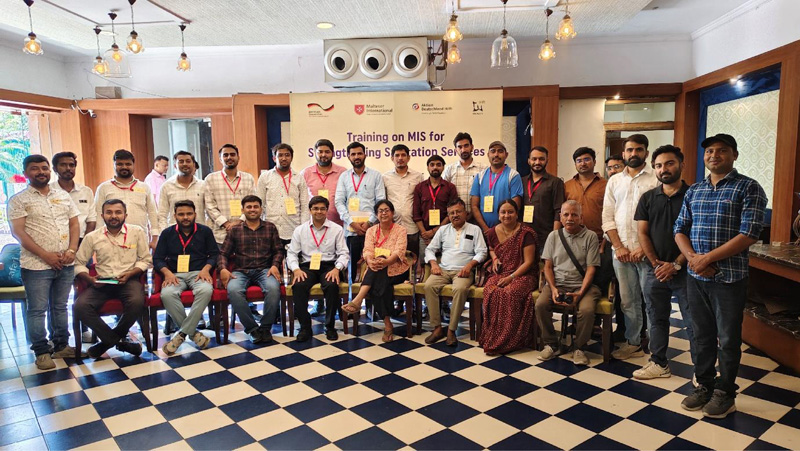
Training on MIS for strengthening Sanitation Services
Date- May 22-23, 2025
Venue- Hotel Amara Resort, Jodhpur
The event brought together 38 participants, including 27 MIS Engineers, 1 MIS Trainer, and 10 members of the Unnati Team, representing 27 urban local bodies (ULBs). The primary goal was to provide essential guidance and technical support to MIS Engineers for effective management of the Urban Local Body Portal.
Key Highlights and Objectives
The workshop kicked off with participant registration and a warm welcome from Dr. Shishir Purohit, Program Officer at Unnati, who outlined the workshop's objectives. MIS Trainer Sagar Gupta then guided participants through the planned activities. Participants identified their expectations, challenges (administrative, portal-related, and capacity building), and new learning goals
A central focus was Swachh Survekshan 2024, a national sanitation survey emphasizing the 3Rs (Reduce, Reuse, Recycle). The training aimed to equip urban sanitation professionals with a comprehensive understanding of the Swachh Survekshan framework, documentation, digital compliance via the MIS portal, and strategies for improving city rankings.
Session Insights
Session 1delved into the importance of urban sanitation planning and the objectives of Swachh Survekshan 2024. Key discussions included:
Uploading Action Plans: Procedures and critical considerations for preparing plans, including city profile, population projection, and crucial gap analysis.
Common Challenges: Solutions for issues like editing population data (requiring higher authority approval) and MIS/data format problems (utilizing portal templates and support).
Administrative Hurdles:Strategies for addressing staff shortages (proposals based on gap analysis) and fund management (securing DC/Mayor approval and maintaining records).
A lively Q&A session addressed diverse topics, from "floating population" and city vision to strategic population planning challenges (data gaps, resource flow, limited staff/funding) and effective resource utilization. GIS mapping issues in hotel data were also discussed, with a promise to cover solutions in future sessions.
Swachh Survekshan 2024: Key Changes and Toolkit
Significant structural changes in Swachh Survekshan 2024were highlighted:
No Partial Marks: Cities now receive either full or zero marks for each indicator, demanding higher accuracy.
Negative Marking: False claims or incomplete implementations will result in negative marks, enhancing accountability.
Specific Formulas: Each indicator has a unique evaluation formula.
Adjustments for Smaller Cities: Marks for non-applicable indicators in smaller cities are adjusted to relevant ones for fair evaluation.
The training covered the ten evaluation sections, including Visible Cleanliness, Waste Segregation, Solid Waste Management, and Citizen Feedback. A walkthrough of the Swachhata Portal demonstrated uploading documents and adhering to naming conventions, emphasizing accurate digital compliance.
Day Two Focus: Implementation and Problem-Solving
The second day centered on the updated Swachh Survekshan toolkit, underscoring the importance of precision due to negative marking and strict photo verification. Discussions revolved around indicators, their base criteria, and checking current city rankings.
Group discussions explored making wards self-reliant under Swachh Bharat Mission 2.0 and the Swachhata App's monitoring capabilities. Challenges with location accuracy for sanitation workers were noted, though positive experiences with the app in Jaisalmer were shared.
Interactive problem-solving sessions addressed issues like vehicle breakdowns impacting waste collection. Participants discussed implementing MIS tools for user charge collection, preparing ward-wise SOPs (including collection frequency, route planning, and contingency plans), and adopting digital logging tools for accurate vehicle tracking and data upload.
Suggestions for source segregation emphasized community engagement:
Educating ASHA workers, women, and self-help groups.
Door-to-door and neighborhood visits.
Involving public representatives and conducting school awareness camps.
Ensuring timely waste collection and providing separate bins at homes.
Motivating citizens and training waste pickers for segregation.
The workshop concluded with shared experiences from cities like Mysore and Pune, reinforcing practical solutions for urban sanitation.
Two-Day Workshop on Planning and Budgeting in Urban Local Bodies
Date- March 30-31, 2025
Venue: Amara Resort, Jodhpur
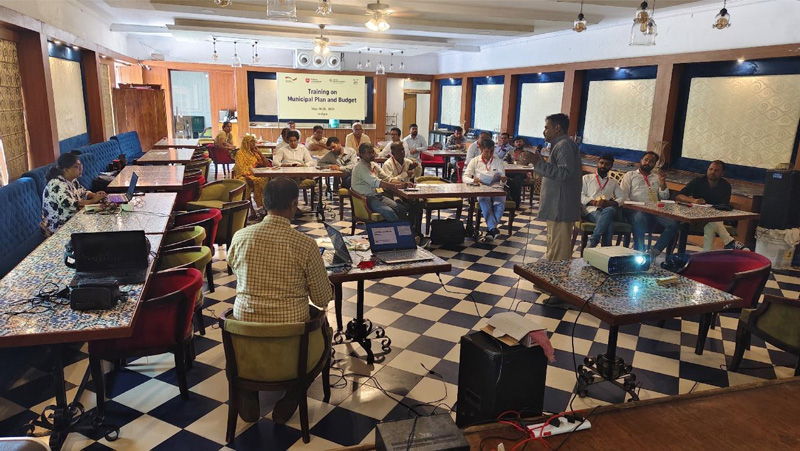
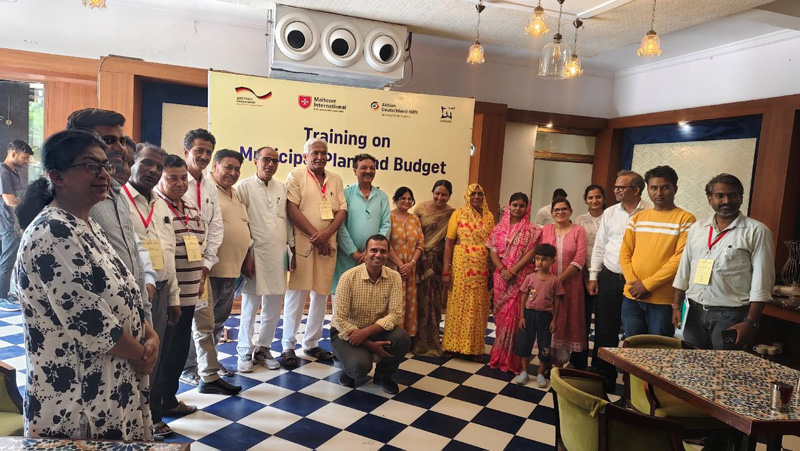
UNNATI organized a two-day workshop on “Planning and Budgeting in Urban Local Bodies (ULBs)” with participation from 39 elected representatives and municipal staff from Jodhpur, Balotra, Phalodi, Balesar, and Abu Road. The event aimed to strengthen understanding of urban governance processes, improve ward-level planning, and promote citizen-centric budgeting.
Participation-
Total Participants: 39
From ULBs: 29 (6 women, 23 men)
UNNATI Team: 10 (2 women, 8 men)
Workshop Objectives
Introduce structure and functions of ULBs
Clarify roles of municipal committees and parshads
Explore planning and budgeting systems
Discuss ULB roles in water and sanitation services
Introduce Gender Responsive Budgeting in urban contexts
Key Highlights
Sessions on the 74th Constitutional Amendment emphasized citizen participation, financial decentralization, and mandatory representation of women and marginalized communities.
Core functions of municipalities and ward committee roles were discussed in the context of the Rajasthan Municipal Act, 2009.
Participatory activities focused on defining a councillor’s role, development priorities, and field-level challenges.
Practical Insights
Participants shared real experiences related to ward planning, delays in execution, and citizen expectations. Examples were drawn from:
Abu Road – implementation of Jal Jeevan Mission (JJM)
Mount Abu – waste segregation and composting
Dungarpur –leading in Rajasthan’s Swachhata rankings
Role of State Election Commission, Finance Commission, and District Planning Committees
Transparency and monitoring tools
Key Recommendations by Ward Parshads
For Improved Ward Functioning:
Regular ward committee meetings (minimum 6/year)
Formation of standing committees
Involvement of councillors in planning and approvals
Exposure visits and training for councillors
For Transparency & Accountability:
Prior notice of tenders to councillors
Access to scheme documents and budgets
Equitable budget distribution across wards
Monitoring of SBM funds and other schemes
For Empowerment of ward parshad:
No decision without councillor consultation
Regular capacity building on budgeting and governance
Decision-making authority at ward level
For Inclusive Urban Development:
Budget allocation for informal settlements
Tree plantation drives with public participation
Public toilets, gardens, roads, sports infrastructure in every ward
Mini-secretariats at the ward level
Public assemblies for citizen feedback
Integration of SDGs into urban planning
For Corruption-Free Governance:
Transparent systems across departments
Strong grievance redressal mechanisms
Citizens’ right to information ensured
Closing & Follow-Up
A collective letter summarizing recommendations was prepared for the Chief Secretary, suggesting amendments in the Rajasthan Municipal Act.
Dr. Shishir Purohit concluded the workshop with a motivational address, highlighting the importance of collaboration and shared problem-solving. The event ended with mutual appreciation and a vote of thanks.
Exposure Visit of WASH Practitioners in Pune, Maharashtra & Mysore Karnataka for Integration of Waste Pickers in Solid Waste Management
Date- March 24-30, 2025
Participants Name: Pushpa Kanwar, Bharat Kumar Tepan, Vimal Kumar, Iqbal Lohar, Sachin Kumar, Swapni Shah, Shishir Purohit, Dilip Singh Bidawat, Madho Singh Rathore, Tikam Ram, Deuram, Mahendra Kumar and Mamta Pareek - a total of 13 people participated.
Pune, Maharashtra, March 24-26, 2025
The team first visited Pune where field visits were conducted in collaboration with SWaCH and KKPKP. Slum communities were visited to observe how, since 2007, SWaCH has systematically developed waste segregation habits through awareness programs.
Under the guidance of Vidya Tai, the team witnessed the community mobilization process and dry-wet waste segregation practices.
Additional activities included:
Visiting a biogas plant at a marriage hall to understand how wet waste is converted into energy.
Observing composting of dry leaves in a community park.
Visiting small-scale Material Recovery Facilities (MRFs) to understand their operations and decentralised approach.
A meeting was held with Pune Municipal Corporation officials, where Assistant Engineers explained the PMC's systems, budgets, and collaboration with the SWaCH model.
March 26, 2025
Participants were divided into two groups:
Group 1: Visited the World's Largest Capacity Food Waste to CBG Plant, which operates in two phases—first slurry/compost preparation and then biogas production.
Group 2:Visited the SWaCH and KKPKP Helpline Centre for waste pickers, learning how complaints are received and resolved.
Later, both groups shared their experiences. Mr. Aditya from KKPKP explained their approach, the changes brought about in Pune through their initiatives, and their engagement with waste pickers.
Mysore, Karnataka, March 27-30, 2025
March 28, 2025
In rural areas, the team learned about waste segregation practices carried out by panchayats in collaboration with Hasirudala NGO. The panchayat has set up waste halls where segregation happens, and compost is produced with NGO support.
In urban areas, large-scale segregation, composting, and marketing of compost were observed. The entire compost preparation cycle was explained in detail.
March 29, 2025
The team interacted with waste picker families, most of whom were migrants from Assam and other states. Their daily routines, unique challenges, and survival strategies were documented.
The group also visited Mysuru City Corporation to understand their work systems and citizen engagement practices.
March 30, 2025
A joint reflection meeting was conducted to share learningsfrom both cities
Discussions were held on which practices from Pune and Mysuru could be adapted to local Urban Local Bodies (ULBs).
Return to Jodhpur
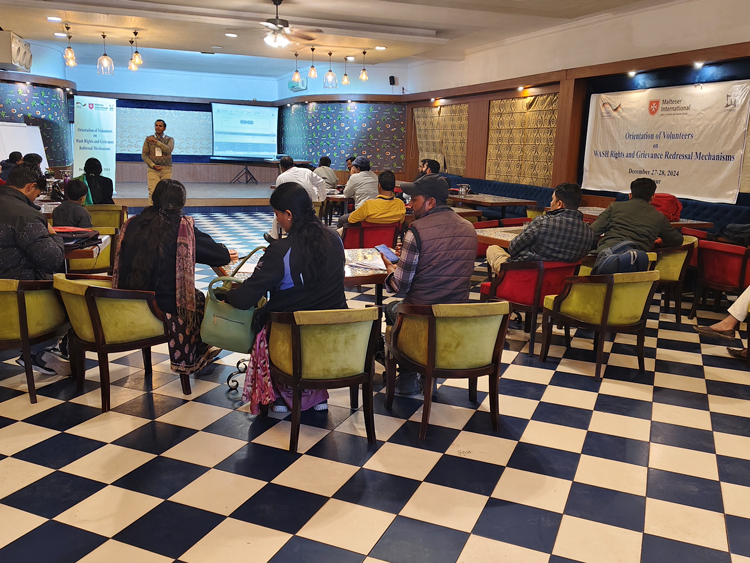
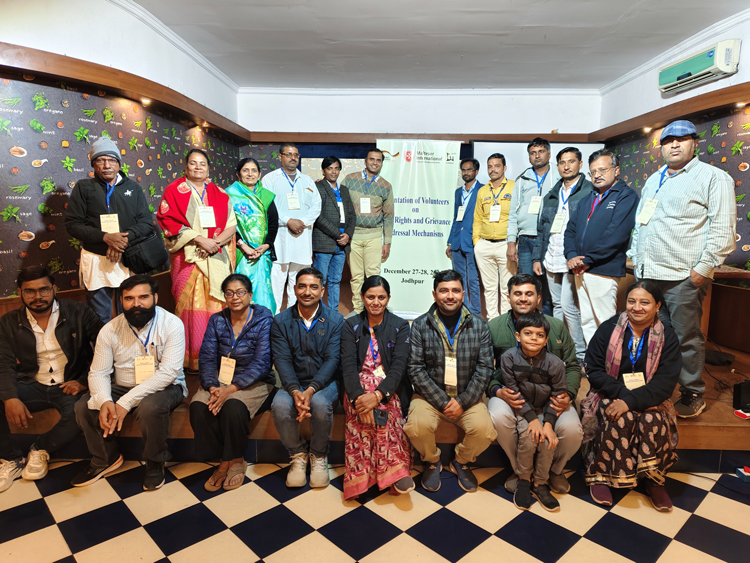
Orientation of
Volunteers on WASH Rights and Grievance Redressal Mechanisms
Date- December 27-28, 2024
Venue- Aamra Resort, Jodhpur
Participants- 22 Volunteers from 15 Urban Local Bodies
Objective of the program - To orient the volunteers on WASH rights and
grievance redressal
mechanism and to create a platform to provide awareness about government schemes of drinking
water and sanitation
services.
The meeting began with the introduction of volunteers, followed by Ms. Swapni Shah
providing an overview of
Unnati and WASH program. She explained its objectives and how it aims to address water,
sanitation, and hygiene
issues. Participants shared their achievements, challenges, and experiences in implementing
related activities,
fostering a collaborative and reflective atmosphere.
In the second half of the day, Dilip Ji from Unnati facilitated an insightful session on
government schemes and
entitlements, ensuring participants were aware of the benefits and services available to the
community. This was
followed by a session on the Jan Soochna Portal, a vital tool for accessing government
information and ensuring
transparency.
On the second day, Swapni Ji started with an engaging activity, a game on identifying
various social groups,
promoting inclusiveness. She then showed a film on social accountability and the importance
of citizen
participation in accessing services. Shishir conducted a session on WASH as a fundamental
right and the grievance
redressal mechanisms available to address issues. The final session focused on developing an
action plan, where
participants collaboratively outlined steps to enhance service delivery and accountability.
The meeting concluded
with a renewed commitment to advancing WASH initiatives effectively.
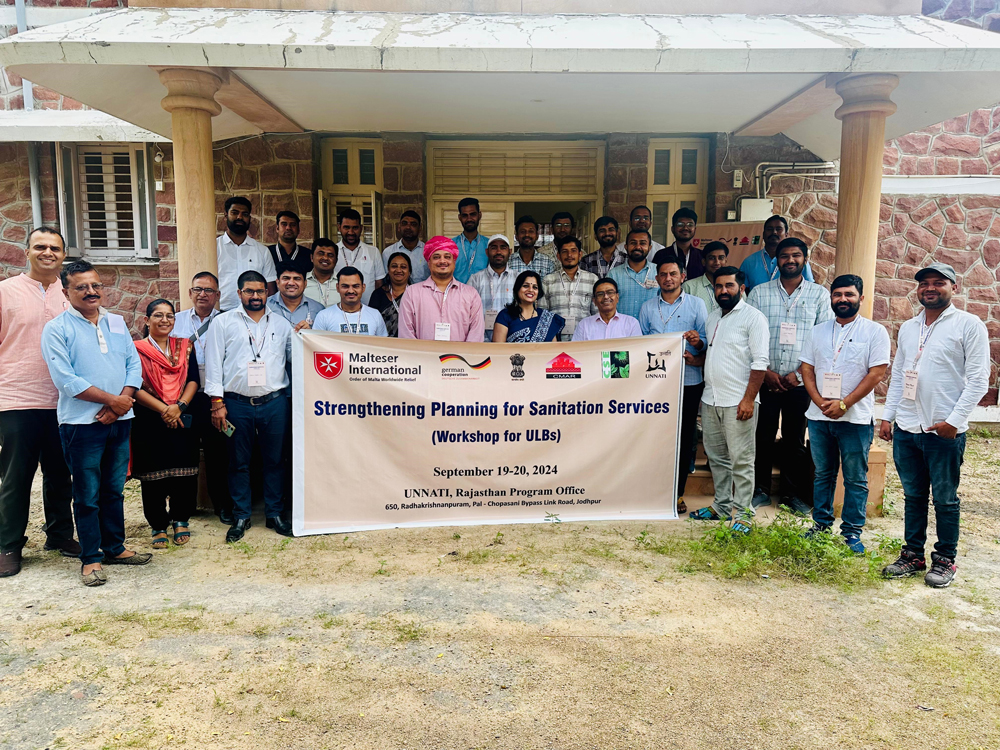
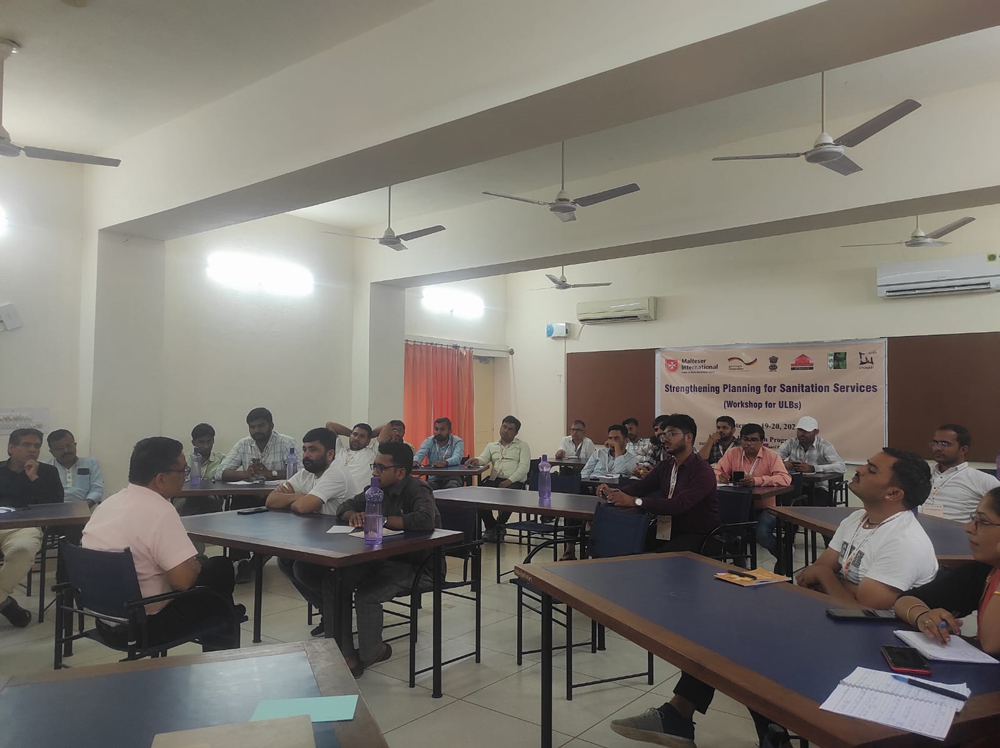
Strengthening
Planning for Sanitation Services in Cities/ Towns (Workshop for ULB Functionaries)
September 19-20, 2024
Jodhpur, Rajasthan
Place: UNNATI
Rajasthan Program Office, Jodhpur
650, Radhakrishnapuram, Pal-Chopasni Bypass Link Road
Objectives:
Appraise ULBs about the need for holistic planning of safe disposal of sewage and the
importance of Shit Flow Analysis/ Diagram (SFD) as a standard assessment decision support
tool.
Understanding on indicators of sanitation services delivery under Swachh Sarwekshan
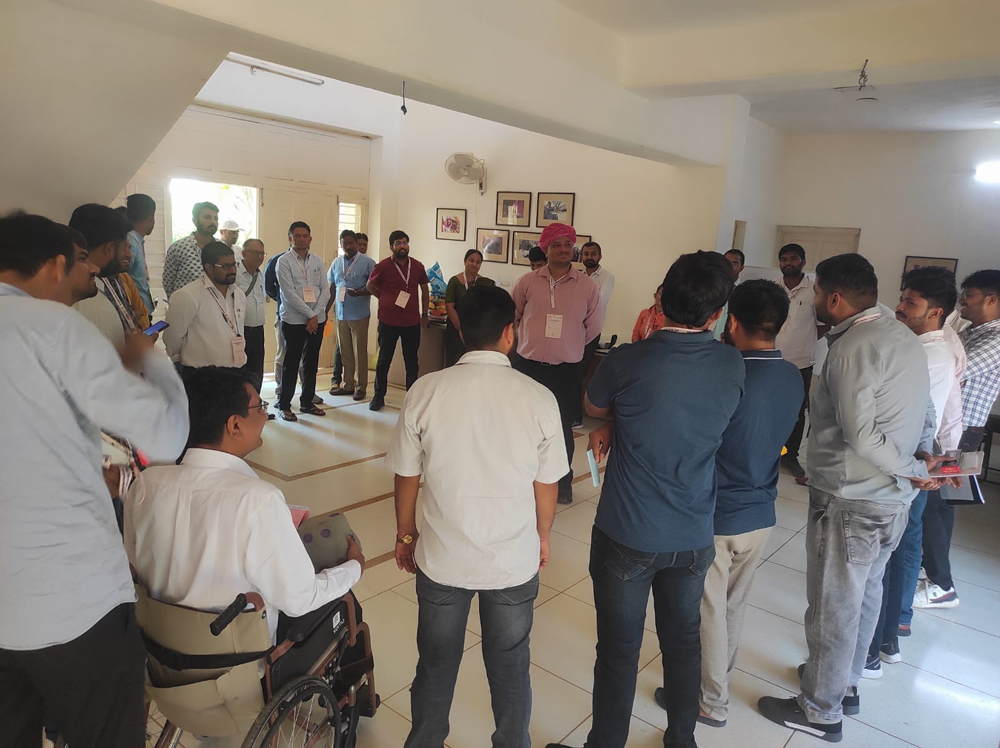
Summary- In coordination with Unnati, CMAR, Centre for Science and
Environment, and Department of Local Self Governance, workshop on 'Strengthening Planning
for Sanitation Services in Cities/ Towns’ was organized on 19-20 September-2024 at Unnati
Office, Jodhpur. 40 nos. of officers from 32 urban bodies of Jodhpur and Pali divisions,
including EO, SE, XEn, AEn, JEn, RI, MIS etc. were present in the workshop. The first day of
the workshop started with an introduction to 'Planning for Sanitation Services', in which
emphasis was laid on Shit Flow Diagram which is the main tool of sanitation planning. Its
preparation and making it a part of the planning of the urban bodies was discussed with the
participants. At the end of the day, Dr. Himani Tiwari, on behalf of the city managers’
association, gave information about the government schemes related to sanitation. On the
second day, Dr. Harbhajan Singh gave information about the Swachh Survekshan Toolkit and its
connection with SFD. At the end of the workshop, SE Mr. Bharat Tepan from Municipal
Corporation Jodhpur North informed about the need for planning for cleanliness in urban
bodies. Unnati also inaugurated the Svaraj Update magazine, which is used to strengthen ULBs
JAN
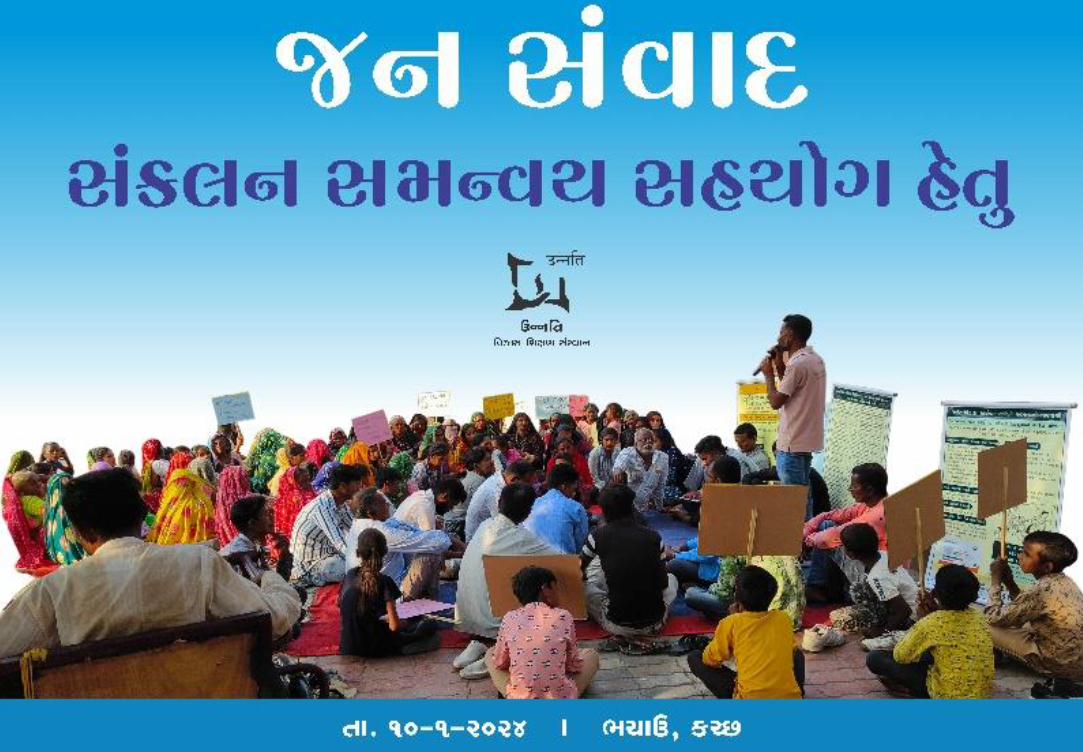
SAMVAAD – BHACHAU BLOCK
Jan 10, 2024
Bhachau, Kutch
Social accountability implies engagement of civic organisations and citizens to express
demand for public services and accountability from the service providers to improve delivery
of services. The lack of accountability is felt most acutely by ordinary citizens,
particularly the vulnerable and marginalised for accessing the public services which are
their legal rights such as right to food and right to employment. Jan Samvaad is a tool of
social accountability that plays a vital role in the creation of more transparent
environment in meeting the expectations of the people. It allows the citizens, civil
society, and government to interact on the necessity of collaboration for effective and
sustainable development.
In this regard, a Jan Samvaad was organised in Bhachau block on January 10, 2024. The Jan
Samvaad was organised in coordination with the government officials and community people
facilitated by UNNATI. Jan Samvaad lead to creation of critical awareness on one’s position,
move away from selfblaming, liberation of internalization of subjugation or culture of
silence.
The Jan Samvaad was conducted at the block level and was participated by 220 people from 10
Gram Panchayats. 16 testimonies are documented and presented as case stories to project the
issues faced regarding access to public schemes. 35 people shared their testimony in the
forum and was ensured to get their issues redressed after verification. The government
officials shared the government schemes’ processes and the new amendments for greater
information dissemination. The Jan Samvaad action taken report is shared with the government
departments for further actions.
The samvaad was initiated by Mr. Kirit Bhai where he emphasized on the need of Jan Samwaad
by stating the difficulties faced by people in accessing the public scheme and find
potential solutions to strengthen the processes. Further, Jitendra Makwana in brevity shared
the testimonies of people and field level findings highlighting on the grassroot problems.
People shared their stories through mike to the representatives present on the dais.
Testimonies were majorly related to the following sectors, such as- (i) Elderly people not
getting ration due to finger-print non-recognition in bio-metric authentication, (ii) No
information regarding sanction and rejection of pension scheme application form (iii)
excluded from disability pension due to nominal high BPL score, (iv) No information
regarding sudden dockage of payment under pension schemes, (v) unavailability of work when
in need, (vi) automatic exclusion to APL after new card issue, (vii) problem in making
expired husband’s death certificate.
The program was concluded by Jayant Layek on use of digital information and pro-active
information for quick information flow about the status of application. He further stated
that this type of dialogue will enhance healthy relationship among the community and
government for identifying and redressing the grassroot issues. Further it providesstrength
to the vulnerable people to gain legitimate rights.
Kaam Maango
Abhiyaan - Poshina Block
A 14-days ‘Kaam Maango Abhiyaan’ was organized in Poshina block covering 23 villages. The
objective of the campaign was to develop understanding about MGNREGA to identify problems
and issues related to demand for work, registration of grievances, verification of
irregularities and take necessary actions. The Expected outcomes are-
Awareness building on the provisions and guidelines of MGNREGA
Work demand by the people
Application for making new Job Cards
Application for linking with Banks and AADHAAR
Create a village level platform for social accountability
A total of 1454 people joined the zumbesh village meetings during the campaign. Out of
which, a total of 1537 workers demanded for work under MGNREGA. During the campaign various
issues emerged from the discussion with the village people in the village meetings. In 23
villages, the campaign was successfully conducted with the help of the village people and
with the members of Eklavya Shramik Sangathan. At the end of the campaign, 1537 people are
ready to request work in the Panchayat to get employment under MNREGA Act.
Malteser International
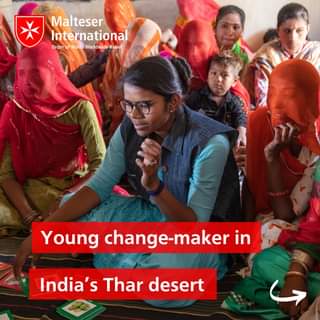
Anita, an 18-year-old from the heart of India's Thar Desert. In a challenging environment
where women and girls face unique struggles, Anita is a force of positive change. She
volunteers to support women's well-being, healthcare, and even conducts haemoglobin tests.
Anita offers guidance on hygiene and breaks the silence around menstrual health.
Anita is part of a group of around 100 young girls partnering with Unnati to make a
difference in their villages. They've received specialized training in nutrition and WASH
(Water, Sanitation, and Hygiene) practices, sharing their knowledge with women and girls in
their communities.
Join us in celebrating Anita's inspiring journey. Read more about her: Read
the full story
Photos: Jana Asenbrennerova/Malteser International
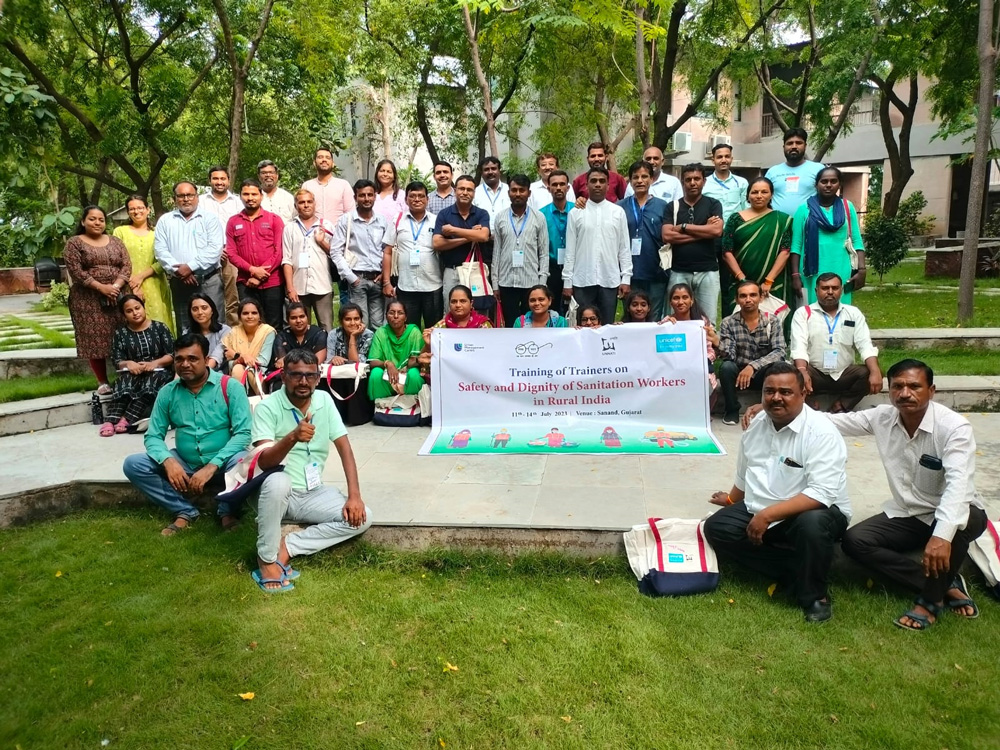
Training of Trainers
Program for Master Trainers on
Safety and Dignity of Sanitation Workers in Rural India
11th to 14th July, 2023
Sanand, Gujarat
The 4-day residential training took place at the Neembadi Training Centre in Sanand,
Ahmedabad, Gujarat. The total number of participants were 38 consisting 22 males and 16 were
females. The training team for the master trainers consisted of experienced individuals from
UNICEF who played crucial roles in facilitating the program. The team included Tejas
Deshmukh, Anshuman Verma, Rajesh Bhai, Abhishek Fullonton. The training program was honoured
by the presence of Nageshwar Patidar (WASH Specialist from UNICEF), Binoy Acharya (Director,
UNNATI), Vijay Parmar (Manager Trustee, Jan Vikas Training Centre), and Purshuttam Vagheda
(Director, Manav Garima). The training witnessed active participation from four districts-
Anand, Ahmedabad, Banaskantha, and Sabarkantha.
Assess the condition of sanitation workers and their working environment. Identify and
understand different types of sanitation work and their associated cleaning processes,
consumables (cleaning agents, disinfectants), and equipment. Investigate the occupational
health hazards in sanitation work and develop strategies to mitigate them. Educate
sanitation workers about their rights, entitlements, and well-being. Explore
entrepreneurship opportunities in sanitation work to enhance financial growth.
Sanitation work is a hazardous profession that exposes workers to occupational safety
risks, such as toxic gases and faecal sludge. The informal nature of the job makes them
vulnerable, lacking formal social, financial, and occupational support. Despite the
Prohibition of Employment of Manual Scavengers and their Rehabilitation Act in 2013, there
are persistent gaps in awareness, access to personal protective equipment, safety devices,
and mechanized cleaning methods. Over 1,064 sanitation workers have lost their lives in
India over the last 20 years, especially in sewers and septic tanks. To address these
challenges and ensure no one is left behind, a partnership between different organisations
including UNNATI and UNICEF has been established to provide training and sensitization for
decision-makers at the Gram Panchayat level and sanitation workers. The goal is to promote a
shift from manual labor to mechanized methods and improve the overall well-being and working
conditions of sanitation workers.
Through this training, the master trainers were able to understand and empathise with the
challenges and risks faced by sanitation workers in different job roles. Strengthened with
technical knowledge of the legal provisions on manual scavenging to facilitate compliance
and knowledge-sharing. To raise awareness among sanitation workers about their rights and
entitlements to empower them with essential information.
The training sessions included a mix of interactive lectures with visually appealing
PowerPoint presentations. Group activities and discussions were facilitated to encourage
active participation and collaborative learning, fostering the exchange of perspectives
among participants. Brainstorming sessions were also incorporated to promote critical
thinking and in-depth discussions on pertinent subjects. Additionally, a field visit with
interactive learning was also included.
Animal Health
Camp
July 05, 2023
Poshina, Gujarat
In our efforts to improve overall well- being of tribal communities in the rural areas of
Poshina block of Sabarkantha district, we are working with local communities to address the
issues faced by them in bringing sustainable agriculture practices and health and wellbeing
of communities, especially women associated with agriculture work and animal husbandry.
During community consultations, a demand was received to provide medical services for
ruminating animals during the monsoon to meet with or reduce the cost of illness treatment
and transportation cost attached for care of the vaccines. To provide primary animal care,
promote animal health, and reduce out- of- pocket burden on the local communities an animal
health camp was organized in an interior small village called-- Chhatrang.
Total No. of families who were able to bring
their animals to the camp
25
Total No. of animals benefitted through the camp
125
Total No. of bulls vaccinated for
ectoparasite
Total No. of Buffaloes and calves
vaccinated for ectoparasite
Total No. of Cows and calves vaccinated
for ectoparasite and treated for de-worming
No. of cattle treated for minor injury
(broken leg) and provided dressing support and analgesics
Total No. of Goats treated for de- worming
38
14 buffaloes and 5 calves
13 cows and 3 calves
1
51
2-day
residential training program for Citizen Leaders
July 05, 2023
Poshina, Gujarat
In the view to develop a cadre of active citizens as Citizen Leaders, a 2-day residential
training program for Citizen Leaders was conducted in Poshina Block of Sabarkantha District.
The training aim to:
Develop perspective on developmental issues
Develop perspectives on Tribal development issues
Visioning of a leader and developing problem solving, communicating and collaborative
skill
To develop the capacities of CLs who can further play a vital role in planning,
implementation and monitoring of development initiatives in the villages
Understanding their roles and responsibility as a Citizen Leader with co-operation,
collaboration and assertion of rights.
Understanding the development dynamics of the region and promotion of people’s
participation for issue-based advocacy - presenting issues in different platform and
addressing issues of most vulnerable.
Develop technical skills on use of web-based portals
Impart knowledge and skills on the conduct social audit, community base monitoring,
physical verification, Gram Sabha and Jan Sunvai.
Develop understanding on the importance of strengthening Gram Panchayats for strong
local self-governance.
The training was participated by 32 Citizen Leaders. The Citizen Leaders were newly
associated with UNNATI and thus the training was more focused on perspective development
towards the current pressing issues faced by people. During the training, the participants
stayed in the centre which provided an opportunity to share experiences, thoughts and
learnings. The methodology involved group works/ exercises, simulation exercises, use of
experiential learning tools, practice of web-based portals, dialogical lectures, film show
and ice-breaking exercises.
Citizen
Leader Training
June 28, 2023
Bhachau, Gujarat
Citizen leader training was organised on June 28 june, 2023 in Bhachau where 26 CLs
participated.
The purpose of the programme was to develop understanding on citizen leadership, community
development and organization, governance and empowerment.
Citizen leaders shared their work towards social development and community mobilization in
their locality. Further, focussed discussion was done on building community institutions. A
plan of action was prepared on community monitoring, increase access to schemes and increase
digital literacy on use of government portals.
The program ended with enchanting slogans on ensuring entitlements of citizens.
JAN SAMVAAD
April 25, 2023
Poshina, Gujarat
A block level Jan Samvaad was organised in Poshina block on April 25, 2023. The programme
was done in coordination with the government officials and community people facilitated by
UNNATI. The objective of the Jan Samvaad was to create a platform for discussion on issues
faced by the people at the grassroot level infront of the government officials and CSO for
its redressal and further strategy formulations. The Jan Samvaad was participated by 130
people from different villages of Poshina, government officials (District Social Security,
District Child Protection Officer, ICDS Supervisor, Medical Officer- PHC Chandrana, Taluka
Health Officer- CHC, Nutrition Coordinator), representatives of Aadiwasi Jan Jagriti
Sangathan, representatives of EklavyaShramikSangathan, representative of SEWA, Action
Against Hunger and VIKSAT.
The samvaad was initiated by Mr. Kirit Bhai where he emphasized on the need of Jan Samwaad
which creates a healthy environment for discussion among the community and service providers
to highlight the issues and discuss on redressal/ solution. Further, field level findings of
Community Based Monitoring (CBM) were shared by Bhuvan Rathwa where he highlighted issues of
exclusion.
Virendra Bhai in brevity shared the testimonies of people in front of the representatives
present in the dais through live speaking on mike. 15 people spoke about their grievances
and struggles in accessing entitlements. Testimonies were majorly related to the following
sectors, such as- (i) inaccessibility due to age difference in Aadhaar card, (ii)
non-payment against work done in MGNREGA, (iii) excluded from disability pension due to
nominal high BPL score, (iv) wrong entry in name in Aadhaar card, (v) unavailability of work
when in need, (vi) automatic exclusion to APL after new card issue, (vii) problem in making
expired husband’s death certificate, (viii) no proper flow of information about the process
of gram sabha for resolution of issues
The officials from the departments shared the process of access to various entitlements and
the steps to be considered for zero application rejection. The health department officials
ensured that the village level health facilities aremonitored for effective delivery and for
any complaint of irregularities, people can connect the department higher authorities
directly. For the BPL score issue, they can get a resolution in the Gram Sabha and submit
the copy to the department for further processes. They concentrated more on proper
information dissemination about the provisions and guidelines of the schemes for effective
reach.
The program was concluded by Mr. Kirit Bhai on use of digital information and pro-active
information for quick information flow about the status of application. He further stated
that this type of dialogue will enhance healthy relationship among the community and
government for identifying and redressing the grassroot issues.
One Day Training
of PRI Members
April 21 , 2023
Bhachau, Gujarat
A one-day training of PRI representatives was organized at UNNATI Rural Training Centre,
Bhachau on 21st April 2023. A total of 14 PRI representatives attended the training. The
major objective of the training program was to develop the capacity of panchayat
representatives for strategic engagement of Gram Panchayat to ensure full entitlements.
The discussion was on the strategies to be followed in making a developed panchayat. The
PRI members were oriented on identifying issues related to health, education, women
empowerment, Anganwadi centers, employment, MGNREGA, NFSA, and pension schemes. The PRI
members formulated strategies and actions to be taken involving various stakeholders for
redressal and advocacy.
Discussion was done with PRI members on the role of G.P. in disaster risk reduction and
being in a high-risk zone, Bhachau representatives and other stakeholders need to have
perspectives and create awareness with community on the risks, from safe housing
technologies to the safety of women, children, and the elderly.
Resources were developed where different funding/financial resources were identified. A
discussion on the planning of direct and indirect funding was strategies for effective
illustration and monitoring.
Citizen
Leaders Training
April 20, 2023
Bhachau, Gujarat
A one-day training of Citizen Leaders was organised at Unnati Rural Training Centre at
Bhachau to develop understanding on Concept of citizen leadership, Role and responsibilities
of citizen leaders, Features and characteristics of citizen leaders, Leadership skills in
community development, Social inclusion and exclusionary practices, Need of public
programmes related to Employment, Food, social protection and health and Issues faced while
accessing the entitlements and action points.
During the training Citizen Leaders skill, motivation towards social cause, potential,
perspective towards the concept of citizen leader was mapped and analysed for further work
in community development in Bhachau. Total 22 citizens leaders were present during the
training program from 18 panchayats in Bhachau block.
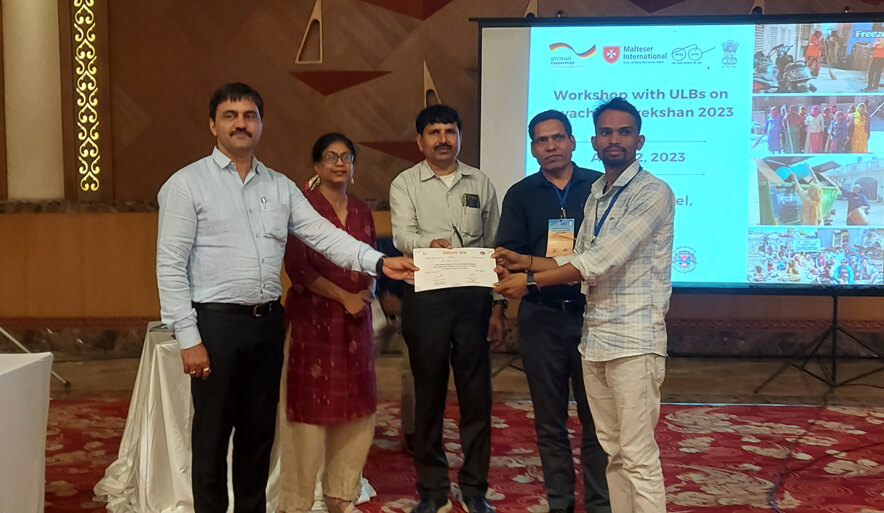
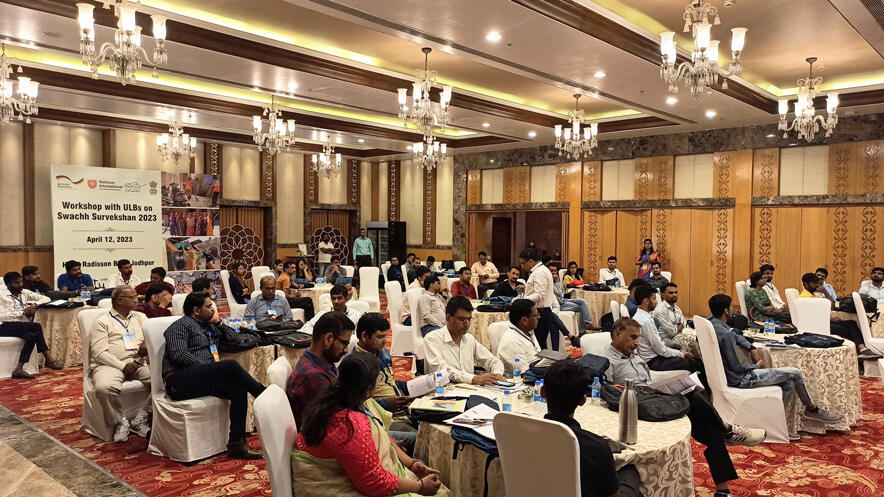
Swachh
Survekshan 2023
April 12, 2023
Jodhpur, Rajasthan
UNNATI and All India Institute of Local Self-Government (AIILSG) organized a workshop on
Swachh Survekshan 2023 at the Radisson Hotel, Jodhpur. The workshop aimed
to understand the processes, indicators, and assessment of the Swachh Survekshan 2023
toolkit and to emphasize the importance of involving the community in waste management
efforts.
The first session was focused on the importance of the Swachh Survekshan 2023 toolkit, the
responsibilities of Urban Local Bodies towards waste management, and the significance of
involving the community in these efforts.
The second session was conducted by Dr Harbhajan Singh, BCC specialist and Specialist in
Institutional Development and Governance, who conducted a highly interactive session. The
session focused on the Swachh Survekshan 2023 toolkit, a comprehensive guidebook which
includes various modules covering different aspects of waste management, namely segregation,
collection, transportation, processing, and disposal. He also shed light on what all
parameters are checked during the actual on-ground assessment.
Dr Singh also talked about various challenges and how Urban Local Bodies can prepare for
these challenges during the assessment. He also extended his hand to support the ULBs along
with Unnati’s support for technical, training, and procurement aspects with regard to Swachh
Bharat Mission.
The event experienced several thought-provoking discussions and Q&A sessions. Shri Mohd.
Yusuf, brand ambassador of Jodhpur Nagar Nigam and Shri Sumit Maheshwari, IEC Expert at
Jodhpur Nagar Nigam also shared some of the best practices from around the world,
emphasizing how they can be adapted to local contexts.Mr Yousuf, promotes segregation at
source in the city through his own efforts, while Mr Maheshwari promotes 3 R activities
(Reduce-Reuse-Recycle) by reducing single-use plastics products.
UNNATI and All India Institute of Local Self-Government was a valuable learning experience
for all participants and we look forward to continued efforts towards a cleaner environment.
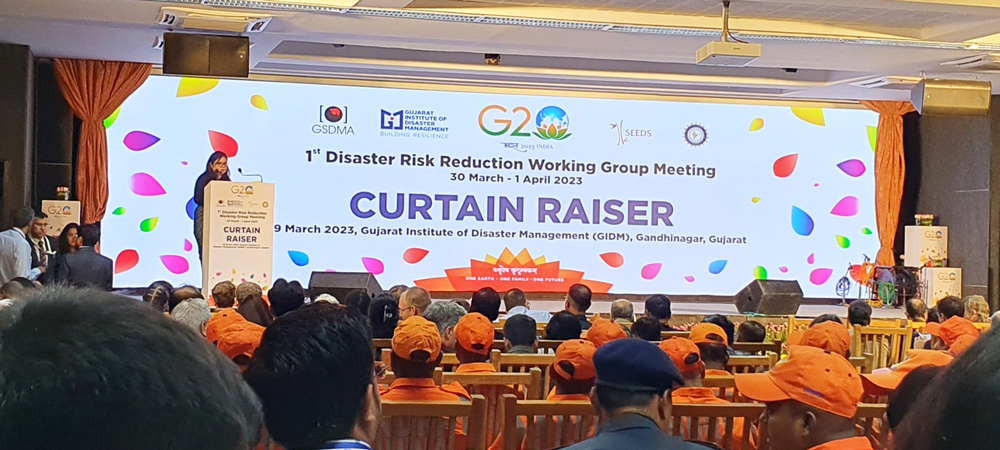
The Curtain Raiser
event' - under India's Presidency of G20 Meeting of
Disaster Risk Reduction Working Group
March 29, 2023
Gujarat Institute of Disaster Management (GIDM)
UNNATI participated in the Disaster Risk Reduction Working Group organized
under India's Presidency of G20 by the Gujarat Institute of Disaster
Management (GIDM). The Curtain Raiser event's theme was – "Learning from
Disasters: Memorialising disasters, learning, building back better, investing in
resilience".
The objective of the Curtain Raiser event was to convene different stakeholders both from
disaster substantive streams and the community to leverage disaster memory for a resilient
future amidst uncertainties. This interactive panel session was organized to provide a
platform for all the participating countries and organizations to share their experiences of
disasters, particularly geophysical disasters and how they have used learning from a
disaster to design a green, inclusive and resilient future.
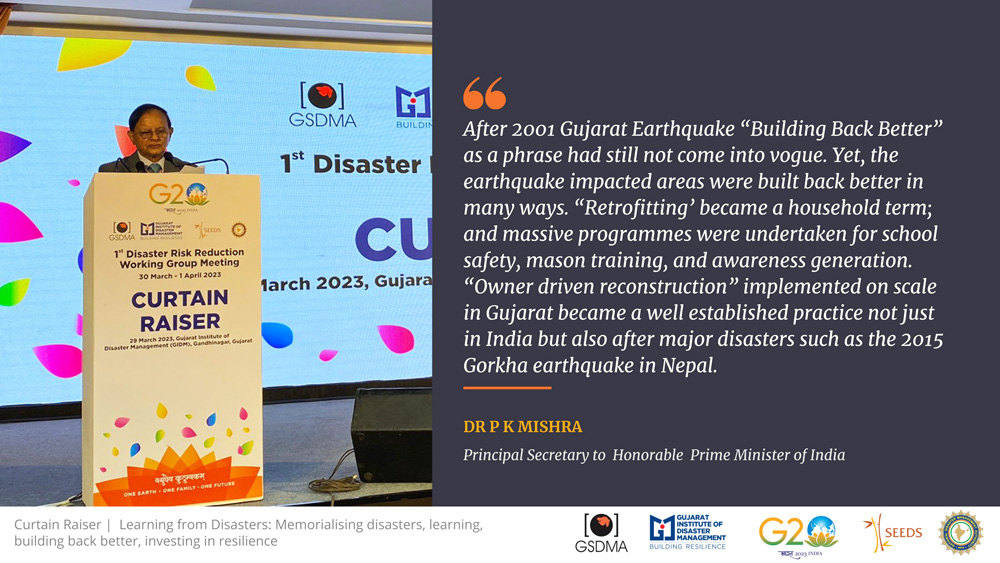
Dr. P K Mishra, Principal Secretary to the Honorable Prime Minister of India, chaired the
event. The panel members were – Mr Kamal Kishore, Member Secretary, NDMA, India; Dr
RadityaJati, Deputy Minister, National Agency for Disaster Management (BNPB), Indonesia; Ms
Rita Missal, UNDP, USA; Mr Rajeev Kathpalia, Architect, Smritivan, India; Mr Agostino
Goretti, Italy; Ms Nabetani Amy, Volunteer interpreter and storyteller, Japan. Dr Anshu
Sharma, Co-founder of SEEDS India, moderated the interactive panel discussion.
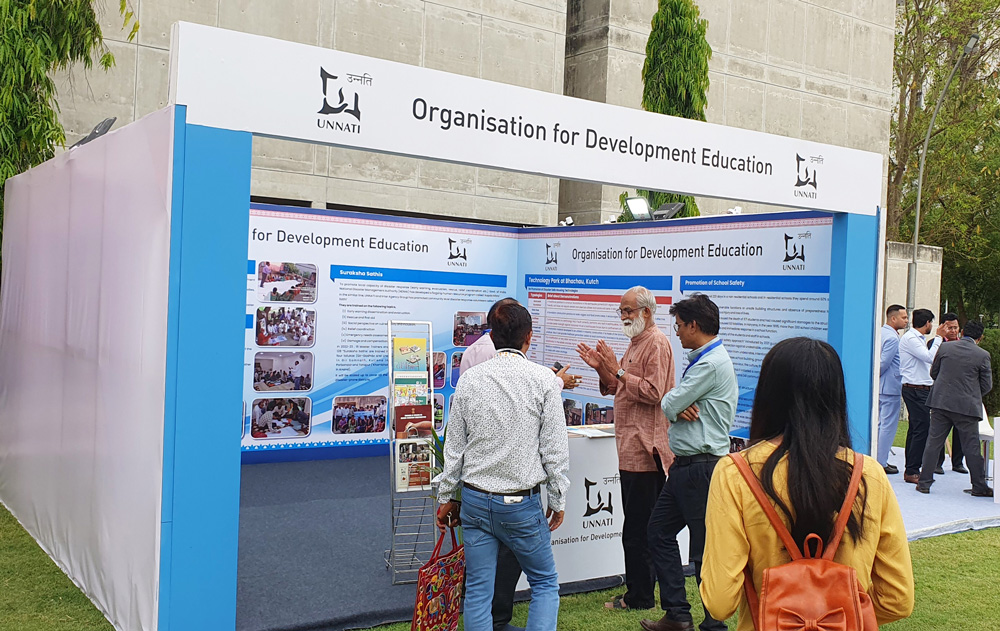
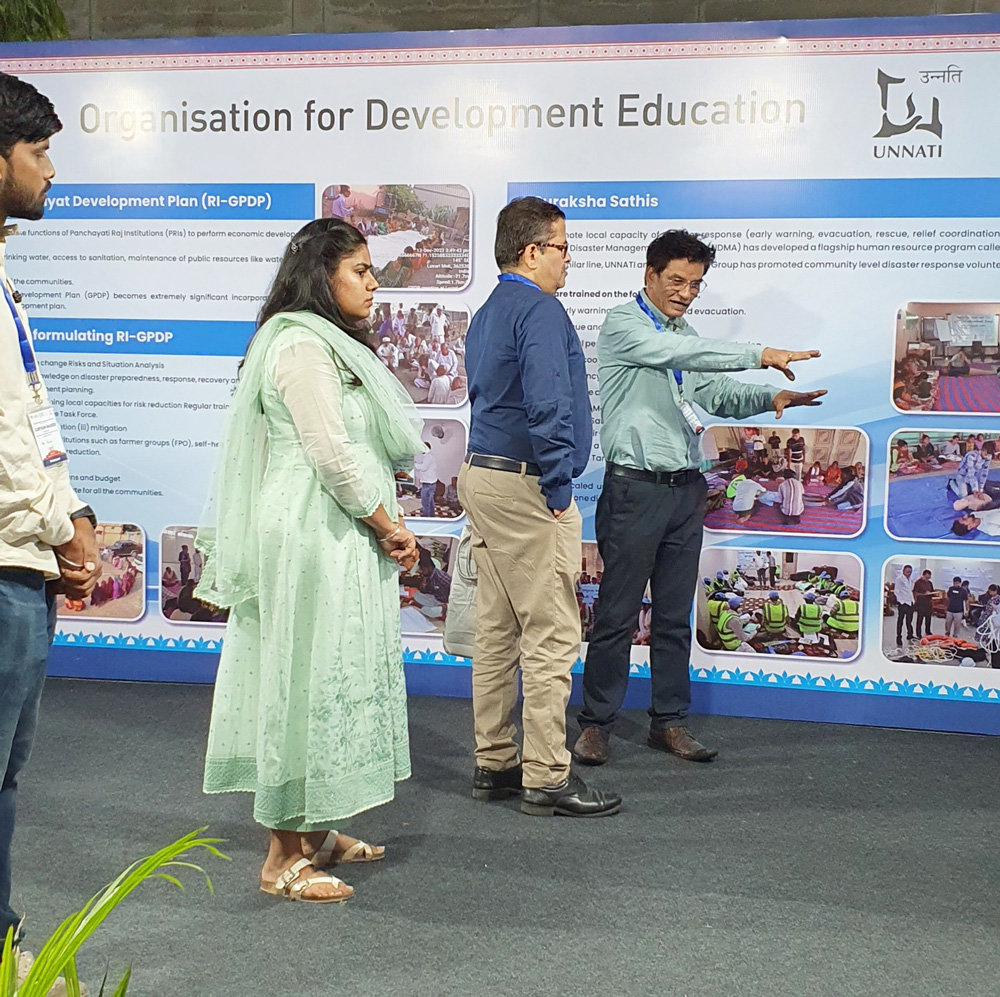
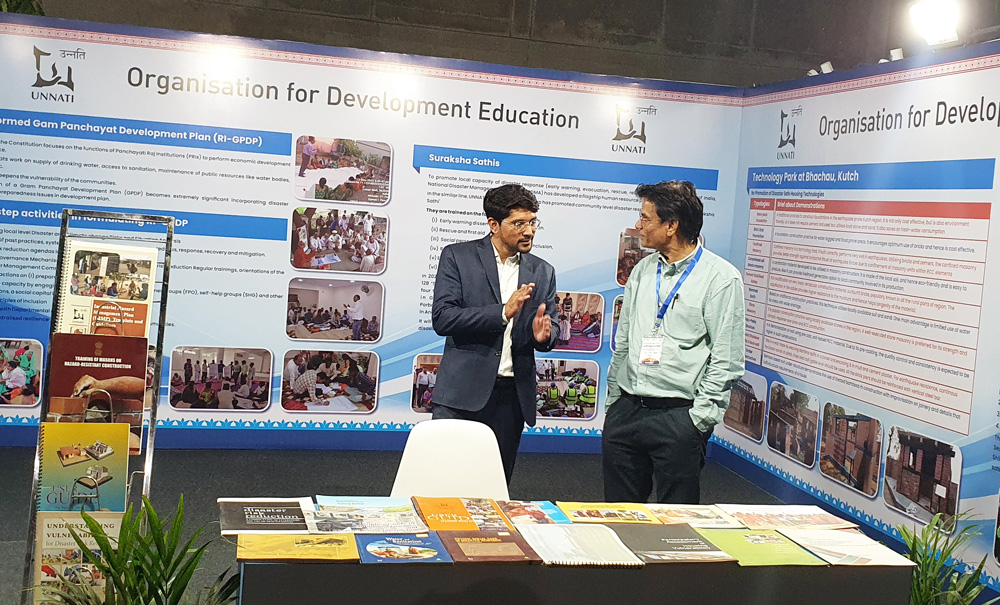
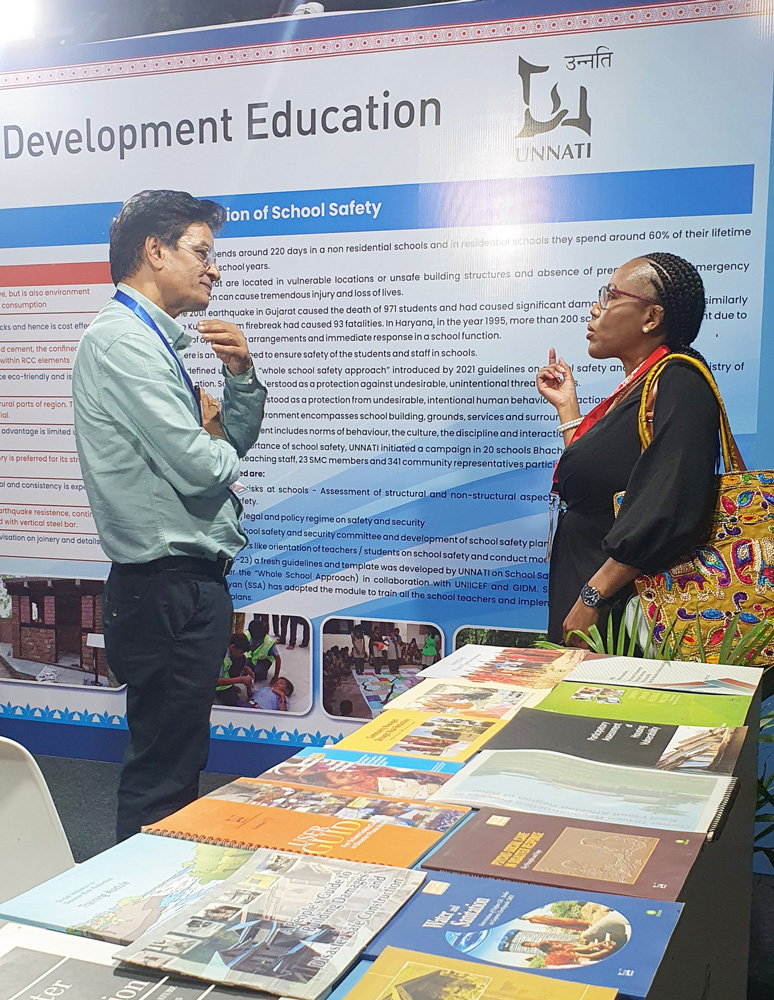
The exhibition stall set up by UNNATI in the flagship G20 working group on Disaster Risk
Reduction covered the following six themes: Disaster Risk Reduction (DRR) towards Building
Community Resilience, the role of the Inter-Agency Group (IAG) Gujarat, Risk-Informed Gram
Panchayat Development Plan, SurakshaSathis, Promotion of Disaster safe housing technologies
through the Technology park at Kutch, and Promotion of School Safety. Delegates from South
Africa, the United Kingdom, Food and Agriculture Organization (FAO), and UNDP were
interested to know more about the Mainstreaming of DRR in the Development approach
undertaken by the organization. Further, Vikrant Mahajan, CEO of Sphere India and Nisarg
Dave, Director of Disaster Management, GIDM had a brief discussion on the CBDRR approaches
undertaken by UNNATI in its recent initiatives like SurakshaSathis.
Citizen Leaders
Training
15-16 March, 2023
Poshina, Gujarat
Two days Citizen Leaders (CL) training organised in Poshina. 14 women and 16 men
participated in this training.
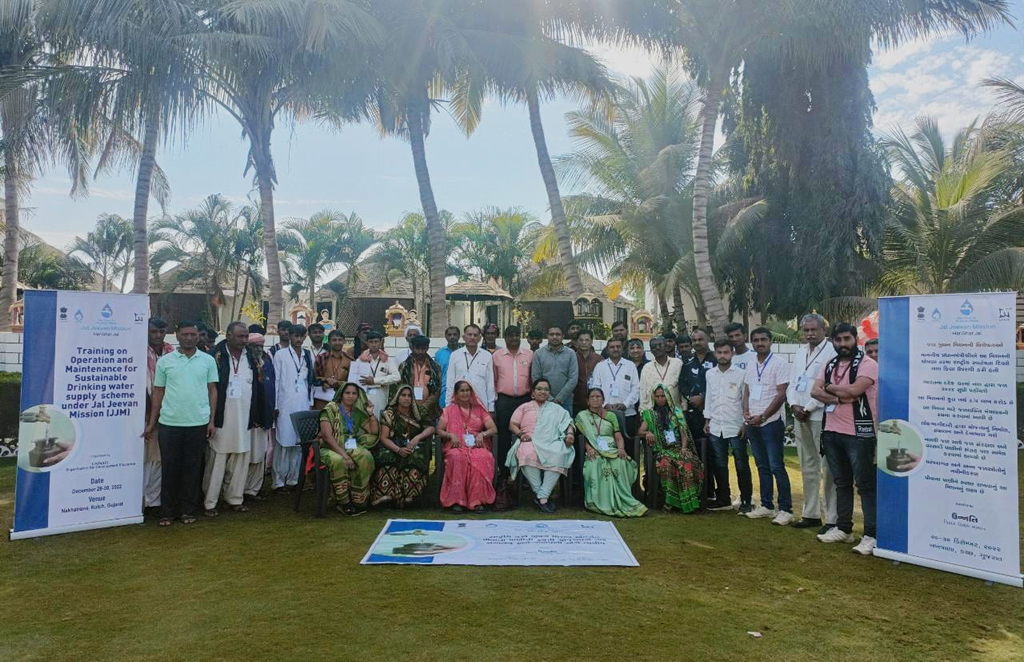
L-3 level Training under
National Jal Jeevan Mission (NJJM)
26-27 December, 2022 - Rajkot District
29-30 December, 2022 - Kutch District
Under National Jal Jeevan Mission (NJJM) UNNATI organised two L-3 level training for Rajkot
District (Jasdhan and Vinchia Taluka) and Kutch District (Lakhpat Taluka) during December 26
- 27 and 29-30, 2022, respectively. Gram Panchayat representatives and Pani Samiti members
participated in the trainings. There were 64 participants In the Rajkot training and 51
participants in the Kutch training. The District Water Supply Unit and WASMO District Unit
Head addressed the participants. They highlighted the importance of JJM in making household
level tap drinking water available, importance of community management in maintenance of
water supply infrastructure and collection of tariff. They also communicated on importance
of ‘purtu pani, samaysar pani ane suddha pani’ (adequate water supply, regular water supply
and contamination free water). Other sessions are on strengthening local water resources,
rainwater harvesting, convergence of schemes, stakeholder participation including women and
vulnerable sections of the community like Dalits, Muslims, Kolis and Maldharis in improving
water resource management. The Rajkot group visited Rajsamadia Gram Panchayat of Rajkot
Taluka and Kutch group visited Kanakpar Gram Panchayat of Abhadasa Taluka. In the exposure
visit they saw and discussed about functioning of Pani Samiti, maintenance of water supply
infrastructure like water collection sump, motor and valve, pipelines and electric supply,
water testing, equitable distribution mechanism and conflict resolution process. In the
feedback, the participants find the training motivational and informative which they showed
willingness to improve and strengthen their respective village water supply envisioned by
the Hon’ble Prime Minister.
Water Leader
Convention Event
24-25th November, 2022
Jodhpur, Rajasthan
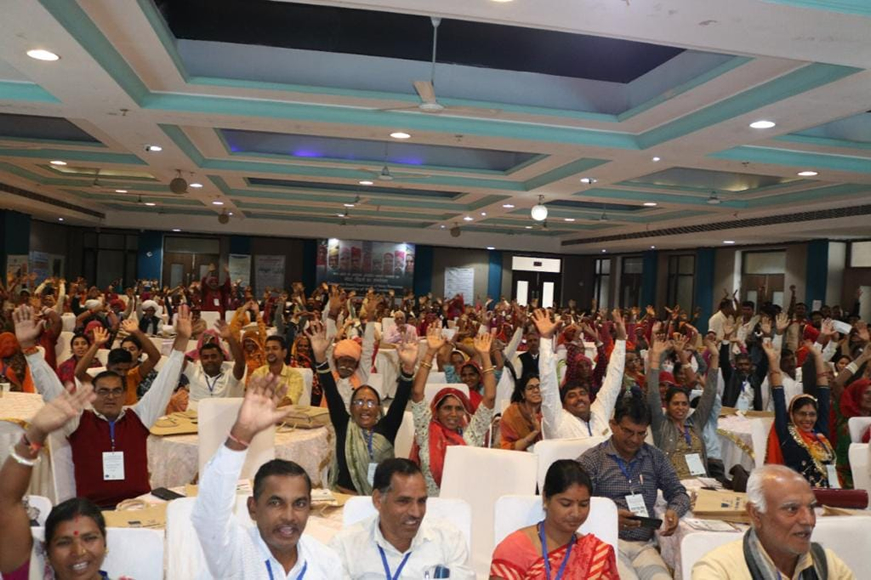
A two-day state-level convention of community water leaders and practitioners was organised
on November 24-25, 2022 at Jodhpur, Rajasthan. This convention provided a platform for open
learning and sharing with a hope to bring out further areas of research and enquiry, diverse
experiences on the leadership provided by vulnerable groups, ideas for innovations as well
as examples to follow and replicate on resilience building and moving towards people-centred
policy advocacy. Additionally, it was a great opportunity for Jal Sahelis to meet and
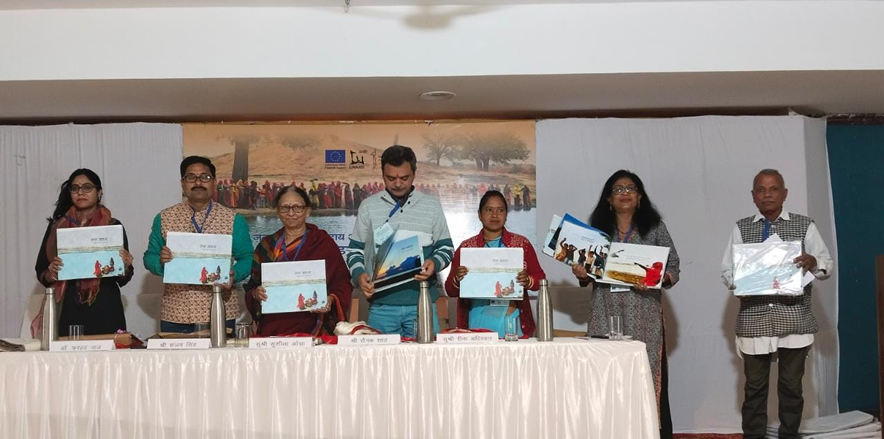
interact with other water leaders and champions. Our latest book Rag Maruj: Stories of
talaab in Thar Desert featuring 16 Talaab of western Rajasthan, their history and their
current community governance practices was also launched during the event.
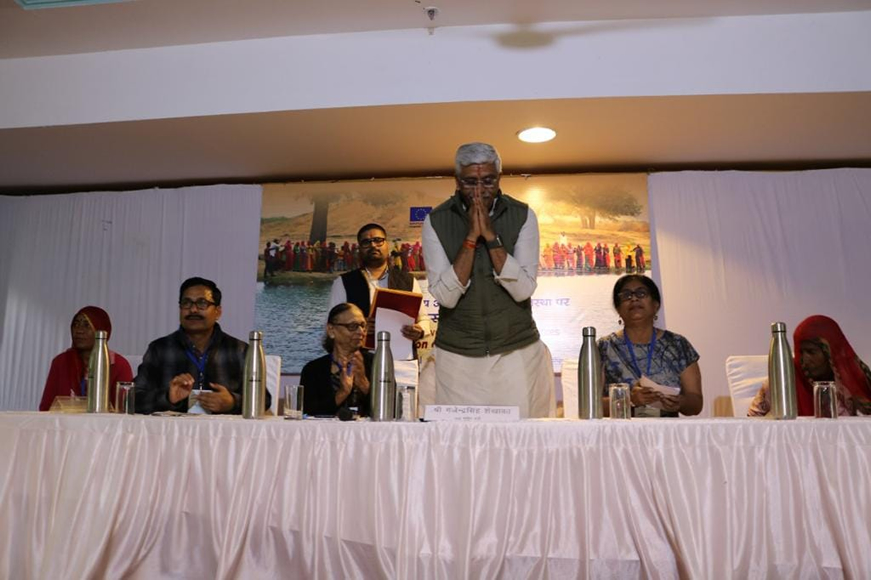
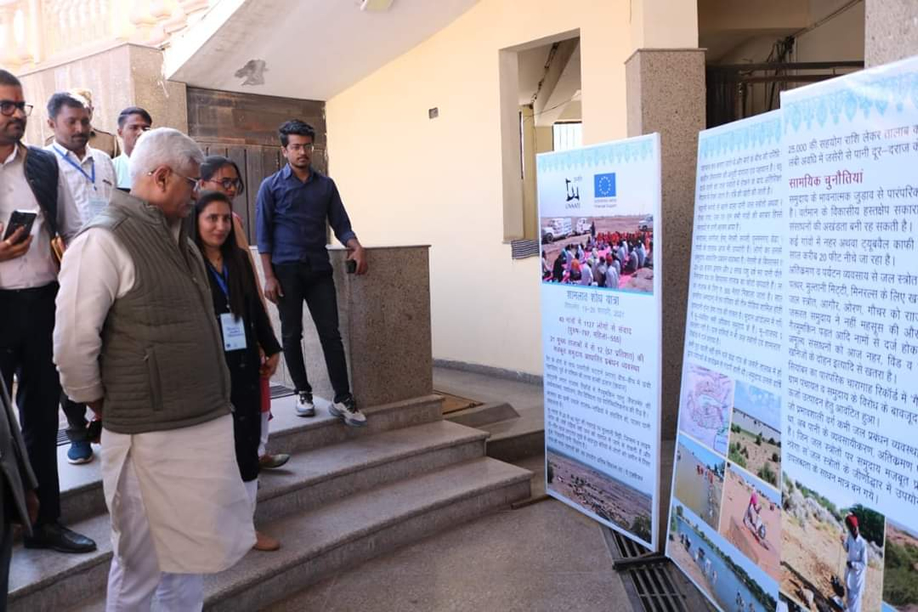
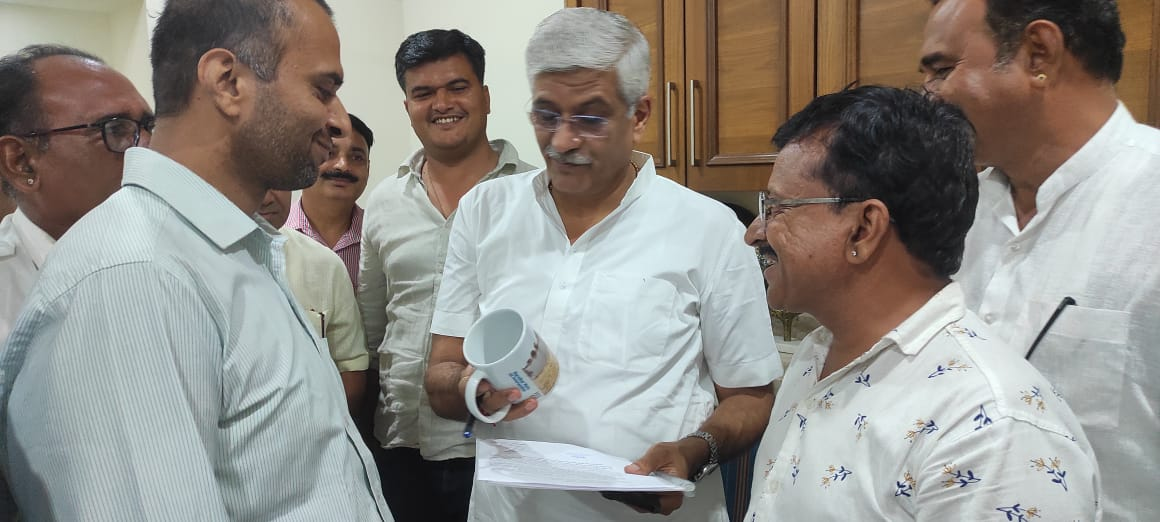
Jal Shakti Mantri, Shri Gajendra Singh Shekhawat attended the convention and addressed the
representatives of the program. He appreciated the collaboration of Jal Saheli Group and
Panchayat for water resource management and mentioned that it should be actively promoted.
Workshop on
Climate Change and Urban Risk Resilience Program
22nd November, 2022
AMA, Ahmedabad
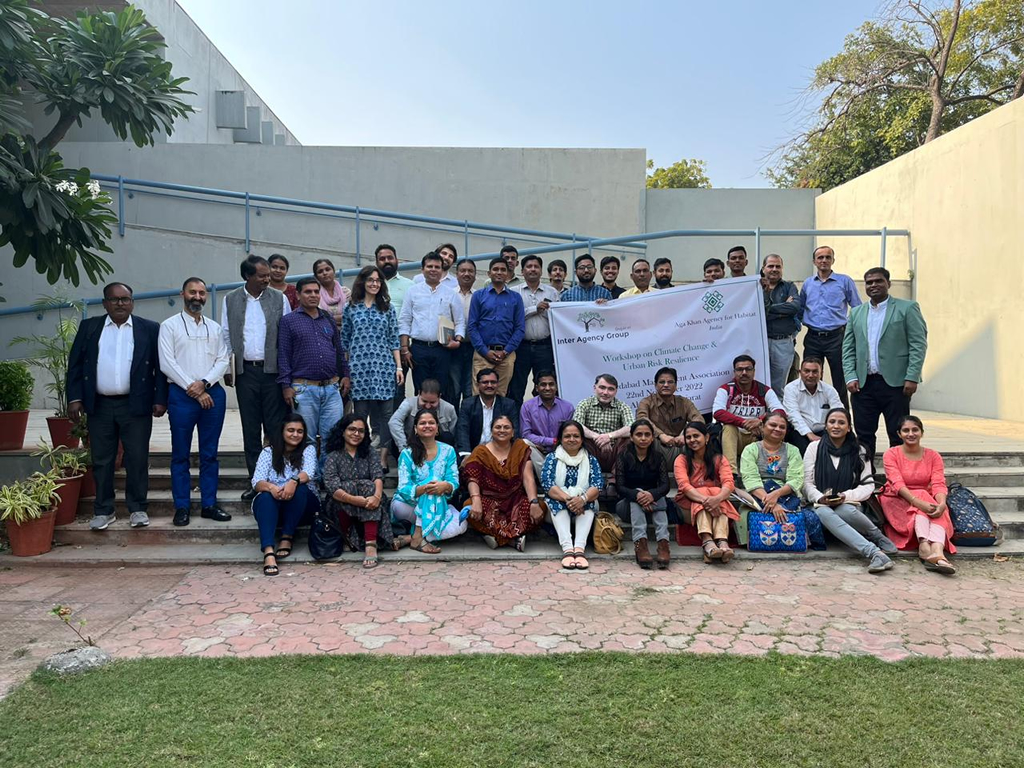
Aga Khan Agency for Habitat India and IAG Gujarat held a workshop on Climate Change and
Urban risk resilience at Ahmedabad Management Association (AMA) Ahmedabad on November 22nd.
UNNATI is the secretariat of IAG Gujarat. The workshop focused on a study which was
conducted in two vulnerable slum areas of Ahmedabad highlighting the need of resilient and
inclusive city approach so that the urban systems, communities, and infrastructure can
endure shocks and harsh weather that minimizes the vulnerability of the citizens. It had
participation from around 50 representatives of different agencies working on Urban
issues.The discussions which took place during the workshop will help in designing further
initiatives to tackle the need for climate change adaptation in the city.
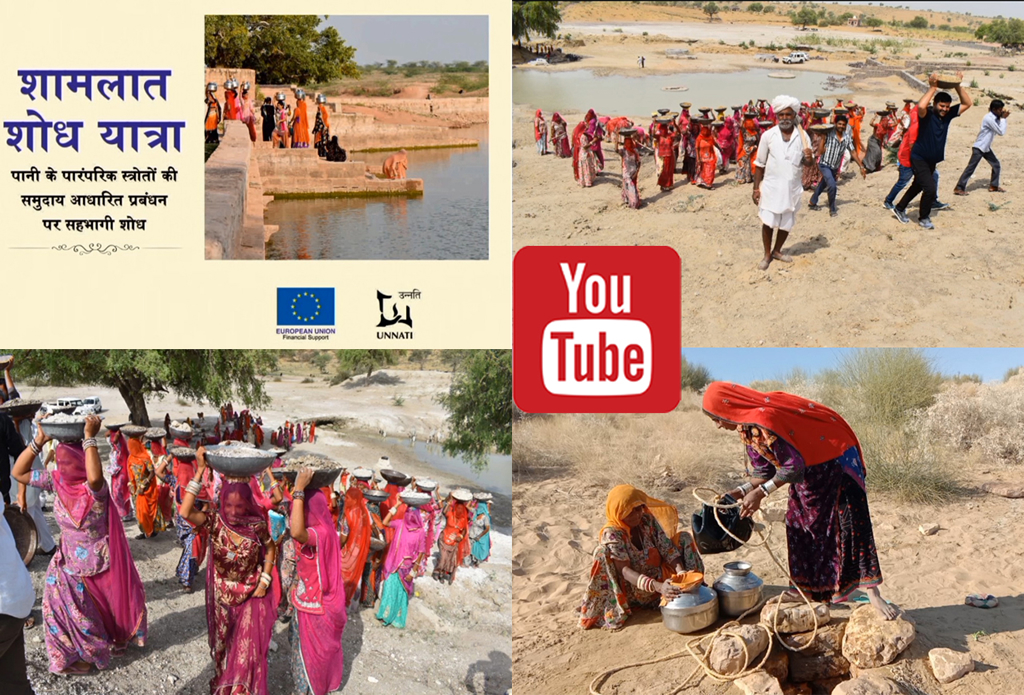
This is the video report
of Shodh Yatra on Community Water Resources Management in Western Rajasthan made by
UNNATI and supported by European Union
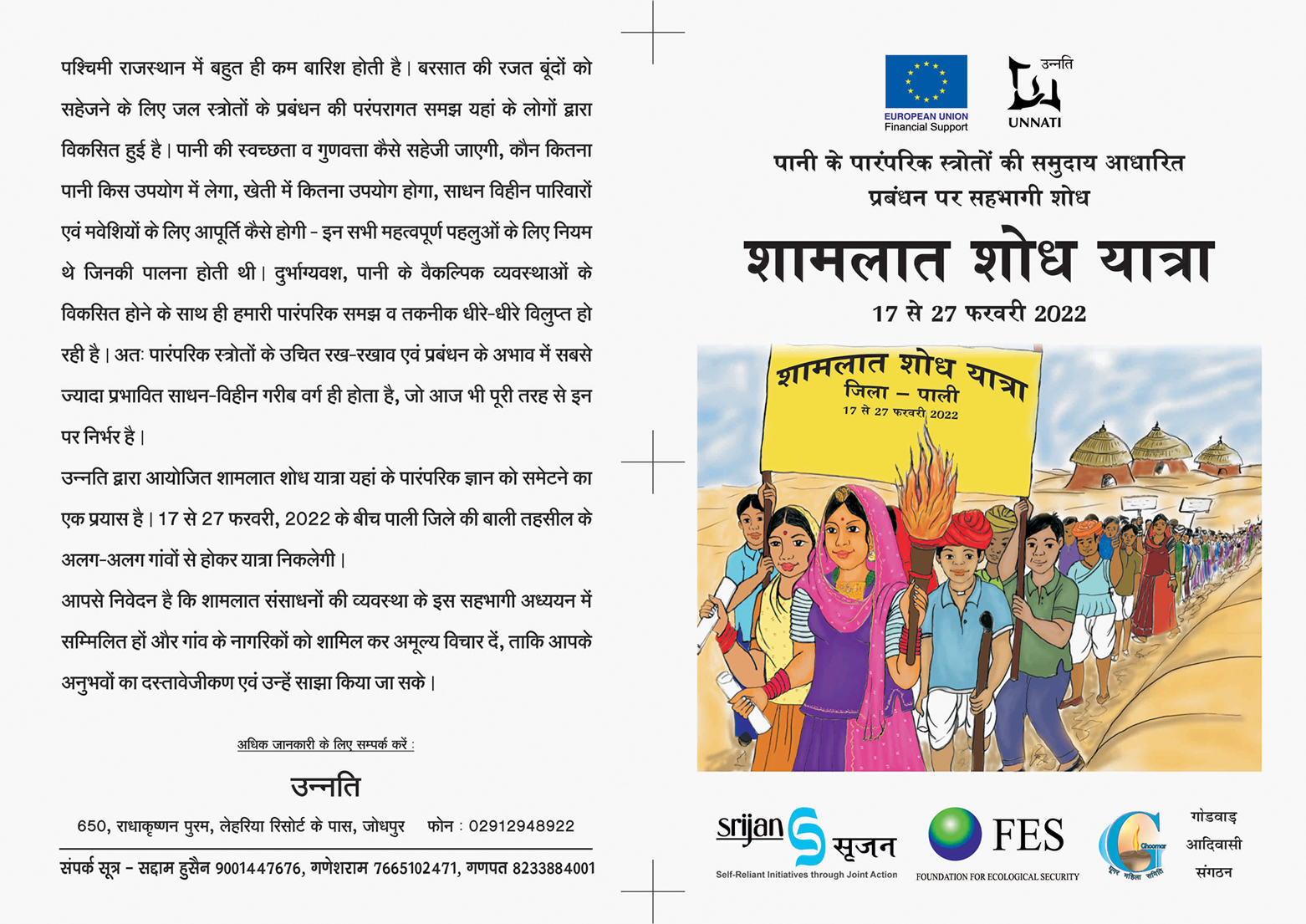
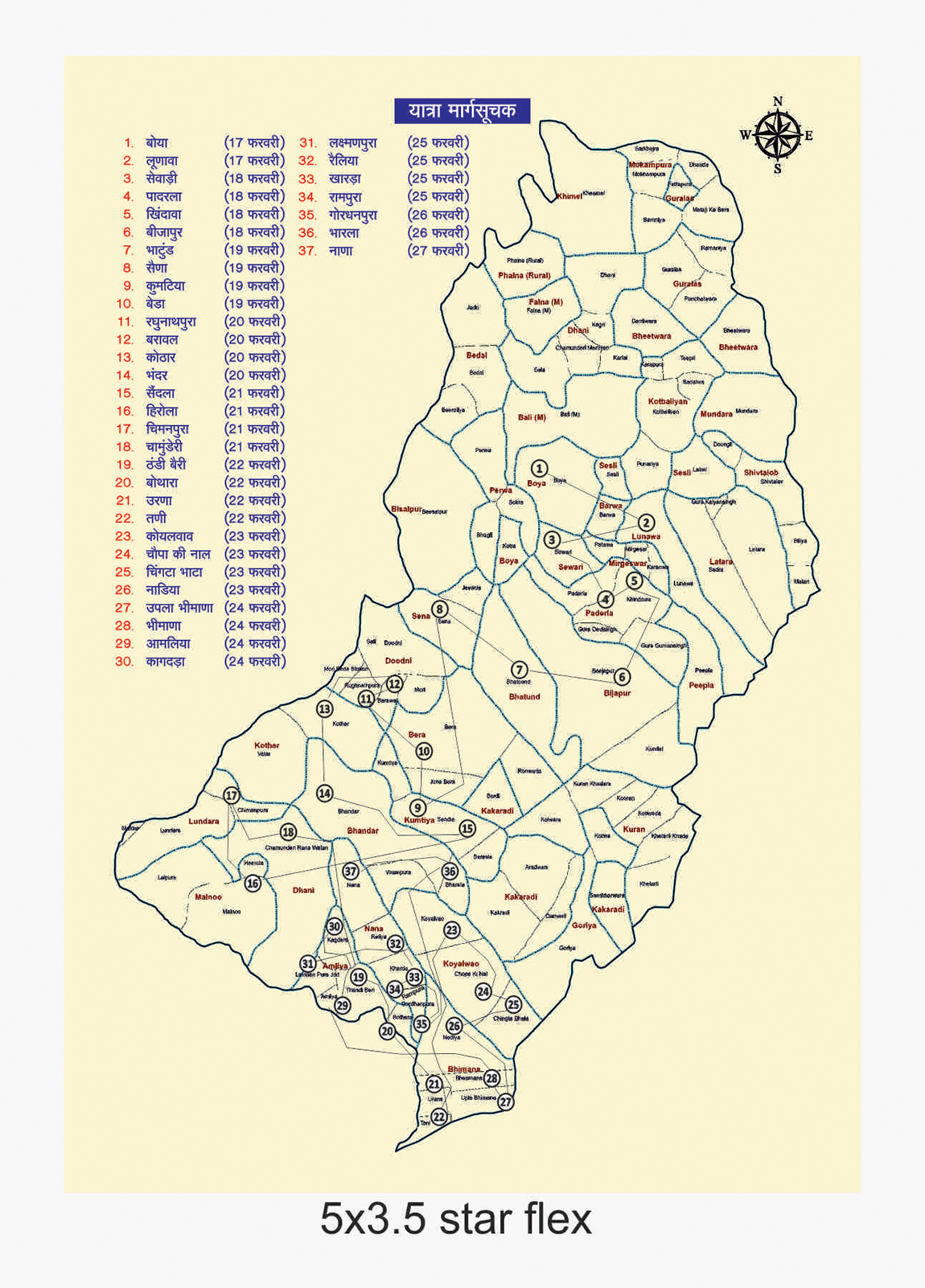
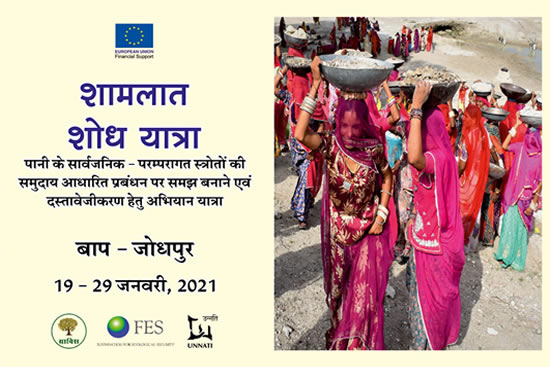
We present you a report of 'Shamlat Shodh Yatra' on Community Water Resources Management in
Western Rajasthan made by UNNATI and supported by European Union. The yatra was conducted in
6 districts of Rajasthan covering 40 villages. As the name suggests, it primarily involves a
team moving from village to village and holding discussions with people and key informants
to understand and document the governance mechanisms.
A short film made by
UNNATI on the subject of Environmental Education with
School Children in Western Rajasthan, supported by European Union
Training of Trainers
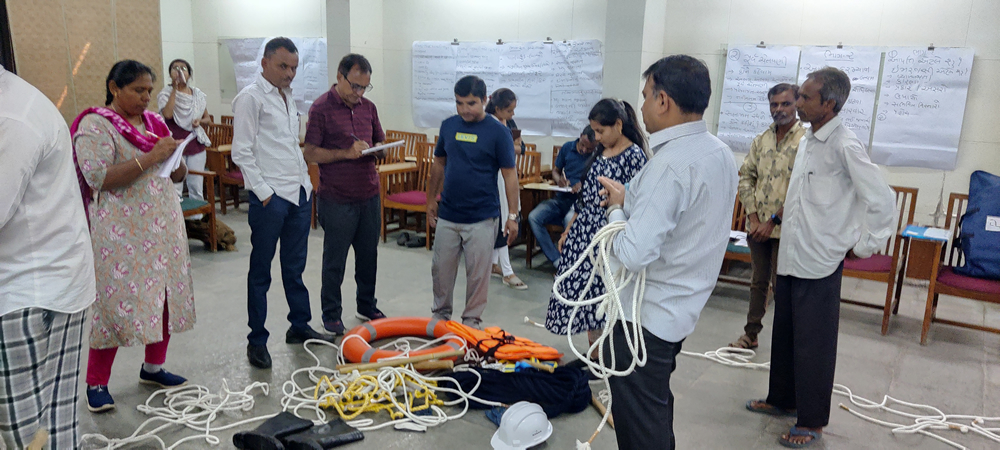
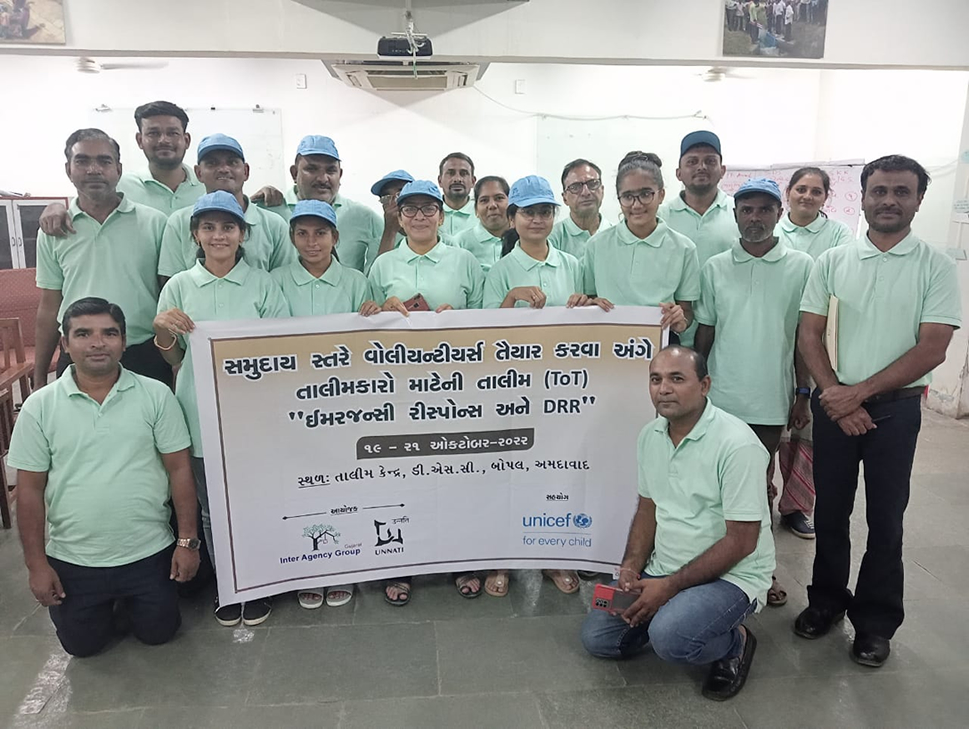
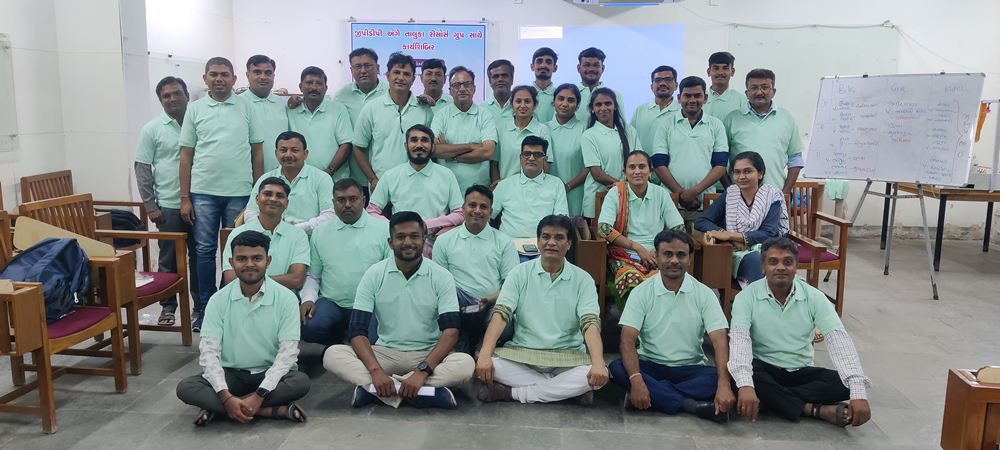
(ToT) for Emergency Response and Disaster Risk Reduction
19th – 21st October, 2022
DSC, Ahmedabad
In an emergency response, the role of a local community is paramount since they are the
first responders during the initial 72 hours. It was decided to develop community-based
volunteers of around 120 members in four districts including Gir-Somnath, Porbandar, Amreli
and Anand. These volunteers will be trained on the issues of early warning and evacuation,
rescue and first aid, relief coordination and management, emergency need assessment, and
facilitating the recovery process in the community. These 120 volunteers will be trained by
four master trainers in each district. The ToT (training of trainers) was organised for
these 16 master trainers of four districts. These trained master trainers will organise and
conduct three rounds of trainings for at least 30 members of volunteer groups in each of the
districts. This local cadre will not only be helping the community to work on DRR and
Climate Risk Adaptation but will also be leading the process for response in an emergency.
GPDP Workshop with
District level Resource Group
18th October, 2022
DSC, Ahmedabad
In order to prepare a climate and disaster risk informed, child-friendly, gender-sensitive
Gram Panchayat Development Plan at Banaskantha, Gir-Somnath and Kutch, a taluka resource
group of 31 members were trained on October 18, 2022. The training was focused on a concept
of Gram Panchayat Development Plan, process of preparing a plan and a strategy to include
disaster risk and gender and children specific issues into the development plan. At the end
of a training, the district level resource group identified GPs to do a pilot planning,
preparing a pilot GPDP in their respective districts. The pilot GPDP will be prepared in
November and shared with the district authorities. The authorities shall use this model plan
to popularise and scale up in their districts. This training was primarily attended by local
representatives and volunteers of the respective districts.
School Event In
Navodabera
17th October, 2022
Patodi, Rajasthan
A school event had been organised by UNNATI at Navodabera’s Government Higher Secondary
School on October 17. The students of classes 6 to 12 were informed about the local
environmental status of water resources, workings of Gram Panchayat as well as Biodiversity
in this event.The prime objective of this event was to improve the understanding of these
students through practical exercises on the subject of local flora and fauna. We formed
three groups of the students and conducted a tour of the village under the guidance of local
resource persons and experts. This tour covered Panchayat Bhawan, village well, Anganwadi
Centre and fields after which the students presented their learnings from the tour.
UNNATI organises these events in all the local schools of the area. The understanding of
students is developed by connecting these environmental subjects with local matters.
Gram Panchayat
Development Plan Workshop
10-12th October, 2022
Jodhpur, Rajasthan
A workshop was organized on Methods and Process of Preparation of Gram Panchayat
Development Plan in Jodhpur on 10 - 12 October. 13 civil society organizations from
Rajasthan participated in this workshop. It was organized under the European Union supported
project for capacity department of CSOs. On the first day, the methods of participatory
needs assessment and steps in conducting the GPDP was covered. On the second day, a field
exercise was organized to provide hands on experience on needs assessment and consultation
with the community and Gram Panchayat representatives. On the third day, organisational
plans for GPDP facilitation and mutual support were worked out. The workshop was co-hosted
by the Rajasthan chapter of National Coalition on Natural Farming.
UNNATI met with
the Minister of Jal Shakti, Government of India, Shri Gajendra Singh Shekhawat
9th October, 2022
Rajasthan
The representatives of UNNATI met with the Minister of Jal Shakti, Government of India,
Shri Gajendra Singh Shekhawat, on the 9th of October 2022. The main purpose of the meeting
was to inform him about the efforts being made by UNNATI to revive traditional water
resources. We also wanted to invite the minister to the upcoming Water Leader Convention of
Western Rajasthan. During the meeting, we presented him with a coffee mug from UNNATI, which
had a photo of the Shram Daan (Volunteer Physical Work) done by women. Mr. Shekhawat
appreciated the efforts being made by UNNATI and also invited us to take a look at the
efforts and resolutions made by him in the district.
Visit to N M Sadguru
Water and Development Foundation
7th October, 2022
Dahod
Unnati’s founder and Director Binoy Acharya paid a visit to Sadguru Water and Development
Foundation in Dahod. He met the Co-founder Ms Sharmishta Jagawat and other colleagues and
discussed contemporary issues. Sharmishta Ben was one of the board members of UNNATI.
Training of PRI
Representatives
27th September, 2022
Patodi
The training of the representatives of the Gram Panchayats of Patodi Panchayat Samiti was
held on September 27th. The prime objective of this training was to create an understanding
of the utility of water sources, pastures and other natural and traditional public
resources, their linkage to life and livelihood and their protection, conservation,
development and management in the current context. Apart from this, the focus was on the
development of these resources and on natural farming in the Gram Panchayat Development
Plan. Some of the important matters are mentioned below:
In order to encourage and motivate various village panchayats to implement the
provisions, information was imparted about the management system and legal provisions of
water sources, Chargada and natural resources with the help of engaging activities and
games.
Awareness of equipment resources and library along with natural farming was spread. It
was also assured that suggestions which are given by public representatives will be
implemented. They mentioned that documentation can be developed on the basis of practical
usage which measures how much area can be harvested with the help of crop cutters and bund
makers. The cost of drivers and petrol should also be noted. Furthermore, demonstrations
should also take place in some centres so that people are motivated to use them.
On the launch of the training, the Block Development Officer Ukaram ji Patel addressed
the representatives and gave an inspirational speech about participation in training.
In what ways can infrastructural development complement human development and what can
Gram Panchayats do to achieve sustainable goals were some of the main subjects of the
discussion. The focus was put on activating local committees to strengthen their
implementation, review and monitoring while planning these goals.
To conclude, the public representatives agreed to consider the water sources, other public
resources and natural farming during the preparation of the Gram Panchayat Development Plan.
UNNATI under its
Disaster Risk Reduction Program is a Knowledge Partner in the
Gujarat State Government initiative of School safety and Security
September 6, 2022
GIDM, Gandhinagar
Gujarat Institute of Disaster Management (GIDM) convened a Program Development and Review
Committee (PDRC) meeting on 6th September 2022 on School Safety and Security inviting
various Government Departments including Unicef and UNNATI. Subsequent to it UNNATI
developed a training module and made it available to GIDM for rolling out the training. The
first round of Master Training of Trainers (MToT) was organised for Samagra Sikha on 26th to
28th September 2022. Samagra Sikha of Gujarat has identified 217 MToT participants who will
cover 50,000 primary and secondary school. UNNATI is proud to be associated with this
initiative as a Knowledge Partner along with Unicef.
Rozi, Roti and
Samajik Suraksha Abhiyan
August 2022
Poshina Block, Sabarkantha
The ‘Rozi, Roti aur Samajik Suraksha’ campaign has been ongoing in Poshina block of
Sabarkatha as a tool of Community-Based Monitoring process. It aims to achieve an improved
delivery of public programs ensuring full access to the entitlements for vulnerable
communities. The campaign will cover all the 59 villages of Poshina block focusing on five
focal public programs and schemes- Ayushman Bharat, PM Kisan Samman Nidhi Yojana, PDS linked
ration entitlement under NFSA, MGNREGS and pensions.
During the campaign, village meetings are held in a common public place where people can
receive various information regarding public programmes and schemes.
Community-Based Monitoring (CBM) is conducted as a tool for Social Accountability to track
the quality of public service delivery, leading to the creation of an empowered people's
voice. The process includes (i) Information camp (ii) Verification - actually received v/s
entitlement using both manual and electronic information, Eg. Checking ration entitlements
using My Ration App, (iii) Sharing/ Presentation/ publishing the information on verification
at the village level and collection of testimonies, (iv) Promote civic action to improve the
situation, (v) Sharing of information with GPs and holding Gram Panchayat Coordination
Committee meetings (GPCC) with the service institutions for redressing local bottlenecks and
improvement, and (vi) Unresolved issued are taken up under a grievance redressal process
with higher authorities by the community representatives.
Staff
Development Training on Social Development Perspective and Organisational Systems
August 5-6, 2022
UNNATI Rural Training Centre, Bhachau, Kutch
UNNATI organised a two-day participatory training program for community facilitators,
program associates, program co-ordinators and new employees of the organisation on August
5th and 6th. The training program was organised to ensure staff development on social
development perspective and organisational systems. The training was divided into ten
sections lasting two days and running from 9:30 am to 6:30 pm at Bhachau Rural Campus. A
total of 25 participants from different field offices and verticals had participated in this
training programme.
The training enabled the employees to understand their work and role in the organisation
while also, strengthening their capacity to make good decisions, engage effectively and
promote positive change within the sector.
The sessions consisted of interesting games and activities to develop an understanding of
social development perspectives and groupwork. Participants also sang songs in between the
sessions to maintain the high spirits of the training. The participatory activities and
tools served as an important first step in the process leading into actual staff development
training.
Training of IAG
members on Climate Change Adaptation, Disaster Risk Reduction and Emergency Response
Coordination
27th to 29th July 2022
Development Support Centre, Ahmedabad
A residential training for IAG Member organizations was planned for orienting organizations
who are working directly with the community in disaster-prone areas, on the following
topics:
Climate Change Adaptation,
Disaster Risk Reduction and mainstreaming it in development planning, and
Emergency Response Coordination and Management.
With representation from 30 organizations, the three-day workshop provided an in-depth
understanding of global issues such as Climate Change and Disasters, and of local-level
implications of these phenomena. The experts who were invited to conduct thematic sessions-
Mahesh Pandya (Director, Paryavaran Mitra), Mr Shwetal Shah (Technical Advisor, Climate
Change Department, Government of Gujarat), Tapan Patel (Co-Founder, Centre for Integrated
Development), Dinesh Patil (Social Policy Specialist, UNICEF, Gandhinagar), Janki Joshi
(Consultant, UNICEF, Gandhinagar), Pratima Singh (Asst. Professor, Architecture and
Planning, Nirma University) and Shyamnarayan Dave (WASH Specialist, UNICEF Gandhinagar)-
shared their years of knowledge on specific topics and also discussed how local level
implementation of these global concepts. The participants also shared their experiences on
the last day and elaborated on how they were able to relate the discussions with issues they
were identifying on the ground. The participants also have been suggested to come up with a
plan on how a risk-informed lens can be developed and implemented by them in the coming
months.
Summer Camps
Bhachau, Kutch
Sindhari, Rajasthan
Despite the education being transitioned from offline to online, the learning outcomes were
not achieved fully. Instead, public and private schools witnessed a severe rise in dropouts,
learning losses, and an increase in the digital divide.
Summer camps were organised in our LAMP project at Bhachau and Sindhari centres of UNNATI.
The camps primarily focused on students entering 9th grade from 8th grade. These camps had
introduced various teaching and learning materials to teachers, facilitators as well as
students which proved to be extremely resourceful as part of the whole education process.
While it focused on outdoor activities such as sports, crafts and team-building exercises,
it also infused core subjects such as maths, science, and English teaching to help spark
children’s enthusiasm for learning. Various experiments were performed using science kits to
explain the activities of chapters. We also reused the resources and materials which had
been created and utilised earlierin ‘Welcome English’ programme.
According to the meetings which were held with the parents of these students, the camps
increased children’s self-confidence by allowing them to try new things, develop skills and
overcome challenges in a supportive environment. Children were greeting and communicating in
English language in their houses and neighbourhoods. It provided a rich setting for
developing positive youth outcomes that support success in schools as well as lives.
Youth for
Climate Action
June 5, 2022
10:30 AM – 1 PM
GEER Foundation, Gandhinagar
A summit presenting 'Youth for Climate Action' will be held on June 5 to commemorate World
Environment Day of 2022. The summit will discuss, debate and deliver on climate solutions
and strategies. It is being organised by Elixir Foundation, UNICEF India, Earth Day Network,
Gujarat Youth Forum, UNNATI & GEER Foundation, bringing together stakeholders from
Government, Private Sector, Civil Society & Young people who shall discuss the role of youth
in mitigating climate change.
All are invited to join us on 5th June 2022, 10:30 am - 1 pm
Venue: GEER Foundation, Gandhinagar (Transport from Ahmedabad to Gandhinagar & vice versa
will be arranged. Details provided upon registration)
Receive a free participation kit and certificate for being a part of the event!
Shamlat
Samvad (Dialogue on Shamlat Bandhan Series-2)
June 2, 2022
Time: 3 pm – 4 pm
ZOOM Meeting
Challenges faced under 'Apna Khet – Apna Kaam' Scheme in NREGA
The government of India has made conscious efforts to make a permanent improvement in the
livelihood of rural families by shifting public works towards the works of personal benefits
under the ‘Apna Khet – Apna Kaam’ scheme in NREGA. Under this scheme, primarily, SC, ST as
well as BPL families and after them, marginal and small tenants are benefitted, so that
their land can be developed and there can be a permanent improvement in the livelihood of
the families. The works under this scheme mainly include land development in the fields,
digging, land levelling, Plantations, horticulture, Goat Shelter etc. Works upto 3 Lakh
rupees have been allowed under this scheme wherein the expenditure upto 1.20 Lakh for the
material items have been approved.
A lot of eligible beneficiaries have been deprived of the benefits under this scheme.
During the delimitation of Panchayati Raj Institutions in 2018-19, the residents of some
families left their important identity documents such as voter cards, identity cards,
Aadhar, job cards in one panchayat and agricultural land in another panchayat. Due to these
issues, their applications have not been accepted by the Gram Panchayat. Families who do not
own a land are also ineligible to benefit from the scheme.
Shamlat Samvad will be discussing these challenges and their possible solutions on
June 2, Thursday from 3 pm to 4 pm. This will be the second dialogue in the episode and it
will be held through the virtual platform of Zoom. People will share their experiences and
attempt to strengthen the action and advocacy.
UNNATI organizes Shamlat Samvad on the first Thursday of every month for continuous
sharing, discussion, learning, and adaptation. It is a series of online dialogues on water
governance that is being organized to protect, revive and better govern the traditional
ecological resources.
Taluka-Level
Workshop on Strengthening Risk-Informed Gram Panchayat Development Planning
May 19, 2022
Lakhpat Block, Kutch District
A one-day workshop was held at the Taluka Panchayat Office, Lakhpat Taluka, Kutch District,
on strengthening Risk-Informed Gram Panchayat Development Planning (RI-GPDP). UNNATI and
SETU Abhiyan team have helped Panchayats in preparing Risk-Informed GPDPs, facilitating the
process with the newly elected PRIs. An orientation workshop of one day was held for the
Sarpanches, Talathis and Ward Members from those 16 GPs where RI-GPDP planning was
facilitated. The purpose of the event was to share the experience of GPDP planning and
orient them on how to implement it. The workshop was jointly organized by UNNATI and SETU
Abhiyan, supported by UNICEF, Gujarat, where the Taluka Development Officer Nakhatrana
Taluka, Assistant Taluka Development Officer Lakhpat Taluka, Kirit Parmar (Chief of Program
Operations, Gujarat) and ChaynikaPasari (Program Associate) from UNNATI, Manish Acharya
(Director) and Gopal Bharwad (Team Leader) and Heena Yadav (Community Facilitator) from
SETU, and Shyamnarayan Dave (WASH Specialist) Kamini Katiyar (DRR Consultant) and Tejas
Deshmukh (WASH Consultant) from UNICEF, Gujarat were present.
Tribute to Dr
Babasaheb Ambedkar at Different Field Locations
14th April, 2022
Gujarat
Rajasthan
‘Ambedkar Jayanti’ is observed every year on April 14th to acknowledge and honour Dr
Babasaheb Ambedkar’s countless contributions toward the development of a modern India. The
day is significant to Scheduled Caste communities in particular, as Dr Ambedkar primarily
advocated for them as a lawyer and a social reformer. On the occasion of his 131st birth
anniversary, Unnati paid a floral tribute to Dr Bhimrao Ramji Ambedkar who has been guiding
us to strive for equality, liberty and freedom over the years. We reminisced the social
movements led by him for the upliftment of the marginalised sections of the Indian society
along with his contributions to the understanding of socio-economic and political issues of
India through his scholarly works on caste, religion, culture, constitutional law, and
economic development.
A small quiz of ‘How well do you know Dr Babasaheb Ambedkar’ was organised at the internal
level to initiate a conversation between members, which was followed by a short documentary
that shed light on lifework of Dr Ambedkar and the significance of Hindu Code Bill.
Dr Ambedkar had envisioned a society that will be educated, capable and progressive, where
social justice and equality would be easily available for all the sections of the society.
His philosophical and political stances on equality and equity are relevant even
today.Unnati has, since its inception, worked on these teachings of social inclusion and
empowerment. It has been our core belief to engage with grass-root organisations and
communities to ensure the entitlements and rights of Dalits, Women and Persons with
Disabilities.
We pay tribute to his legacy and stand firm to uphold the values and principles that
strengthened the country.
State-level Consultation of Inter Agency Group (IAG), Gujarat : Action Plan for
Improving Coordination during Emergency Response and Recovery
29th March, 2022
AMA, Ahmedabad
The Inter Agency Group, Gujarat, is a collaborative platform for NGOs, CSRs, academic
institutes, networks, and government bodies to work in a coordinated manner to bring
improvements across the entire spectrum of emergency, including preparedness, recovery and
rehabilitation, thus, adopting a “Build Back Better” approach.
A State-level Consultation of the IAG – Gujarat was held on March 29, 2022, to develop an
action plan for strengthening coordination to improve disaster preparedness and response.
This consultation was sponsored by Unicef Gujarat Office. 54 IAG members, including members
of IAG Working Group (an advisory body), International and National NGOs, representatives
from CSRs, IIT Gandhinagar, Officers from Climate Change Department, Government of Gujarat
participated in this consultation. Currently, IAG has more than 150 member organisations.
During the first part of the consultation, the coordination and challenges faced during the
response and recovery in the recent disasters of - Cyclone Tauktae (May 2021), Saurashtra
Floods (September 2021) and 2nd, as well as 3rd wave of Covid-19, was discussed. In the
second half, Shri Bipin Talati, IAS, Joint secretary, Climate Change Department, Government
of Gujarat and his colleagues made a presentation on Climate Change concerns and proposed to
hold training for the CSO representatives. Along with this, it was proposed to strengthen
district-level IAG, with local leadership to make prompt, faster and coordinated response.
The representative from Unicef – Gujarat office, Mr. S. Dave in his address mentioned
mapping out the capacity of the members on various parameters for effective response,
according to which, capacity development interventions can be designed.
Badmer
District Administrative Honors the Jal Sahelis on World Water Day
22nd March, 2022
Badmer, Rajasthan
The Public Health Engineering Department of Badmer hosted a ‘World Water Day’ program on
March 22nd of 2022. The celebration focused on acknowledging the work of Jal Saheli members
of Patodi and Sindhari blocks and honouring them for their innovative efforts to protect
community’s traditional water resources. The Superintendent Engineer Mr Bharat Singh Ji
applauded the efforts of Bhikhi Devi, Chhagni Devi, Vanu Devi from Sindhari Block and Sundar
Devi, Bhanwari Devi, Jyana Devi, and Bidaami Devi from Patodi block. These Sahelis have been
active for water conservation in their own respective villages which primarily includes
conservation of water sources, stopping illegal mining, and maintaining protocols of
rainwater harvesting, etc.(Jal Saheli Groups are promoted by UNNATI under a European Union
supported project for Water Governance and Combating Desertification.)
Annual
Convention of Mahila Kisan Sangathan
12th March, 2022 - Sindhari, Rajasthan
14th March, 2022 - Patodi, Rajasthan
Jay Bhim Mahila Kisaan Sangathan set out to organise the annual convention of Mahila Kisan
Sangathan at Patodi and Sindhari Centres of Rajasthan in collaboration with UNNATI on the
occasion of International Women’s Day. Here is a quick wrap of both the events.
At the convention in Patodi, women farmers shared their experiences with each other and
were determined to work together for further development of Sangathan. The women imparted
their knowledge about improved methods of organic farming, horticulture, mass selling as
well as preparing quality seeds. The convention was attended by President of Patodi Mamta
Prajapat, Member of Social Welfare Trust Rashida Bano, CPO of UNNATI - Swapni Shah,
Secretary of IDEA organisation Ganpat Lal Mehra, Head Constable Dhanaram and other
Sarpanches. 40 women were felicitated by mementoes and certificates of honour for the
excellent work they have done on issues related to public service including organic farming,
horticulture, goat rearing and vaccination. A total of 1200 women including 734 women of
Mahila Kisan Sangathan participated in this convention.
The Sindhari convention also witnessed great enthusiasm and participation from nearly 1300
women which included 700 members of Jai Bhim Mahila Kisan Sangathan. The women participants
arrived at the venue singing songs of women rights and women’s unity. All of them were
commemorated with a ‘Turban’ wrapped around their head and felicitated by mementoes and
certificates of honour. The convention was attended by many dignitaries including CPO of
UNNATI Swapni Shah who addressed the women of the event and emphasized that the objective of
this event is not only to listen to each other’s stories but also to strengthen the faith of
the sisters.
District-level Education Consultation
11th March, 2022
Bhachau
A district-level education consultation was organised at Bhachau centre on March 11, 2022,
as a part of our Learning and Migration Program. The program has been an educational
intervention in terms of offering support to the elementary students of Bhachau taluka in
Kutch district. This consultation event was organised to appreciate teachers' innovative
efforts towards improving the quality of education and in turn, strengthening the governance
of schools with the help of community and SMC members.
The event consisted of panel discussions followed by a Q&A session and a small felicitation
ceremony for the winners of an international art competition. Teachers, SMC Members, PRIs,
Parents, CSOs and Government Officials attended this consultation and were active
participants in discussing issues pertaining to elementary education. The discussion covered
subjects of new educational policies and their impact on children's social and mental
dilemmas, Primary Education during Covid times, Government schemes related to primary
education as well as issues and conditions faced by girls during primary education. It was
followed by class demonstrations wherein teachers, staff members of the organisation and
others showcased the teaching and learning material being used at Learning Resource Centres
under the program.
The consultation was well received by the participants. On the whole, there was an
atmosphere of enthusiasm and learning.
National WASH
Conclave - 2022
23 – 25, February 2022
Virtual Platform
Unnati organisation’s director, Binoy Acharya, had the pleasure to join the National WASH
Conclave – 2022 event as a panel member. The event was held during February 23 – 25, 2022 on
a virtual platform. The objectives of the conclave were to bring the government and WASH
sector players on a platform to deliberate on sector approaches and strategies for improved
and sustainable WASH services by Panchayats, facilitate learning and sharing of best
practices of various WASH programs for scaling up and discuss ‘Call for Action’ for
advancing WASH in Panchayats by all sector players.
The event was attended by Representatives and Officials from relevant ministries of
Government of India, State Governments, including District, Sub-district and GPs along with
sector professionals from Development Partners, Civil Society Organizations, Private Sector,
Academia and Media.
The experiences and insights shared by panellists were valuable and invigorating for the
participants.
Jal
swavlamban Radio Program
3rd February 2022 to 31st March 2022
Every Thursday at 1:15 PM- 1:30 PM
Akashvani Jodhpur Station
Introduction
This radio program is one of the most important activities to broadcast the information amongst
the community. Jal Saheli members can listen to the radio through their smart-phones and/or radio.
This weekly radio program of 15-minutes covers the topics related to sustainable agriculture
practices, protection of biodiversity, community management of water bodies and other common
property resources and issues along the same lines. These episodes are made in conversational
Marwadi language with appropriate local folk songs playing in between to engage people's
interests.
Listeners are encouraged to share their stories, problems and related concerns after every
episode.
Date: 3rd February 2022 to 31st March 2022 Day and Time: Every Thursday at 1:15 PM- 1:30 PM How to Access: Akashvani Jodhpur Station under the 'newsonair' app.
Shamlat Shodh
Yatra
17-27 February, 2022
Dist. Pali, Rajasthan
Pashchim Samagam
2021
19th November, 2021
Time- 03.00 pm to 6.00 pm
Meeting on ZOOM
Small note on Shamlat
Shodh Yatra
In local language, ‘Shamlat’ refers to the common land and water resources or the Common Property Resources
(CPR). As the name suggests, ‘Shodh Yatra’ is a methodology for participatory research wherein the team would
move from village to village, interacting with communities and some key respondents (local leaders, old
people, PRI representatives) with the aim of tapping into the font of traditional knowledge about CPR,
learning from it and documenting it for further dissemination and use.
This trail of the yatra is covering 40 villages of Baap tehsil of Jodhpur district in Western Rajasthan.
Western Rajasthan is part of the Thar desert, one of the most populated deserts in the world with flourishing
life and livelihood. Even though the region has a very low rainfall and frequent droughts, rather no doubt
because of it, the region has developed local traditional wisdom for water harvesting and management of water
resources. Unfortunately, this wisdom and technology has been slowly dying out for various reasons, chief
among them being the creation of piped drinking water and lack of community management of the existing
resources. There is complete neglect in the management of CPR, particularly traditional water harvesting
bodies like nadi, talab, johar (ponds) and their catchments (agor), oran (community forest) gauchar (grazing
land) etc. Money is being spent on the resources through public programs like MGNREGA but lacking the inputs
of traditional knowledge, many a times they do harm to the resources rather than rejuvenating them.
The community water resources still have their relevance especially for the resource poor, their lives and
livelihoods. Also, if management of CPR is not addressed, it will have the potential to adversely impact the
fragile desert ecology leading to desertification and the like. The yatra will be a means for facilitating
discussions and dialogues around the forgotten resources and provide motivation for community action.
The yatra will focus on understanding and documenting below mentioned aspects. Each water resource will be a
different story from which learning will be drawn out.
Governance mechanism for the resource over time
for maintenance of the resource (rules for cleaning, desilting, use of soil etc at different times of
the year)
usage of the resourc
decision making and conflict resolution
The tool for discussion will be historical transact. The discussion will also generate stories and
examples of local leadership, community participation and social inclusion that will also be documented.
Technical aspects in the construction, maintenance and rejuvenation of resource – The aspects include
parameters for selection of location, size of resource, effective utilization of natural catchment,
parameters that decide the strength of the paal, or the measurements of the nikasi etc. The knowledge of the
community is not yet very deeply tapped and documented. Discussion on this aspect is sure to yield important
dos and don’ts useful in the current efforts being made for rejuvenation through public programs. It will
have the capacity to guide works undertaken through MGNREGA on CPR rejuvenation.
Examples of climate adaptation practices by local communities in their lives and livelihoods.
Obituary
Shri Prasanna Kumar
Pincha
Ms. Deepa Sonapal, a long-time associate of UNNATI offers her ‘ Shradhanjali’ to
Shri Pincha ji.
Shri P K Pincha, was the first visually impaired / disabled person who held the post of Chief Commissioner of
Persons with Disabilities (CCPD) under the Ministry of Social Justice and Empowerment (MSJE). This post was
mandated as per the Persons with Disabilities Act 1995. Pinchaji was also the first disabled person to be
appointed as the Special Rapporteur with National Human Rights Commission. As a strong advocate of disability
rights Pinchaji could be credited for several landmark judgments while he held the post of CCPD. Demonstrating
great courage and conviction he did not falter from summoning his own department for non-compliance. Prior to
his role as CCPD he had moved the courts to enable banking rights for the blind. Apart from his noteworthy
contribution to emancipate the lives of persons with disabilities Pinchaji also worked for the rights of other
marginalized groups while he was the Programme Manager for ActionAid in Assam. Pinchaji soul departed from the
earthly abode in the early hours of July 26, 2020 after an illness. He will always be remembered and
acknowledge for his contribution to the development sector.
The association of Pinchaji with UNNATI could be traced back to the year 2010. An advisory committee was
formed to undertake a research on the implementation of the Convention on the Rights of Persons with
Disabilities (UNCRPD) in India particularly in education and employment. Incidentally the same year we had the
opportunity to meet Pinchaji, while attending a National level conference on disability, where he was the key
note speaker. His clarity of perspective on disability rights led to informal discussions through email and
phone on the rights of persons with disabilities and how a New Law in the context of UNCRPD is the need of the
hour. Subsequently in 2012 the 1st draft of the proposed New Law was prepared and again an opportunity was
created to discuss this with all disability rights ‘think tanks’ of the country including Pinchaji. Pinchaji
has written notes and suggestions on the proposed New law and these were placed at the National Advisory
Council (NAC) meetings formed by the UPA government. The civil society was also consulted in this process and
we actively participated in these debates and discussions and emphasized on including a section on including
Social Protection and Social Security for persons with Disabilities as a majority do not have access to
education and employment and are poorest of the poor in our country. We solicited views and the insights
gained from on-going discussions with Pinchaji, over the years, has contributed greatly in building our
perspective on disability and how to emancipate the lives of persons with disabilities through our
interventions.
We had the honor of Pinchajis presence when he had visited UNNATI’s office at Jodhpur in 2015 to address the
partners at a training on Mainstreaming Disability, as part of an European Union supported project on,
’Improving Access to Information on Public Schemes’. Pinchaji had a fine sense of humor and easily connected
to the participants and communicated candidly aspects whereby the disabled were incapacitated in daily life.
The confidence demonstrated and live examples demonstrated from the experience shared when he was the CCPD
moved heart of the participants. Lately, to build the perspective on contemporary issues confronting the
disability movement, Pinchaji had uploaded a series of talks in English and Hindi that could be accessed at
YouTube channels. These would continue to inspire those who would like to take a peep into lives of persons
with disabilities. We pay our homage to the departed one with prayers for the soul to rest in peace.
Multi-stakeholder
Consultation on - Inter-State Labour Migration Policy
27 June 2020 (Saturday)
Time- 04.00 pm to 05.30 pm
Meeting on ZOOM
Background
Migration often happens due to lack of opportunities, lack of resources or due to the expectation of
a higher income. Migration can be full-time or seasonal, which is usually happens in a thoroughly
planned manner. But due to the circumstances caused by COVID 19, eventually leading to the lockdown,
the migrants are leaving the cities to move away from the chaos.
The migrant workers who returned to their native states said that they would not have returned home
if their contractor, owner or employer at the workplace took care of their living and food expenses
during the lockdown. Thus, with no safety net for the workers, an atmosphere of chaos ensued, and they
started returning home. But their problems did not ease even after returning home.
Significant outcomes of the study done on Migrant Workers
The survey conducted by Samarthan on the status of 3226 migrant workers in Chhattisgarh shows
that
79 percent of the returned workers say that there is an urgent need for work in their village and
they are actively looking for employmentthere.
67 percent of migrant workers work in the construction sector
Only 14 percent of the migrants have more than 2 acres of agricultural land. Remaining families
have minimal agricultural land which cannot support their livelihood.
Field level experience says that even after returning home, the workers are still in contact with
their contractors. Whenever the transport service starts again, they can again migrate to other
states for work.
Key outcomes from the National Study(44 Voluntary Organisation in the RCRC network conducted
the study in 68 districts of 9 states)
77 percent of the workers have no money. 62 percent of the people are facing problems in affording
food and 41 percent problems in affording medicines.
32 percent of the labourers have the food items for only seven days.
80 percent of the workers do not have money for the Kharif crop. They may take a loan.
66 percentof the migrant workers want to migrate for work again.
Legislations for the interests of inter-state workers
To protect the interests of migrant workers, the following provisions have been made under the
Inter-State Migrant Workers (Regulation and Conditions of Services) Act, 1979:
Registration of both contractor and labour is mandatory to make the monitoring easy.
The contractor will maintain the workers' pass book, necessary documents and other detailed
details.
The states will determine wages. Equal treatment for women and men as well as the samesalaries to
be ensured.
Additional travel allowance, displacement, transfer allowance etc. will be payable to the workers.
The workers will be provided with residential facilities with appropriate environment and also
medical and safety facilities.
An Inspector will be appointed by the State Government to monitor the interests of workers.
In case of an accident, the information will be provided to the State Authorized Officers of both
the states.
Interstate labour contract
To prevent exploitation of workers, an inter-state coordination agreement (especially for laborers
working in brick kilns) has been made between the states of Uttar Pradesh, Bihar, Chhattisgarh and
Jharkhand. Under this, provisions have been made such as labor registration, benefits of national
schemes, health insurance, and education facility for children.
Government planning and relief package for migrant workers
Initiatives of Chhattisgarh government
Initiatives of Central government
Registration of both contractor and labour is mandatory to make the monitoring easy.
The contractor will maintain the workers' pass book, necessary documents and other detailed
details.
The states will determine wages. Equal treatment for women and men as well as the
samesalaries to be ensured.
Additional travel allowance, displacement, transfer allowance etc. will be payable to the
workers.
The workers will be provided with residential facilities with appropriate environment and
also medical and safety facilities.
An Inspector will be appointed by the State Government to monitor the interests of workers.
In case of an accident, the information will be provided to the State Authorized Officers of
both the states.
Despite the system of inter-state law in India, the workers are facing mismanagement and chaos due to
the COVID situation. The state of Chhattisgarh has made a lot of efforts for the return of workers.
But the workers are still facing difficulties at the local level. They are forced to return home due
to workplace inconveniences. In such a situation, there is a need to initiate a dialogue between the
states about the inter-state law.
The Inter-State Labour Act was formulated in the year 1979, so it is necessary to discuss the process
of interstate migration in today's new context. There is a need to develop inter-state policy for the
source and destination through discussion.
In this backdrop, Samarthan, Bhopal, Participatory Research in Asia (PRIA), New Delhi, Centre for
Youth and Social Development (CYSD), Bhubaneshwar, Unnati, Ahmedabad and Sahbhagi Shikshan Kendra
(SSK), Lucknow are organising an Online Multistakeholder Roundtable Dialogue on 27 June 2020
(Saturday) from 04.00 PM to 05.30 PM. The dialogue will bring together policy makers,
academic institutions, International Organisations, National and Local Voluntary Institutions /
Organisations.
Objectives of the Consultation
Finding solutions through dialogue between stakeholders in terms of inter-state arrangements and
facilities for migrant workers.
To discuss the inter-state arrangements, facilities, rules etc. to draft a policy for the
protection of inter-state migrant workers.
To submit suggestions for formulation of Inter-State Labor Policy.
Expected Participants
Policymakers
Shri S. K. Mishra, Former Chief Secretary, Government of Chhattisgarh
Shri Sonmani Borah (IAS), Labor Secretary, Labour Department, Government of Chhattisgarh
Shri Pradeep Sharma, Advisor, Chief Minister of Chhattisgarh
Shri K. Subramanyam, Member, State Planning Department, Chhattisgarh
Academic Institutions
Professor Amitabh Kundu, eminent social scientist and former professor of Jawaharlal Nehru
University, Delhi
Professor Ravi Srivastava, Jawaharlal Nehru University, Delhi
Professor Anupama Saxena, Guru Ghasidas Central University, Bilaspur
Dr G Palanithurai, Former Professor, Rajiv Gandhi Chair for Panchayati Raj Studies,
Department of Political Science and Development Administration, Gandhigram, TN
International Organisations
Ms. Bharti Birla, Project Manager, ILO, Delhi
Ms. Neha Wadhawan, National Project Coordinator, ILO, Delhi
Ms. Namita Mishra, UNDP
Shri Anand Shukla, Oxfam
National Voluntary Institutions / Organisations
Dr Rajesh Tandon, President, PRIA, New Delhi
Dr Yogesh Kumar, Executive Director, Support Center for Development Support, Bhopal
SODH YATRA (Mass Public
Awareness Campaign with focus on
Participatory Research and Community Action)
Jayal, Nagaur February 25 – March 5, 2020
The SODH YATRA conducted under the water governance project (Jal Swavlamban) in
the desert area (Marudhara). The yatra is a participative research process that involves in-depth understanding
of the management arrangements made by the community through the participation of the village community, common
resources under which pasture and traditional water sources come. To assess these sources based on a broad
perspective of the current situation on the basis of utility, to know the reasons for the good or bad situation
that has arisen, to understand the utility and management arrangements in the past, which kinds of rules and
regulations were made to maintain the usefulness of the common resources, documenting which rules and
regulations are prevailing today, so that the research trip can understand what was the community's system of
water governance. Documents of learning arising from this can be prepared and shared with other organizations,
institutions, community organizations, committees and all can use to re-establish the water governance system.
SAJHEDHARI: 30 Years of
Quest and Progress, February 17-18, Jodhpur, Rajasthan
Conversation on contemporary issues, role of civil society organisations and
reflection on the strategic direction of UNNATI was held at Jodhpur during February 17-18, 2020. This event was
organized as completion of 3 decades of UNNATI’s works. In our journey of 30 years, UNNATI has made three major
strategic shifts. It started with a generic capacity building institution to promote and strengthen voluntary
action with robust social perspective. From the capacity building organization to an issue based strategic
support organization, UNNATI in last 15 years have been working around thematic areas: (i) Social Inclusion and
Empowerment, (ii) Governance and Social Accountability and (iii) Social Determinants of Disaster Risk
Reduction.The conversationwas a reflection on organisation’sachievements and learning over 30 years. There was
participation of more than hundred members including executive council members, partners, project advisors and
some of UNNATI’s alumni and current staff.
The two days conversation beganwith the parallel sessions on (i) Pre-preparatory
meeting on contemporary issues and future direction, (ii) Project advisory committee meeting on project related
to water governance “MarudharmeinJal-Swavlamban” (iii) Gender and disability mainstreaming in the program and
institutional sphere and (iv) Governing council meeting. In the evening, a cultural programme was organised in
which current staff members performed very interesting pieces, followed by informal interaction and dinner.
On the second day, conversation started with sharing of milestones and
achievement of UNNATI by Mr.BinoyAcharya, Founder Director. Dr. Rajesh Tandon, Chair Emeritus, UNNATI and
founder of PRIA delivered the keynote address covering contemporary issues, challenges and strategic
interventions. The session wrapped up by observations shared by the executive council members on the dais. In
the second session, on charting the future direction, presentations were made by representatives of previous
days three parallel sessions coveringneed for grassroot innovations, policy level engagements and issue based
sectoral engagements. Prof. Debiprasad Mishra, President, UNNATI facilitated post lunch session on conversation
on building partnerships for impactful collaborations and interventions. In this session, participants discussed
about the current socio-political scenario and potential for building partnership. On this occasion, executive
council members, partners and UNNATI alumni were felicitated with a memento and thanked for contributing to the
accomplishmentsof the organisation.
SAJHEDHARI: 30 Years of
Quest and Progress
Unnati : Thematic
Interventions:
Social Inclusion & Empowerment, Decentralised Governance, Social Accountability, Disaster Risk
Reduction & Resilience Building
Sikshak Samman Parv:
District level consultation to appreciate innovative ideas of teachers to enhance learning and strengthen
community-centric school governance January 11, 2020 at Bhachau
Kutch District level consultation of program held on January 11, 2020 in Bhachau.
Teachers, SMC Members, CSOs and Government officials were part of the consultation. 156 people participated in the
consultation program. The main objective of the program was to appreciate teachers' innovative efforts for
improving education quality and strengthening school governance with help of community and SMC.
Teachers, SMCs, CRCs and BRCs from Anjar, Bhachau, Gandhidham and Rapar
participated in the program to share their work. Varun Patel, a teacher from Gandhidham is a sports person shared
his thought on how a teacher should give not stop teaching until the child reaches the desired level. He also
added that sports are also important part of the learning process. Tarun Saah from Anjar Taluka shared his effort
that he visited 13 households of drop out girls and made them to come to school again. Good coordination between
SMCs and teacher reduces absenteeism by visiting households and counseling of parents. Teacher who shared their
actions on improving education quality were felicitated, they were given a certificate and a memento to appreciate
their efforts. Many teachers shared that community's participation is required for effective school governance, so
it's very essential to engage community and activate SMCs. Each participant was given two cards to give their
suggestion to improve education quality and strengthening school governance and what can be done by them in this
regard.
Teachers also shared their vision of a good school and improve school governance
with help of SMCs. It was also discussed that educating children can also prevent child marriages and other such
ill practices. Broadly their suggestions comprised of the following.
i. Updating and equipping school with new technology for better
teaching and learning.
ii. The need to try creative methods of teaching by the teachers.
iii. Parents should be made aware about the importance of education.
iv. Regular meeting of SMCs and parents
v. More involvement of community for effective school governance.
vi. Building child friendly environment in school for better learning.
This program provided motivation to teachers for adding value to their students'
learning through innovative ways to improve it. It was decided that a poster will be made on innovations and
efforts that the teachers made for this purpose.
Upcoming major events
during January to March 2020
Date
Events
Gujarat
Rajasthan
January 11,2020
District level workshop with School teachers
and SMC members from 4 block of Kutch district. Consultation with teachers, SMC member, District and
Taluka education officers for improving quality of learning and school governance.
January 3rd week, 2020
State level consultation on GPDP- sharing of risk informed GPDPs prepared in 10 GPs of 5 districts
covering different disaster risks.
February 4, 2020
Block level workshop on sharing of GPDP
February 8, 2020
Block level consultation on outcome sharing of CBM at Bhachau block. Issues and
testimonies will be present, presence of independent juries, presence of representatives of CSOs, networks
and platform
February 17 and 18, 2020
Conversation on Contemporary Issues, Role of Civil Society Organisations and Reflection on
the Strategic Direction of UNNATI at Jodhpur, Rajasthan.
February 26-29, 2020
Awareness campaign on MGNREGA at Bhachau block. It is Public Awareness Campaign for
improving work demand and record and redress grievances.
February 25 – March 7, 2020)
Sodh Yatra– it is Mass Public Awareness Campaign with focus on participatory research
and community action for water security, revival and governance of Common Property Resources (CPR) and
Climate Change Adaptation. It will cover 80 villages of Patodi and Sindhri in two parallel trails.
March 8, 2020
Celebration of international Women’s day at Poshina and Bhachau block
March 17, 2020
Annual Sammelan of Dalit Women Farmers at Sindhri .The third annual Sammelan will have
participation from around 1000 dalit women farmers and organisations working for the cause for discussion
on sustainable agricultural practices, land rights of women and access to public programs
March 24, 2020
Block level consultation on outcome sharing of CBM at Poshina Block.
Issues and testimonies will be present, presence of independent juries, presence of representatives of
CSOs, networks and platform.
Annual Sammelan of Dalit Women Farmers at Patodi. The third annual Sammelan will have
participation from around 1000 dalit women farmers and organisations working for the cause for discussion
on sustainable agricultural practices, land rights of women and access to public programs.
March 26-31, 2020
Public campaign on public services at Poshina block. it is Public Awareness Campaign
with focus on participatory research and community action for improving public programmes
March 28-29, 2020
Convention of Community Water Leaders. Attended by around 100 community leaders and
practitioners, water leaders and champions, it will be a platform to share experiences and work towards
developing people centred policy advocacy. It will seek to bring out areas of research and enquiry, ideas
for innovations and examples to follow and replicate on resilience building
A State level project end
workshop on Improving Access to Information on Public Schemes in Backward districts in India (2014 – 2018),
supported by the European Union was held on
December 1, 2018 at AMA
A State level project end workshop on Improving Access to Information on Public
Schemes in Backward districts in India 2014–2018, supported by the European Union was held on December 1, 2018 at
AMA, Ahmedabad. This project is being implemented in two tribal talukas – Poshina and Vijaynagar, of Sabarkantha
district in Gujarat and two dalit dominated blocks - Patodi and Sindhri in Barmer district in Rajasthan. An
updated version of the book on schemes in Gujarat related to Education, Health, Social Security and On Farm
Livelihood was published in collaboration with AKRSP (I) and released on this day. Soft copies of the government
resolutions, circulars and notifications related to these schemes were also provided to the participants along
with the relevant Acts.There were 101 participants in this event from various CSOs in the state, academic
institutions and CSRs. In this workshop 22 citizen leaders presented their experiences on Improved quality of
service delivery of public programmes through grassroot level action on major public schemes related to MGNREGA,
ICDS, pensions, PDS, primary health care using various strategies. The staff of UNNATI presented on the Major
Outcomes in the Project undertaken by UNNATI in Gujarat, use of community Based Monitoring Tool for five rounds to
improve the accountability of grass root level service delivery institutions at the village level and Facilitation
for Change in Administrative Mechanisms for Improved Public Service Delivery.
The objective and purpose of the workshop were shared by Deepa Sonpal, Programme
Coordinator, UNNATI. Mr Apoorva Oza, CEO, AKRSP (I) shared about the relevance of this project. Mr Binoy Acharya,
Director UNNATI shared the major achievements of this project in Gujarat. Each presentations were summed up by
experts – Prof. Navdeep Mathur, IIM-A; Ms. Nandini Rawal, Executive Director, Blind People’s Association,
Ahemdabad; Ms. Renu Khanna, Director, SAHAJ, Vadodara; Mr Sachin Oza, DSC Foundation; Mr Harinesh Pandya,
Director, Janpath and Mr Chetna Nand Jha, FES, Anand.
Celebrating international
Women's Day at poshina, Sabarkantha district in Gujarat on
March 13, 2018
The International Women’s Day (IWD) was celebrated on March 13, 2018 in
collaboration with the District Panchayat Sabarkantha, Unnati and the European Union at APMC, Lambadiya
panchayat, Poshina, Sabarkantha district in Gujarat.
At this sammelan the invited speakers were Ms. Sophia Khan, Director of SAFAR,
Ahmedabad; Ms. Jaya Vaghela Deputy Managing Director of Gujarat State Mahila Sewa Sahkari Sangh Limited; Mr.
Mahesh Patel, Deputy Director of VIKSAT; Shri Kaushik Modi, GAS, Deputy Collector and SDM Khedbrahma; Mr. Harsh
Vyas, IAS, DDO, district Sabarkantha; Mr. P. Swaroop, IAS, District Collector, Sabarkantha;; Ms. Deepa Sonpal,
Programme Coordinator, Unnati and Taluka Level Officers of Poshina. There around 1100 participants in this
sammelan comprising of women citizen leaders, beneficiaries, aganwadi workers, ASHA workers, women elected
representatives, member of CSOs, members of SHGs, officials of the various government line departments, girls
students from nearby College and schools, women teachers, the district and taluka/ block level elected
representatives and community members etc. Women community leaders and teenage girls shared their experiences and
their challenges at the sammelan related to access to schemes on education and health; on violence against women
like witch hunting and suicide; and on the need for empowering women and raising their voice through formation and
strengthening of collectives (sangathans).
At the sammelan stalls displaying IEC material of various government departments
and schemes were displayed like – education, health, ICDS, DCPU, KALP producer company limited, VIKAST (by Tata
trust), APMC and Unnati. The participants visited the stall during the registration and also during the lunch
time.
Half day orientation of Staff was
conducted on Sexual Harassment of Women at the Workplace (Prevention, Prohibition and Redressal), Act 2013
December 12, 2017
Half day orientation of Staff was conducted on Sexual Harassment of Women at the
Workplace (Prevention, Prohibition and Redressal), Act 2013 on December 12, 2017.
The objectives of this workshop were as follows:
i. Transforming workplace culture and attitudes towards women;
ii. Understanding sexual harassment;
iii. Understanding who can complain and who can she complain against;
iv. Understanding the role of the employer in prevention of sexual harassment;
v. Role and functions of Internal Complaints Committee (ICC) and
vi. Understanding the process of complaints and enquiry
In this workshop in all 26 staff members from Gujarat participated - Ahmedabad, Sabarkantha and Kutchch offices of
which 11 were women staff members. This workshop was facilitated by Prita Jha from Peace and Equity Cell,
Ahmedabad. The salient features of the Act were discussed in detail.
The staff also discussed in the following in three small groups of men and women i. why sexual harassment happens?
Ii. Why is sexual harassment not being reported? iii. What needs to be done at the organisational level? Each
group presented their understanding and the facilitator wrapped up the discussion with the sharing the other
provisions in the Act related to the duties of the Employer to prevent, prohibit and redress were also discussed.
The role and limitations of the Internal Complaints Committee (ICC) were also discussed. The provisions in the
Criminal Law Amendment Act 2013 sections like - 354 A on Sexual Harassment, 354 B on disrobing, 354 C on voyeurism
and 354 D on stalking were also discussed highlighting that this penal provisions.
A series of
trainings for Citizen Leaders on 'Gender Sensitivity and Legal Basics
November - December 2017
A series of trainings for Citizen Leaders are being carried out on 'Gender
Sensitivity and Legal Basics during November - December 2017 for Poshina and Vijayanagr talukas the objectives of
these trainings are as follows:
i. Understanding gender stereotypes, process of socialization and distribution of work roles among men and
women.
ii. Equip the participants with an understanding of basic criminal justice processes and procedures to provide
support to support survivors as they go to police station and courts.
iii. Build understanding of child sexual abuse and Prevention of Children from Sexual Offences Act 2012.
The first set of these trainings was carried out during November 7-8, 2017 for the citizen leaders of Poshina and
during November 9 - 10, 2017 for Vijaynagar. In all 58 citizen leaders participated of which 14 were women.
The second set of trainings were conducted on November 21 - 22, 207 for Vijaynagar and 23 - 24 for Poshinain which
there were 45 citizen leaders of
which there were 10 women participants and the third set during December 5 - 6,2017 for Vijaynagar and December 7
- 8, 2017 2017 for Poshina in which there were 66 citizen leaders of which there were 28 were women. In all 169
citizen leaders were trained of which there were 56 women. These trainings were conducted with the support of
Usmanbhai from Peace and Equity Cell, Himmatnagar.
Campaign on Right to
Information Act 2005
October 9 - 13, 2017
Campaign on Right to Information Act 2005 was undertaken during October 9 - 13,
2017 at Poshina and Vijaynagartalukas of Sabarkantha district in Gujarat . Village level meetings were conducted
at 10 locations under the project on 'improving Access to information of Public Schemes in backward
districts'supported by the European Union. In these camps around 1000 persons from both the talukas participated.
These camps were carried out in partnership with Mahiti Adhikar Gujarat Pahel (MAGP). RTI on wheels was used as an
effective medium to address the gathered citizen to brief them about the Act, how it is an effective tool to
invoke local accountability and asserts their rights. Question and answers were provoked at the end of the session
and feedback and further course of action like approaching the appellate authority were suggested on the spot.
On October 11, 2017 half day district level workshop on Right to Information Act 2005 was conducted with
government line departments of Sabarkantha district and Poshina taluka in Gujarat. In this there were around 80
officials from the district level including the District Development Office (DDO), Mr H Vyas participated along
with taluka level officials including the Mamlatdar and Taluka Development Officer (TDO) Poshina.
Citizen Engagement for Action (CEA)
August - September 2017
Citizen Engagement for Action (CEA) was undertaken in 64 villages of 31 panchayats
of Vijaynagar and Poshina talukas of Sabarkantha district in Gujarat during August and September 2017.This
exercise was conducted under the project on 'improving Access to information of Public Schemes in backward
districts', supported by the European Union.This was the 5th round of this activity that is being conducted every
six months with the following
objectives:
i. Generate awareness about the schemes and entitlements at the community level and identifying bottlenecks and
issues in accessing public services at a particular falia/ village level;
ii. To make people more accountable towards the services and monitor and ask for their rights
iii. Facilitate the articulation of demand by the members of the community for their entitlements and seek quality
and timely delivery of services without discrimination;
iv. Improvement in service delivery is initiated through local innovative mechanisms in collaboration with various
government departments and panchayat level committees by citizen leaders, community and staff and
v. Identification of beneficiaries at the falia/village level.
The public schemes covered pertained to education, health ICDS, MGNREGA, PDS and Pension. In these meetings a
total of 3638 persons participated of which
2866 were men, 1279 women and 13 persons with disabilities.
A day long Consultation on
‘Strategies for Improving Access to Public Schemes / Programmes’
August 3, 2017
A day long Consultation on ‘Strategies for Improving Access to Public Schemes /
Programmes’ was held at Ahmedabad, August 3, 2017 as part of the European Union supported project on Improving
Access to Information of Public Schemes in backwards districts in India. At the Inaugural Session of the
Consultation, the key Note Address was delivered by Prof. Ghanshyam Shah, Former Professor, JNU and Governing
Board Member, Centre for Social Studies, Surat. The first session was on, Strengthening People’s Collectives for
Demand Generation, the second session was on Public Engagement for Accountability and the third session was on
Innovations on Accessing Public Schemes (Attached is the detailed schedule). There were 86 participants from 38
CSOs (including 11 out of the 14 CSO partners being supported by the EU for this project in India from 2014
onwards) and five academic institutions. A detailed report of the proceedings will be uploaded once prepared.
The Fourth Ashok Memorial Lecture,
Deepa Sonpal
August 12, 2016
The Fourth Ashok Memorial lecture was delivered by Deepa Sonpal, Programme
Coordinator on August 12, 2016, at a function organised by the Shanta memorial Rehabilitation centre (SMRC),
Bhuhaneshwar. Among the other guests present were Ms Anita Agnihotri, IAS, Principal Secretary, Govt. of India,
MSJE; Ms Mansi Nimbhai, IAS, Director, Govt of Orissa, SSEPD; Mr Xerses Sidhwa, Director, Health Office, USAID,
India; Mr Arup Dasgupta Deputy GM, SBI; Mr Deepak Sauja, Business Head, Odisha Circle, Vodafone and Dr Asha Hans
and Ms Reena Mohanty, SMRC.
Training of PRIs, Government Functionaries and Citizen Leaders on Village
development Plans in Poshina and Vijaynagaar talukas of Sabarkantha district in Gujarat.
Two trainings on Village Development Plans were conducted for Panchayati Raj
Institutions (PRIs), government functionaries and citizen leaders for two talukas in Gujarat during January 2016.
The objectives of the training were :
Familiarization about the process of Village Development Plan under Intensive Participatory Planning
Exercise–II and financial devolution as proposed by 14th Finance Commission.
Develop understanding on the reasons for poverty and exclusion and build a linkage with the poor quality of
delivery of services
To help build a vision for developing a model panchayat
The first training was conducted at Poshina taluka on January 16, 2016 in which 25 PRI Representatives and
government officials including Taluka Development Officer and Assistant Programme Officer (MGNREGA) and 33 citizen
leaders participated in the training. The training at Vijaynagar taluka was carried out on January 19, 2016 in
which 26 PRIs, 18 talatis and 25 other government functionaries including the TDO, Mamlatdar, NRLM and watershed
staff, District Development officer and Director DRDA and 28 citizen leaders participated.
Participatory Assessment of Basic Services
October- December, 2015
Poshina and Vijaynagar talukas of Sabarkantha district, Gujarat
'Participatory Assessment of Basic Services' related to – primary education,
health care and social protection and security was conducted during October, November and December 2015.
Consultations were held with a total of 1542 members of the community of which 741 were women, 801 men and 27
persons with disabilities from 53 falias/ villages in 28 panchayats. Discussions were held on the efficiency and
effectiveness of delivery of services and schemes at the community level related to:
Primary schools – scholarships, mid day meal
Aanganwadi – Integrated Child Development Scheme – nutrition and immunisation for children between 0-6
years, pregnant and lactating women and adolescents
Social protection and security – old age pension, niradhar old age pension, widow pension; disability
identity card, disability pension, palak mata pita, manav kalya and manav garima yojana; MGNREGA and Indira
Awas Yojana.
At the community level actionable points were discussed and responsibilities have
been taken up for improving the quality and timely delivery of these services.
Orientation on Mainstreaming Disability
for inclusive Development
September 2 – 4, 2015
Unnati’s training center at Jodhpur, Rajasthan.
A three day’s training program on mainstreaming disability for inclusive
development was organized by Unnati and German Leprosy Relief Association (GLRA) at Unnati’s training center at
Jodhpur, Rajasthan. This training program was organised primarily for the partners under the project ‘Improving
Access to Information of Public Schemes’ supported by the European Union in India. In this training total 25
participants – middle level development functionaries from seven partner supported by EU and one partner
associated with Unnati over a long period, Foundation for Ecological Security participated.
The broad objective of this training programme was to enable partner organisations adopt an inclusive approach to
address specific barriers to enhance the participation of persons/women with disabilities in decision making
process. The specific objectives of the training programme were:
Orient the participants on disability as a social construct
Build a conceptual understanding on the paradigm shift from the charity and medical model to the social
model of disability
Develop an understanding on the different kinds of barriers that limit the participation of persons/women
with different types of disabilities
Build understanding on the legislation and policy, both present and upcoming, related to disability
Develop understanding on mainstreaming disability in development process through case example; and
Evolve specific strategies for effective delivery of public services for the person/women with disabilities
in the on-going developmental activities/programs.
The facilitators of this training program were Mr. Binoy Acharya and Ms.
Deepa Sonpal from Unnati, Mr. Gaurab Sen from GLRA, Ms. Nandani Rawal from Blind People’s Association, Ms. Amba
Salekar from Equals and Mr. P.K. Pincha who was the former Chief Commissioner for persons with Disabilities.
Soochna Swabhiman Yatra
Campaign for Access to Information on Public Programs and Entitlements with
Dignity.
Badmer, Rajasthan, March 16- April 3, 2015
Public (government) programs and schemes whether it is on health care, care of the
pregnant and lactating mothers, institutional deliver, primary education including quality of teaching,
mid-day-meal, free text books and uniform, scholarship, pensions for old persons, persons with disabilities, and
many others contribute in strengthening the survival strategy of the poor families. They can make the best use of
these programs and lead an economically secure life with dignity if available with ease and in real time. However,
many a times, the poor and the vulnerable are not able to access the public programs as they do not have the right
information and the application process is complex and time consuming. They either have to use exploitative
intermediaries or expensive market mechanisms to avail the program benefits.
Information is perhaps the most powerful tool for the people in a democracy. If one is informed fully then she can
assert her rights and access her entitlements. A Suchna Swabhiman Yatra (Campaign for Information on Entitlements
and Access with Dignity) was conceived by UNNATI under the EU supported project on “Access to Information on
Public Programs). It was carried out during March 16 – April 3, 2015 in two trails covering 72 remote habitations
and dhanis of 30 gram panchayats in Kalyanpur, Patodi and Sindhri blocks of Barmer district of Rajasthan. The
Suchna Swabhiman Yatra aimed to provide information about various government schemes and programs using popular
audio, visual and audio-visual formats. It helped the excluded people to voice the problems that they were facing
in accessing their entitlements openly and without fear. It provided the opportunity to the PRI representatives,
service providers, government functionaries and citizens to engage for ensuring the ‘last mile’ reach of public
programs. 6421 people (female – 2557, male – 3212, persons with disabilities – 30) participated in the yatra. 188
panchayat representatives and government functionaries also participated. 90 citizen leaders supported actively in
various stages of the campaign. During campaign 332 cases of Pensions and Insurance, 41 cases of Social security
for Unorganised sector workers, 18 cases related to PDS, 78 cases related to IAY sanction and payment, 44 cases
related to functioning of primary education, 23 cases related to child care facility, immunisation, ANC and PNC
care, 196 cases related to electricity connection and 14 others were identified and taken up with the relevant
authority for redressal
2-day Capacity Development Workshops for Std. IX English teachers of
Scheduled Areas of Gujarat
September 16-21, 2013
Dada Bhagwan Satsthanak, Kelanpuri, Vadodara
Participants of one batch from 7 districts of Gujarat at a Capacity Development
Workshop
As a part of the 'English Language Enhancement Program' for schools in scheduled
areas of Gujarat, three 2-day Capacity Development Workshops were organized for Std. IX English teachers. 134
teachers of 208 schools from 15 districts of Gujarat participated in these workshops held in 3 batches
Experienced facilitators who have developed a SATCOM programme for English Language for these schools interacted
with the teachers and answered their queries related to teaching and learning of English. The workshops used
participatory and experiential methodology. Participants learnt how to teach the Std. IX textbook effectively to
enable the learners to use English to express their own ideas and feelings as well as get good marks in the
examination. Inputs were provided on communicative activities and use of open ended questions for language
production, classroom management, using technology for teaching and professional development and lesson planning.
Participants worked in groups and prepared innovative plans to teach the textbook lessons in an interesting
manner. An online community for teachers has been created for ongoing discussion on issues related to teaching and
learning English. Teachers also discussed about the 'English Language Mela' to be organised at the end of 2013.
The Mela will be organized for over 200 schools at 10 different locations in Gujarat to exchange creative ideas
for exploring and using English. It will also provide tribal students an opportunity to interact with others in
English and enjoy using the language. Thirty DVDs of the Std. IX WELCOME English SATCOM programme were distributed
to the teachers as resource material.
I learnt various new techniques to be used in the classroom to teach vocabulary, grammar and lessons in
interesting ways to students. We need more such input at regular interval to keep ourselves updated. I look
forward to attend the 2nd phase of workshops, shared Ms. Aysha Makrani (English Teacher, Model School,
Chhotaudepur).
Gaurav Parmar (English teacher, Sainik School, Kherancha) says, Capacity Development Workshop was a wonderful
experience, finding so many fresh ideas from our colleagues. I appreciate the effort of facilitators, organisers
and Tribal Development Department for running such a useful program.
Feedback has been collected from the teachers and based on the expressed needs, a second series of Capacity
Development Workshops will be organized after two months. In the meanwhile, teachers have chosen assignments that
they will do in their schools. The problems faced and the possible solutions for effectively implementing these
assignments will be shared in the next workshop.
1-day Orientations for Std. IX English Teachers on the English
Language Enhancement Programme (2013-14) for schools in scheduled areas of Gujarat
July 24-26, 2013, August 5-7, 2013
English Teachers of Std. IX during Orientation workshop held at EMRS, Tilakwada,
Narmada
Unnati Organisation for Development Education, Ahmedabad with support of Tribal
Development Department organised 1-day Orientation programmes for Std. IX English Teachers at 6 locations. The
event was organised under the English Language Enhancement (ELE) Programme for schools in scheduled areas of
Gujarat.
164 participants from 15 districts of Gujarat participated in the above orientations at the following
locations:
EMRS Pardi, Valsad on July 24, 2013
EMRS Mota, Surat on July 25, 2013
EMRS Tilakwada, Narmada on July 26, 2013
Sainik School Kherancha, Sabarkantha on August 5, 2013
EMRS Kharedi, Dahod on August 6, 2013
EMRS Waghodiya, Vadodara on August 7, 2013
Objectives of the Orientations:
Share the objectives, key components and logistics of the ELE programme events for 2013-14 and their
schedules
Discuss and finalise the logistics of the ELE programme
Discuss the role of the English teacher in enhancing English language in their schools, challenges and how
these can be overcome
Acquaint teachers with the monitoring and support in ELE programme
Learn about experiences of teachers of the previous relay of Std IX programme (Feb-Apr 2013)
Teachers actively participated in these workshops. They were acquainted with the key components of the programme
which included the SATCOM based WELCOME English programme, capacity development initiatives for English teachers,
English Language melas and above all, efforts to create opportunities for the use of English in schools. Teachers
were informed of the logistics, discussed their role, and provided valuable input for Capacity Development
Workshops to be organised for them as well as for the English Language Melas to be organised at the district
level.
Consultation on Ensuring Accountable and Responsive Public Services
Delivery for the Marginalised
April 25, 2013
Access to government programs on education, health care, child care, social
security, Public Distribution System (PDS) etc. are very important for a dignified life for poor people. These
government programs, if implemented well, can bolster and sustain economic and social change, poverty reduction
and improvement in living standards.
The rights based approach seeks to make the duty-bearers (primarily the State) accountable to the claim-holders
(its citizens) for protecting and promoting human rights. Citizens have a dual role, both as `claim holders’ and
also as `duty bearers’; they can demand their rights as claim holders, and they can also play a decisive role
through various actions to ensure that their demands are fulfilled. Access to government programs can be improved
when people through their collective strength and forums can hold the service delivery institutions accountable.
At the same time, importance of enabling the delivery agencies or the administrative mechanisms to reach to the
community and deliver in an accountable manner cannot be undermined. Several organisations have tried to develop
and use mechanisms and tools for making information available, creation of empowered demand and enabling
accountable and responsive basic services delivery.
Objective : Develop a shared understanding on mechanisms and tools to increase access of the
marginalised groups to public service programs.
Participants : 48 participants from NGOs, government and academic institutes
Panel 1: Mechanisms for Accountable and Responsive Basic Services Delivery (chaired by Lata
Kachwaha, SURE) included experiences in implementation and issues and achievements of the following Acts and
programmes:
Rajasthan Lok Sewa Guarantee Adhiniyam or Rajasthan Guaranteed Delivery of Public Services Act 2011.
(Section Officer, Prashasanik Sudhar Vibhag)
Right to Hearing Act 2012 (RTI Manch)
Rashtriya Swasthya Bima Yojana in Rajasthan (State Nodal Agency, Rajasthan)
MGNREGA Samvad (Renuka Pamecha)
A 22 minute documentary (produced by Unnati) on the process of Community Based Monitoring piloted in 50 villages
of western Rajasthan with traditionally marginalized dalit women to facilitate an empowered demand for their
entitlements was shown post lunch.
Panel 2: Creation of Empowered Demand (chaired by Aditi Mehta, ACS, Department of Art and
Culture, formerly Principal Secretary, Department of Social Justice and Empowerment):
Community monitoring of health services under NRHM in Rajasthan and its impact (Center for Health Equity,
Prayas)
Challenges and issues of malnutrition in Rajasthan and the status and requirements of nutrition centers
(Consultant, Gender, Youth and Governance)
Experience in facilitating community monitoring of Right to Education (RTE) entitlements and quality of
education in primary schools (Pratham)
Social security services and issues of women from the minority community (Vividha)
Some learnings from the consultation:
Independence of the facilitating organisation is a necessity for institutionalization of any social
accountability mechanism, whether social audit or community monitoring
There is need for correct and evidence based information
Simplification of steps and formats for information collection, verification and dissemination and role
clarity are key for increasing the scale of social accountability efforts
Findings need to be communicated in a non-confrontational manner. This will increase the confidence of the
people to raise their voice and provide scope to the governing and the delivery mechanism to take corrective
action
Continuous consultations are required at different levels to strengthen the system in an enabling manner
Facilitating organisations also need to concentrate on ways to strengthen the program apart from playing the
role of watchdogs
The consultation covered diverse services and entitlements and it was concluded that various mechanisms and tools
can be used to stimulate demand side empowerment and supply side responsiveness and accountability. Focus should
be placed on the needs of the marginalized in the community and an information strategy geared to penetrate,
foster association and engender a sense of being entitled to the service as a citizen. Rights based Acts,
especially, RTI, Right to Hearing or Guaranteed Delivery of Public Services Act are windows of opportunity and
provide an enabling environment requiring innovative strategies for information dissemination and implementation
as well as appropriate vigilance to be effective.
Training of Trainers on Developing Accessible Tools on Situation
Analysis and Capacity Assessment by Disabled Persons Organisations (DPOs)
April 1-4, 2013
Training of Trainers on Developing Accessible Tools on Situation Analysis and
Capacity Assessment by Disabled Persons Organisations (DPOs), was organised during April 1-4, 2013, at FMC,
Bengaluru for the participants deputed by the respective organisations. The objectives of the ToT were to:
Developing understanding of the various participatory tools on Situation Analysis and Capacity Assessment
Understanding its applicability for DPOs in the changing context
Suggestions for making the tools accessible for persons with visual impairment and other disabilities:
hearing impaired, cerebral palsy and orthopedic disabilities
Each organisation had deputed participants for the ToT and the respurce persons for
the programme were Mr Venkatesh Balakrishna, Founder Director, ADD India; Dr Victor John Corderio, World Blind
Union; Prof Neharika Vohra, IIMA; Dr Yogesh Kumar and Mr Venkatesh Prasad Samarthan, Dr Harish Vashistha, Mr Binoy
Acharya, Ms Geeta Sharma, Ms Deepa Sonpal and Ms Sandipa Nelson.
The participating organisations will go back and conduct three workshops with the core committee members of their
organisations:
Perspective building and situation analysis (SA)
Building effective institutions and DPOs
Self-capacity assessment (CA) of their respective DPO
The above activities will be conducted in the period of May – June 203 and be
extensively documented with the support from facilitations deputed to each DPO.
Inception Workshop on Development of Accessible Tools on Situation
Analysis (SA) and Capacity Assessment (CA) by Disabled People’s Organisations
February 14-15, 2013
Since October 2012, an 18 months project on Towards Developing a BPO/DPO led
Pedagogy to Facilitate the Process of Social Change has been initiated. This project was sanctioned by
Sightsavers, UK through a global call for proposals. This project aims to work with eight partners: Blind Persons
Organisations (BPOs)/ Disabled Persons Organisations (DPOs)/ NGOs in India and develop accessible tools especially
for enhancing the participation of persons with visual and hearing impairment, persons with cerebral palsy and
locomotor disabilities.
An Inception Workshop on Development of Accessible Tools on Situation Analysis (SA) and Capacity Assessment (CA)
by Disabled People’s Organisations was organised during Ahmedabad, February 14-15, 2013. The objective of this
workshop was to develop a common understanding on relevance and application of identified frameworks, tools and
techniques on SA and CA. In this workshop the respective heads of organisations from 7 NGOs/ BPOs/ DPOs
participated.
ADD India supporting ATTD a DPO federation in Tamil Nadu represented by Ms. Jaishree Mukherjee (Executive
Director. ADD India)
Sama Foundation supported KARO a DPO in Karnataka (Mr Paul Ramanathan, Executive Director, Sama Foundation)
Rashtraya Viklang Manch – in two states Rajsthan and Madhya Pradesh (Mr Sonu Golkar, Secretary and Dr Victor
Corderio founder member)
Sanchar supported DRG, a DPO in West Bengal (Ms Tulika Das, Director, Sanchar)
National Association for the Blind, Sabarkatha district branch, Gujarat (Dr Bhaskar Mehta, Vice President,
NAB, India and ms Praveena Mehta, Joint Secretary, Nab, Sabarkatha)
Disability Advocacy Group, Gujarat (Ms Neeta Panchal, Secretary, Mr Parag Panchal and Ms Kinneri Desai,
members)
An advisory group of eminent experts on Organisational development has also been
formed to guide and provide input to this research. This team comprises of Prof T V Rao (Adjunct professor) IIM-A;
Prof Neharika Vohra, Professor, IIM-A, Dr Rajesh Tandon and Dr Kaustuv Bandhoyapadhya, PRIA, New Delhi; Dr Yogesh
Kumar, Samarthan Centre for Development Support, Bhopal and Mr Binoy Acharya, Director, Unnati.
Other participants present at the meeting who are part of this project were Dr Harish Vashistha, Senior OD
Consultant and Prof Nivedita Kothiyal, IRMA, Anand. Members from Unnati present at this meeting were; Ms Deepa
Sonpal. Programme Coordinator,; Ms Geeta Sharma,, Programme Coordinator, Ms Sandipa Nelson, Ms Dharmishta Halpati
and Mr Laxmansinh Rathod, Mr. Manish Parmar and Mr Sardarsinh Rathod as support staff
In this workshop the identified tools on SA and CA were shared and discussions on how these could be made
accessible and be suitably adapted in the coming ToT organised for two representatives of from each organisation
and the modalities of operation in the next few months and the plan of action.
National Consultation on Safety of Houses Under Indira Awas Yojana
in Disaster Prone Areas
December 21, 2012
Development Alternative World Headquarters, B-32, TARA Crescent,
Qutub Institutional Area,
New Delhi.
National consultation on Safety of Houses under Indira Awas Yojana in
Disaster Prone Areas was organised by Unnati with knowledge support from Knowledge Works. It was hosted by
Development Alternatives. This was organised to share the results of a short pilot study in six states (Odisha,
Uttar Pradesh, Tamilnadu, Uttrakhand, Gujarat and Himachal Pradesh) covering of 100 households in each state to
understand the disaster resilience of IAY houses.
28 participants from different national and state level technical institutions, NGOs, INGOs, financial
institutions, insurance agencies and representative from Ministry of Rural Development (MoRD) participated in the
consultation. Key findings of the study on safety aspects were shared and in the respond the participants gives
their inputs to improve the data analysis and presentation of the study. The important issues emerge from the
study and consultation were to revised unit cost of the scheme for better material use and construction, enabling
mechanisms to provide technical support and monitoring and linkage with the affordable insurance schemes to reduce
the risk of houses. This effort will make at IAY houses more disaster resist and the beneficiaries using it will
be safer in the context of specific hazards.
Strategic Review Meeting
12th December, 2012
UNNATI Coordinating Office, 216, Azad Society, Ahmedabad
UNNATI team members interacted with Dr. Rajesh Tandon, President PRIA
(New Delhi) and Prof. Budd Hall, School of Public Administration, University of Victoria, Canada on December 12,
2012. The staff mainly discussed about the present challenges and strategic options/ directions for NGOs and
support organisations like UNNATI. Dr Rajesh Tandon and Prof. Budd hall are Co-Chairs, UNESCO Chair of Community
Based Research and Social Responsibility in Higher Education.
Thematic Training on Decentralised Governance and Social
Accountability For Mid-Level Professionals and Senior Functionaries of NGOs (Jodhpur)
September 24 -28, 2012
27 representatives of 16 NGOs from Gujarat and Rajasthan States participated in
the five day training on Decentralised Governance and Social Accountability. In the recent years, the strategies
for poverty reduction and social development have provided central importance to governance and institutional
reforms. The World Development Report (WDR) 2000-01 emphasized that a governance centered development has three
basic features - promote opportunities, facilitate empowerment of the poor to participate in the decision making
process and enhancing security for vulnerability reduction.
A vibrant and developed society requires strong governing institutions and strong civil society. Governance cannot
be strengthened without citizens and vice-versa. The state and citizens are joint actors of development process
where there is no mutual suspicion and fear of people toward the state. Promotion of people centered tools of
social accountability like Jan Sunvai (public hearing), report card (assessment of basic services) etc promotes
active and responsive citizens. The governing institutions can effectively interact with all sections of citizens
by practicing democracy, accountability, social justice and more so, decentralization. Decentralised governance is
institutionalized in India in the form of Nagarpalikas and Panchayats (largest representative democracy) that have
a great potential to closely interact with the citizens and remain responsive to their needs and aspirations. The
spirit of the 73rd and 74th constitutional amendments and Part IX of the Constitution is to enable PRIs and urban
local bodies to function as units of local self-governance, with an emphasis on empowering them with a functional
mandate, giving them a degree of autonomy, and imparting self-sufficiency through fiscal transfers, taxation
powers and tax assignments (Raghunandan, 2007).
NGOs have an important role in strengthening the public domain or the public political space wherein citizens feel
able and entitled to influence authorities, a space that maintains and re-enforces public belonging and identity
and enables the integrative collective action that constitutes democracy. Retaining substantial powers in the
public domain is required for decentralization to produce a democratic dividend in the form of increased equity,
efficiency and development. The training for mid-level and senior professionals is placed in this context and
endeavors to help them understand the theme, know about and develop the skill to practice and facilitate people
centered social accountability tools and reflect on their roles.
The training used participatory pedagogy and the main sessions were as follows:
Understanding vulnerability and social exclusion
Reflection on governance and good governance including various characteristics of good governance
Decentralization, concepts and types
Devolution, Status, Activity Mapping
Rights based Acts and Good Governance – Role of CSOs
Social Accountability concepts and tools
Participants were able to recognize that the success of social accountability initiatives did not depend so much
on the method or tool applied, but the processes of social mobilization, of voice and agency, and of advocacy and
the direct engagement and negotiations in the public sphere. Methods and tools are important ingredients but they
are instruments that should be selected according to the purpose and the capacity of users. They need to be
adapted to and acceptable in a given context, taking into account cultural, social, political, economic and
educational factors. Major learnings resulted from reflection on the role of the civil society organizations.
Participants realized that enactments like Right to Information 2005, Rajasthan Guarantee of Public Services Act
2011, Mahatma Gandhi National Rural Employment Guarantee Act 2006 (MGNREGA) and policy guidelines about pro-active
disclosure, timely grievance redressal, people’s committees like the School Management Committee (SMC), Village
Water, Sanitation, Health and Nutrition Committee (VWSHNC) or Village Vigilance and Monitoring Committee (VVMC)
provided an enabling environment for Social Accountability and citizen’s engagement in planning and monitoring of
programs. Despite these the programs and their information did not reach the people, owing to social exclusion and
lack of downward accountability, demand and supply side bottlenecks were created in program implementation leading
to last mile delivery issues in public services. Voiceless common citizen remained content to live in a
beneficiary-benefactor relationship. So, civil society organization needed to utilize the enabling provisions for
strengthening the voice of the people. Rather it was necessary to develop systems and mechanisms that took into
account the usual reasons for accountability failures and endeavored to create a co-governance space whereby
governance structure could be facilitated to work in close coordination with citizen groups and
institutions.
Efforts were required for creating an environment for transparency and accountability with empowered people’s
voice and the aim to check compliance and make delivery mechanism effective; not only to hunt for corruption. They
should endeavor to maintain their independence and generate evidence based information. Non-confrontational manner
of sharing of findings provided more space to governance institutions to take redressal action, though this did
not refute the need for activism and strategic use of media in various respects. Continuous consultations at
different levels are useful in strengthening the system in an enabling manner. A very important role for civil
society organizations was to look for ways to strengthen the program apart from serving as watchdogs. All
participant organizations were practicing social accountability in various forms and innovations and made action
plans to take the process forward at their organizational level.
Public Hearing on Cases of Atrocities against Dalits (Jan Sunvai)
July 22, 2011 at Jodhpur
In collaboration with local NGOs, UNNATI has been mobilising dalits and women on
the issues of marginalisation, exclusion, social discrimination and atrocities since 1996. These efforts resulted
in the local community raising their voice against discrimination and atrocities. To build common thrust and
commitment against injustice a Jan Sunwai was organised to examine the selected cases of atrocities,
discrimination and domestic violence. The objective was not to scrutinize the cases on technical grounds but to
show solidarity to the victim’s families and local facilitators and CBOs. The honorable jury members for the
Jansunwai were identified from various experts. The Jury comprised of the following: Mr. R. K. Akodia, Retd. Judge
High Court Jodhpur and former member, Rajasthan State Human Rights Commission; Mr. Kishan Gurjar , Advocate; Mr. C
M Naval, Retd. Additional SP Jodhpur: Mr. P.L. Mimroth, Center for Dalit Rights, Jaipur: Mr. Bhanwar Meghwanshi,
Activist Mazdoor Kisan Shakti Sangathan and; Ms. Varsha Ganguli, scholar researcher on women and labour issues.
The cases examined during the Jan Sunwai were serious in nature like murder, rape, assault, sexual harassment and
discrimination. 16 such cases were shared during the event.
The Jan Sunwai enabled the jury to understand the victim’s perspective and pain behind the cases. The cases were
examined by studying case documents and procedures of inquiry. This was an effort to examine details of case
papers, provide feedback to activist and victims to work out strategies for legal prosecution and strengthen local
mobilisation. This effort has brought the cases in the public domain and to reflect on the vindictive way of
dealing with dalits by highly insensitive administration, police and even society. Around 300 persons mainly from
the victim’s family members, relatives and activists participated in the event with the hope to regain the dignity
of dalits as human beings through accessing justice.
Consultation on Realising UNCRPD, July 8, 2011
A ‘Regional Consultation on Realising UNCRPD: Learning from inclusive Practices,’
was held in partnership with Blind People’s Association (BPA). The case studies on inclusive practices on
disability in education and employment were documented on a pilot basis and this report was circulated in English
and Gujarati in accessible formats at the consultation. Five cases were documented from four organisations – BPA
for both education and employment, ADAPT (Abled Disabled All People Together – formally the Spastic Society),
Mumbai for education, Microsign Products, Bhavnagar and Bharat Petroleum Ltd for employment. There were 155
participants including resource persons for this consdtituting of multiple stakeholders. The resource persons
comprised of the organisations for which the cases were documented. Besides this the Principal Secretary,
Commissioner for Disabilities and lawyers like Dr. Amita Dhanda from NALSAR University (Consultant for preparing
the Rights of Persons with Disabilities Bill 2011), Mr. Rajive Raturi (Human Rights Law Network), New Delhi and
member of the drafting committee for the Rights of Persons with Disabilities Bill 2011. From Delhi University we
had three professors: Dr. Anita Ghai who is the Chairperson of All India Women’s Conference (AIWC) and has taught
psychology at the Jesus and Mary College, Mr. Jagdish Chander teaches Political Science at the Hindu College, both
are persons with disability and have worked as activists in the disability movement and Dr. Tanmoy Bhattacharya,
Coordinator of Equal Opportunity Cell (EOC), Delhi University that strives for inclusion of SC/ ST and disability
in the 25 colleges under DU. From Christian Blind Mission the representative was Mr. Murali Padmanabham the
officer for inclusion.
Book Release: History of Women’s Movement in 4 parts in Gujarati and
Hindi June 20, 2011
The series of books on History of Women’s Movement published by UNNATI
in collaboration with Sahiyar (Stree Sangathana) Vadodara, were released on June 20, 2011 at Ahmedabad. Reviewers
were invited to talk about the relevance of the books in contemporary times. Ms. Deepa Sonpal from UNNATI gave a
brief background of why and how the books were prepared. Ms. Swaroop Dhrvu spoke on the relevance of the songs
sung by the women’s and included in the books, Ms Trupti Shah from Sahiyar and the author of the books talked
about how the books were conceived and explained the style of writing in drama style; Mr Tarun Deep Girdher,
Faculty of Graphic Design at the National Institute of Design, explained the design development aspects and Ms.
Sophia Khan from SAFAR, Ahmedabad and Fr. Jimmy Dabhi from Behavioural Science Centre, Ahmedabad spoke on
Intersectionality and its relevance. There were around 80 participants from various NGOs in Ahmedabad.
Advisory Committee meeting of the SATCOM Programme
An Advisory Committee meeting of the SATCOM Programme for English Language Teaching
for students of standard VIII of schools in scheduled areas of Gujarat (supported by Tribal Development
Department, Government of Gujarat) is being held on May 2, 2011 at Ahmedabad Management Association to discuss the
status and chart out the future directions.